image

The Powerful Impact of Consistency in Social Media Growth

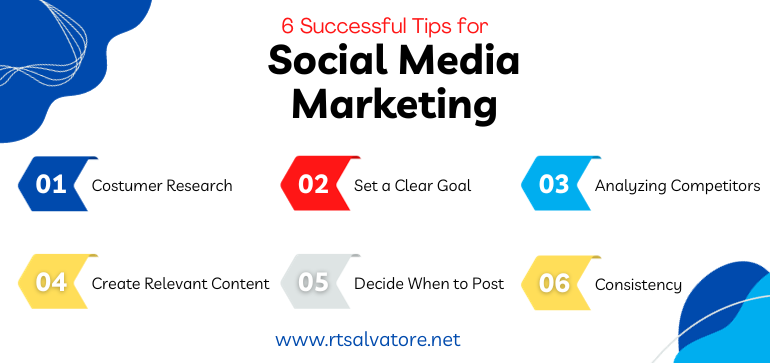
Creativity is often the only thing that matters in the fast-paced world of social media. The conversation is mostly about viral content, popular ideas, and eye-catching images. However, consistency is what really makes a digital brand successful, even if it isn’t as exciting.
In most businesses, consistency isn’t just a habit, it’s a strategic tool that helps grow in branding, digital marketing, and advertising in ways that can be measured.

 6 Reasons Why Consistency Beats Creativity

1. Consistency Builds Strong Brand Identity

Consistency reinforces brand recognition. When businesses maintain a uniform tone, visual style, and message, they become more memorable in the minds of consumers.

Through branding and graphic design, consistent content helps:

  • Strengthens Brand identity

Consistent colours, typography, logos, design styles and messaging create a clear brand personality. Over time, the audience starts to link certain visuals and modes of communication with the business. For instance, when a business maintains the same brand colours, logo placement and tone of communication across social media, websites and advertisements, it makes it easier for customers to instantly recognise the brand.

  • Improve Marketing Effectiveness

Consistent branding also makes digital marketing and advertising campaigns more effective. Consumers are more likely to remember and respond to marketing when they see the same message and visual identity across multiple platforms.

This creates a unified customer experience across social media, websites, ads, etc. It also helps businesses to build trust with their customers and increase their overall brand awareness.

 2. Algorithms Reward Active and Consistent Accounts

Social media platforms are designed in such a way that it prioritizes accounts that post regularly. Consistency shows activity and dependability, thus increasing visibility.

From a digital marketing point of view, this means:

  • More reach
  • Higher rates of engagement
  • More ways to find it

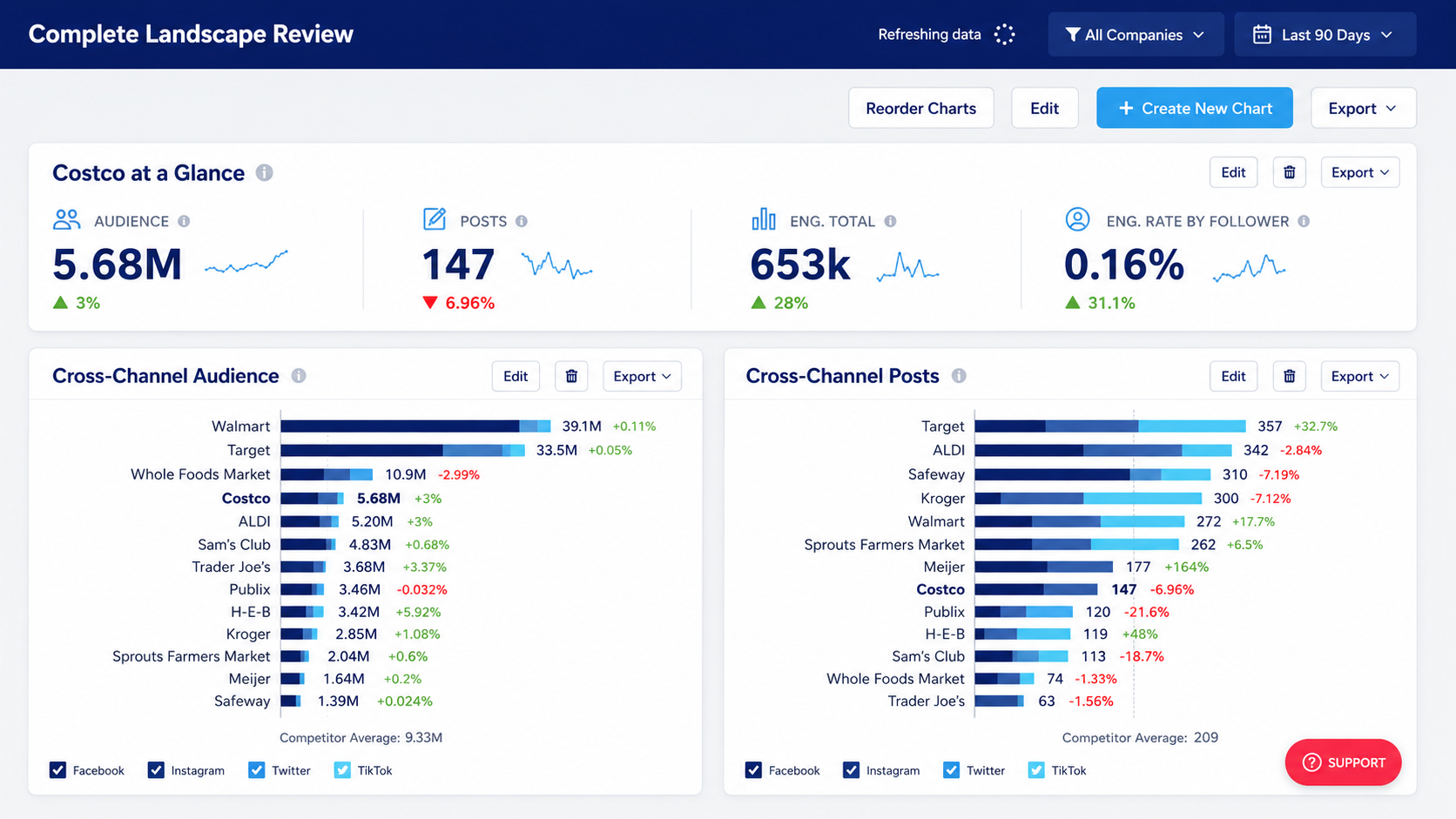
For example, social media platforms such as Instagram, TikTok and Facebook are designed to give priority to active accounts that post engaging content on a regular basis. When businesses go on a break for weeks, the reach and engagement tend to drop as the algorithm believes the audience is no longer interested. 
Landscape Review

3. Keeps Your Brand in Mind

In a crowded digital world, being seen is the most important thing thus consistent posting ensures that your brand remains relevant in the minds of consumers.

Through digital marketing and branding, regular exposure:

  • Increases chances of conversion

Consumers rarely make buying decisions after seeing a business only once. Most customers will interact with a brand several times before they decide to take action. Consistent posting increases the number of opportunities businesses have to educate, engage, and persuade potential customers.

The more audiences see a brand through valuable content and consistent messaging, the higher the chances of website visits increasing. product enquiries, engagement, and sales conversion.

This is why consistency is a huge factor for organic growth and long-term digital marketing success.

4. More Content Increases Growth Opportunities

Not every post will go viral, but posting regularly makes it more likely that one will.

In advertising and content strategy, volume is important because:

  • More content means more data.
  • More information means better optimisation.
  • Better optimisation leads to better results.

A brand that only posts once every two weeks has fewer chances to see how their audience is behaving than a business that consistently posts multiple times a week. Regular posting gives businesses the opportunity to experiment with new content formats, see what works best and adjust their marketing strategy over time.

 5. Improves Content Quality Over Time

Consistency creates room for improvement this is whereby the more a brand posts, the better it understands what works.

Thus with continuous effort:

  • Messaging becomes clearer
  • Design improves
  • Audience preferences become evident
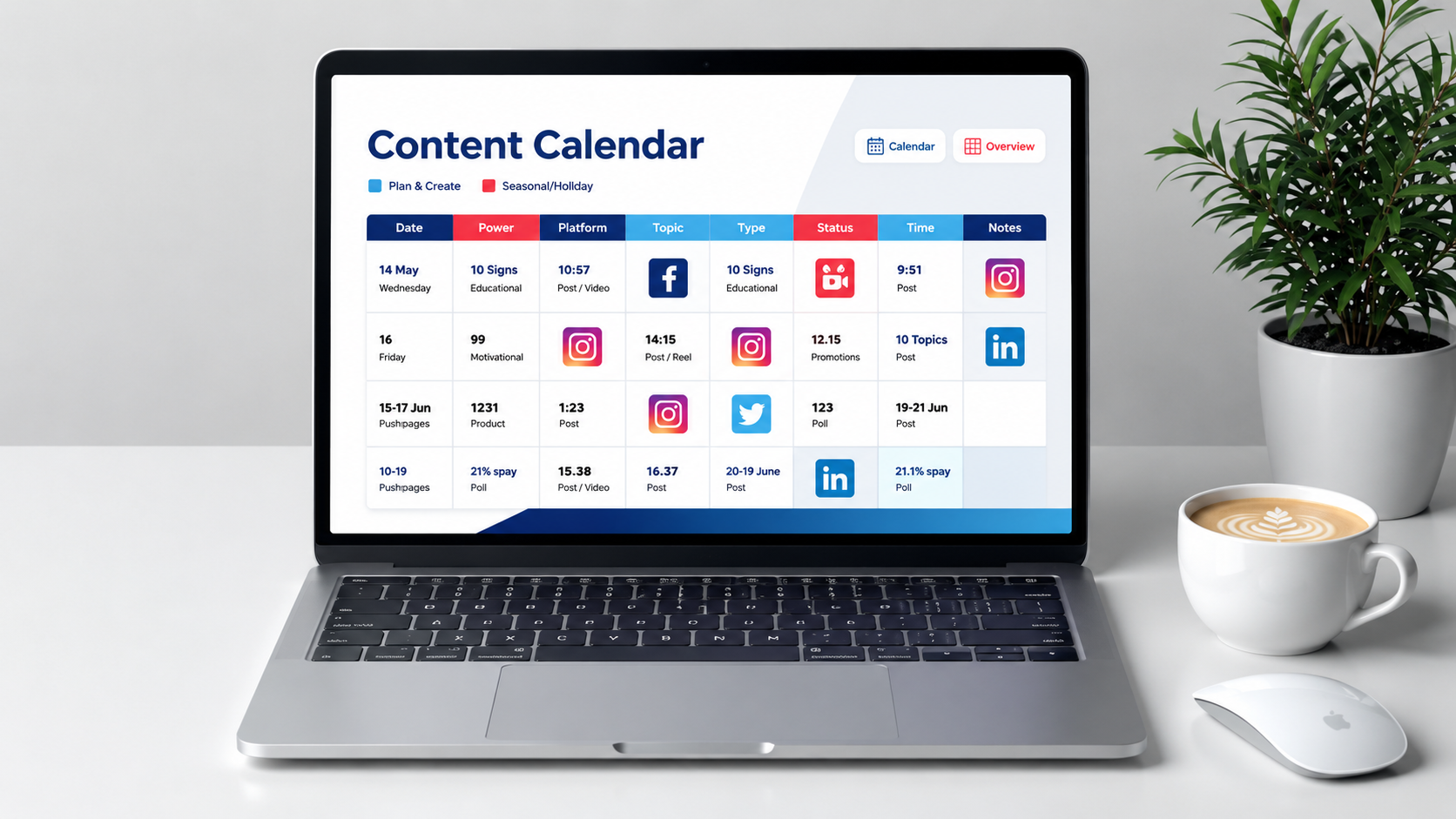
Content Calendar

Over time, a business learns what kinds of designs, captions, posting times and content formats get the most engagement. This allows brands to make improvements with data to improve their overall digital marketing strategy.

6. Consistency Supports Long-Term Business Growth

Consistency allows businesses to build structured marketing systems that continuously attract, engage and convert audiences over time. In digital marketing, growth rarely comes from a single viral post or one successful advertisement. Instead, long-term success is usually a result of doing the same things over and over again across multiple digital platforms. Thus when aligned with web design and conversion strategies, consistent traffic leads to:

  • More website visits

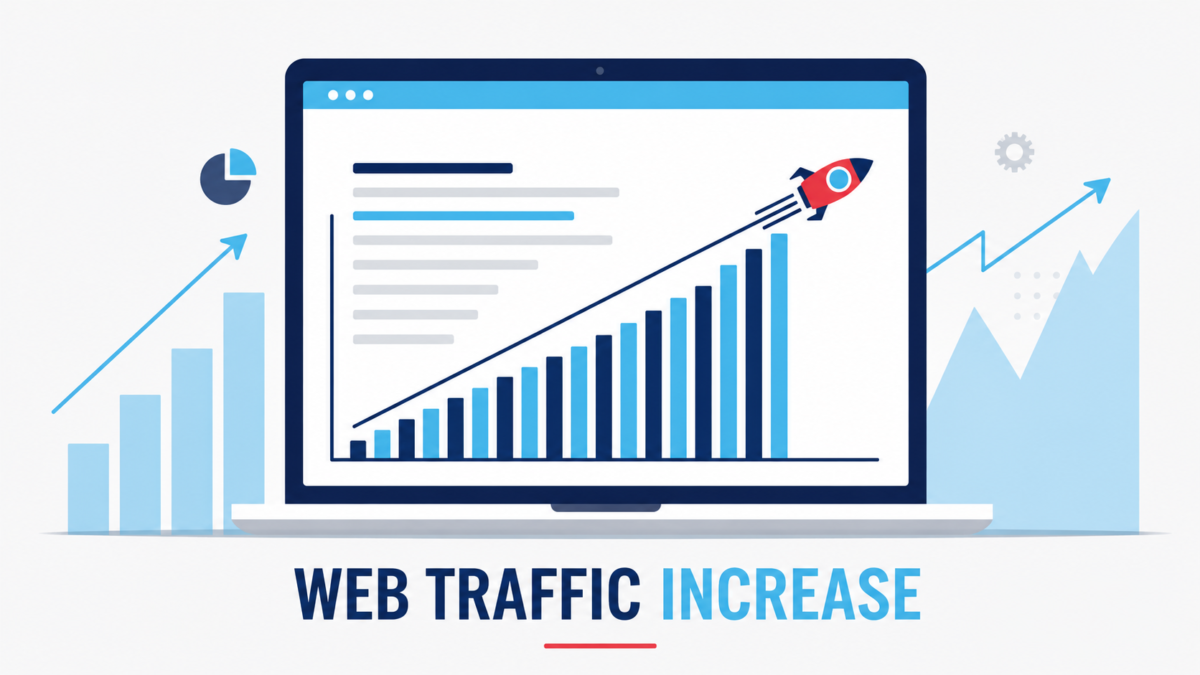
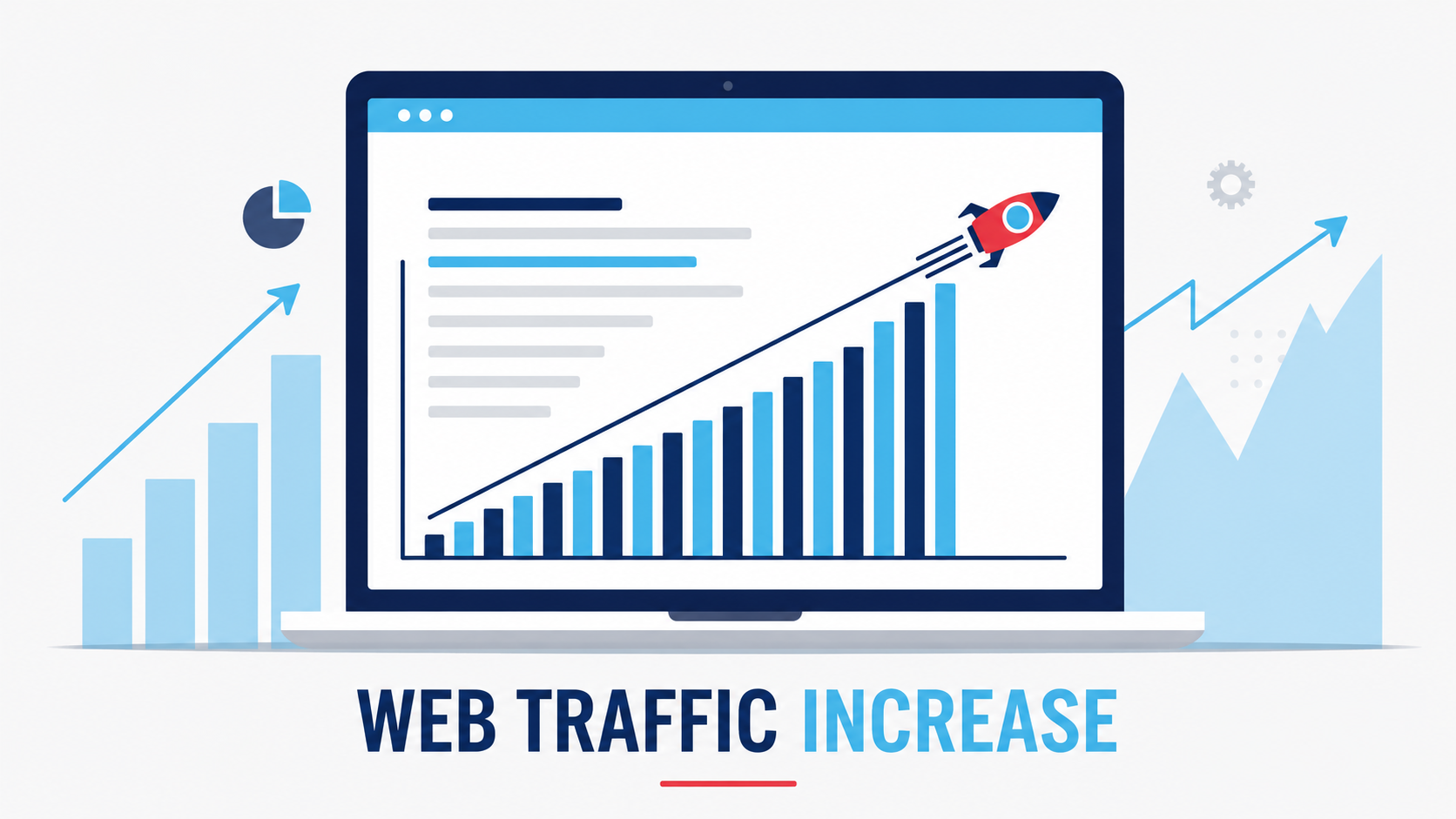
When businesses regularly publish content, update their websites, optimize SEO, and engage with audiences, they build a consistent flow of traffic and engagement. Consistency helps online visibility and keeps the brand active in search engine and social media algorithms.
Web Traffic

While creativity can capture attention, consistency sustains growth. Businesses that commit to showing up regularly, refining their message, and maintaining a cohesive brand presence are the ones that succeed in the end.

To get professional help and get the right services, you can email us at hello@rtsalvatore.net or call us through 0707079107
Paid and Organic Growth

The Best Digital Marketing Strategy: Paid Ads vs Organic Growth

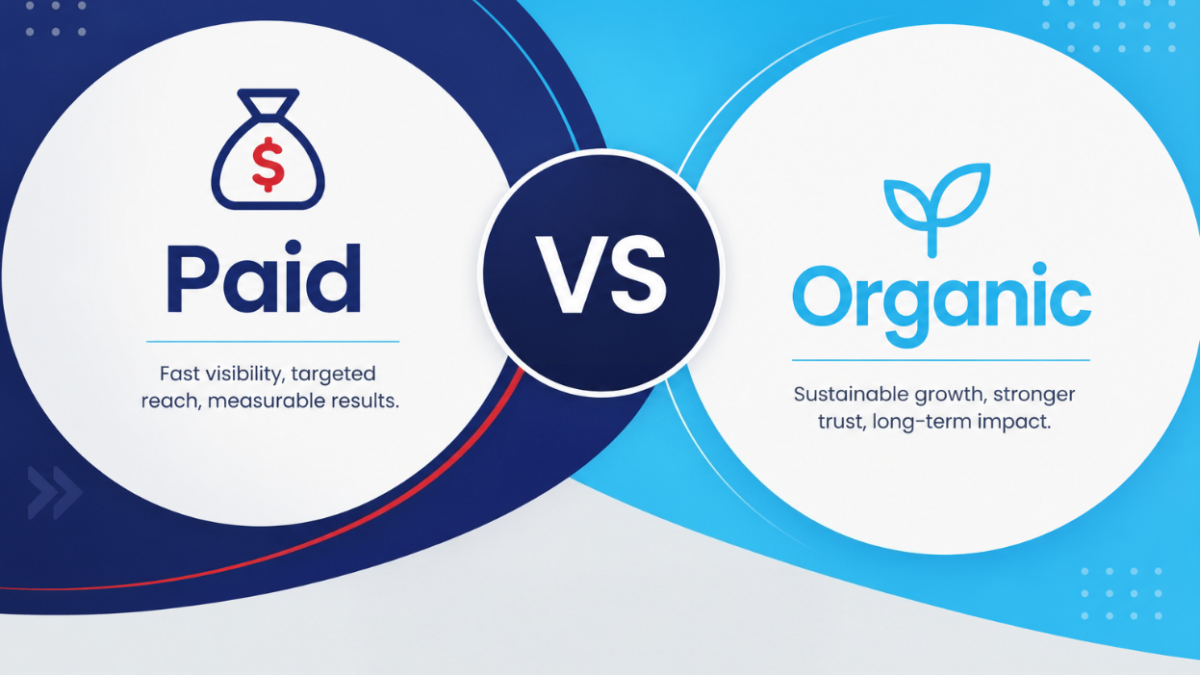
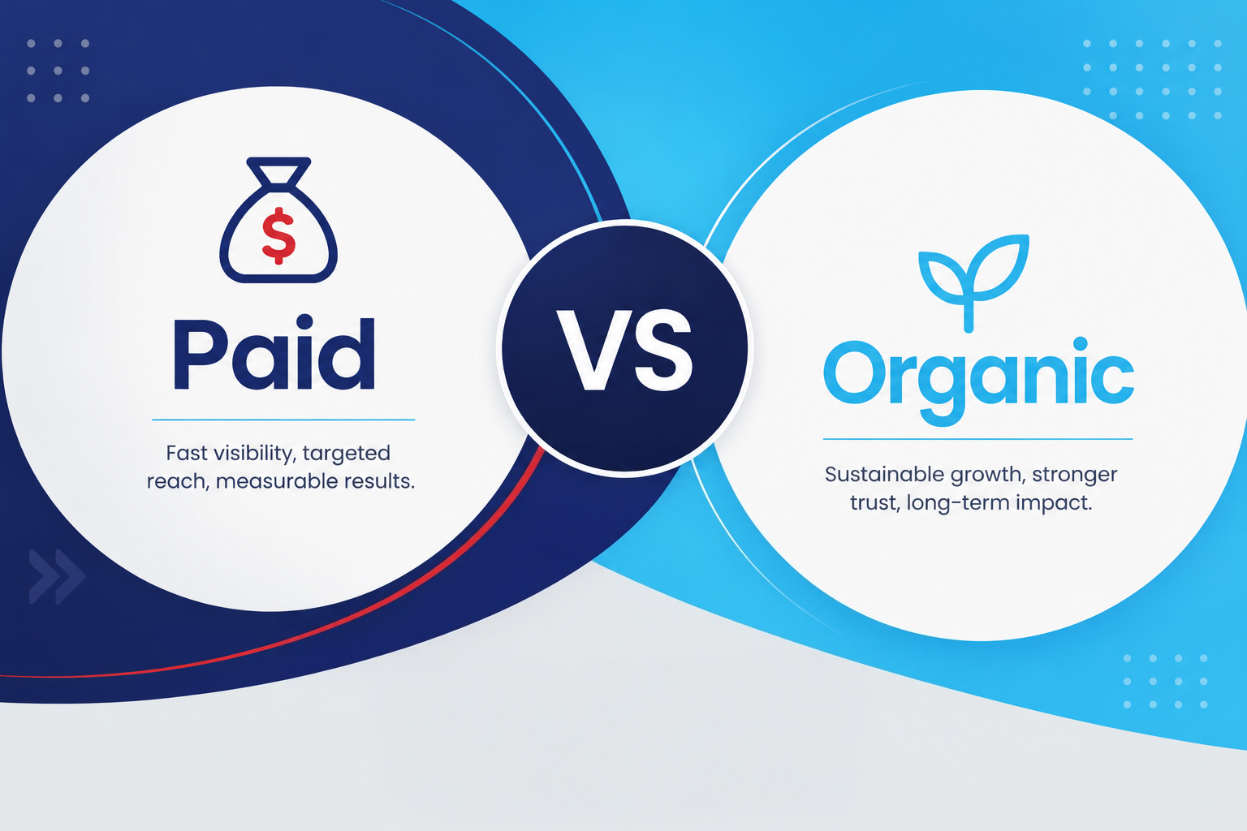
Businesses today have to make a tough choice all the time: should they spend money on ads to get quick results, or should they focus on organic growth to make sure their business lasts? Both strategies are important for modern marketing, but picking the right digital marketing strategy to start with can have a big effect on how a brand grows.

In business, the answer isn’t to pick one over the other; it’s to figure out how each one fits into a bigger digital strategy.

Digital Marketing Strategy

A digital marketing strategy is a structured plan that businesses use to promote their products or services online in order to achieve specific goals such as increasing brand awareness, generating leads, driving website traffic, or boosting sales. It entails strategically utilising digital platforms and tools to deliver the right message at the right time to the right audience. 

Random posting or occasional advertising isn’t the way to go. A digital marketing strategy will give you direction and consistency. It helps companies to understand:

  • Who their target audience is
  • Which platforms they should focus on
  • What kind of content they should produce
  • How to communicate their brand on the internet
  • How to measure performance and improve results over time 

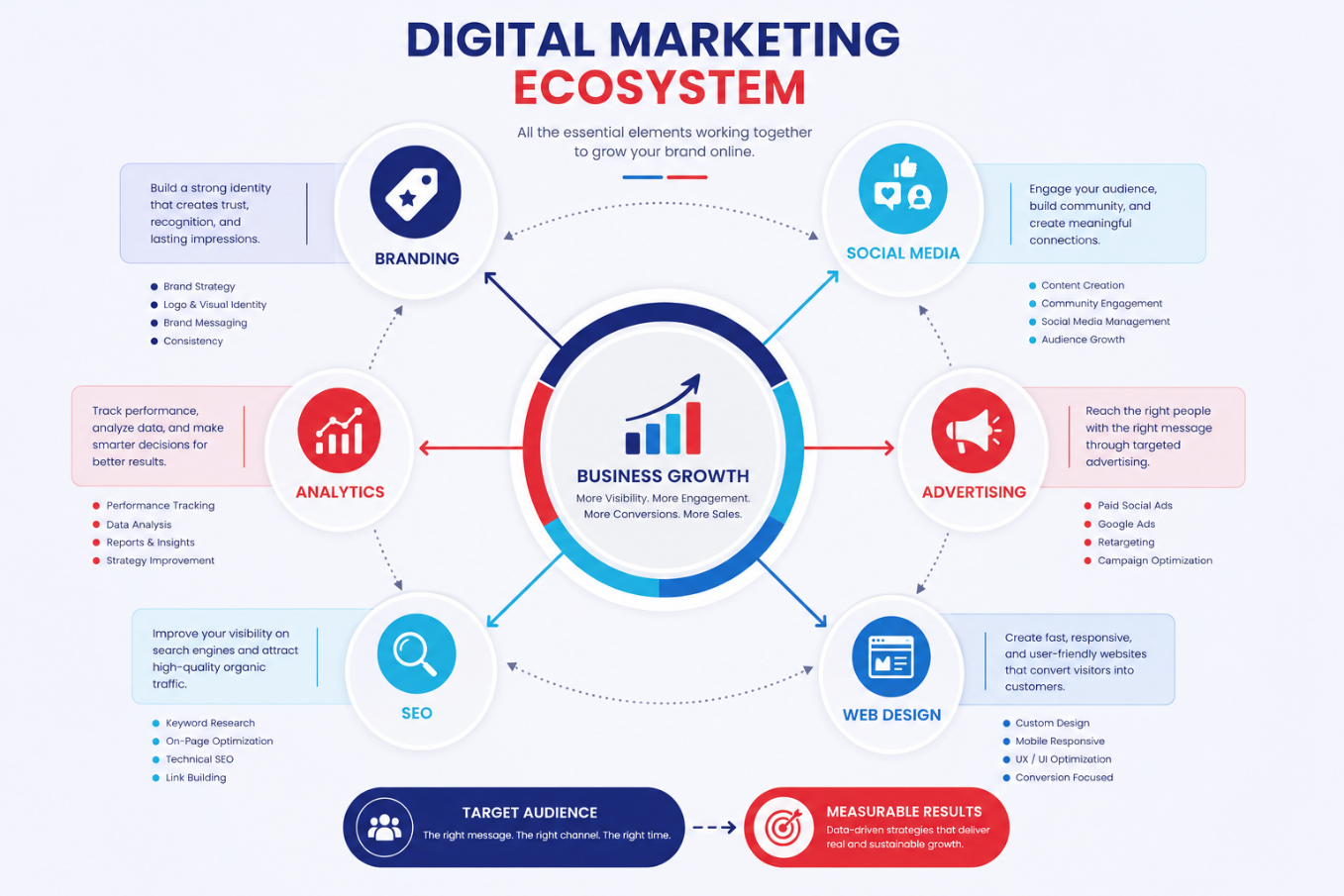
Digital marketing strategy in business is the link that binds branding, advertising, graphic design and web design into one system that moves business growth. 

Digital Marketing Ecosystem

Why Digital Marketing Strategy Matters 

In today’s digital world, having a website or social media accounts is not sufficient. A business needs a clear plan to be noticed, to stand out, and to convert audiences to customers. 

A good digital marketing strategy assists businesses:

  • Increase brand recognition 
  • Focus on niche audiences 
  • Boost engagement and trust
  • Create quality leads. 
  • Retain customers longer
  • Achieve measurable growth

Businesses that lack a strategy often create inconsistent content, run ineffective ads, or spend money on platforms that don’t work.

Challenges Businesses Face in the Modern Digital World

1. Too Much Content

It is hard for brands to stand out, with millions of posts uploaded every day. That’s why good branding, consistency and quality design are more important than ever.

2. Constant Algorithm Changes

Social media algorithms are constantly changing, which can affect visibility and engagement. This means brands are compelled to:

  • Regularly adapt strategies
  • Use another platform
  • Join organic and paid efforts

3. Increased Competition

Almost every business is online today. Therefore, a business without clear branding, professional design, and strategic marketing is at risk of becoming invisible.

4. Consumer Trust Issues

Modern consumers are more cautious due to scams, misinformation, and fake advertising.

This is why a professional web design, authentic branding, and consistent communication are essential for credibility.

Organic growth understanding

Organic growth is the basis of digital marketing. That means you post content regularly, brand yourself, and engage with people on all your platforms so that people organically follow you. Such practices includes:

  • Making content for social media
  • SEO, or search engine optimization
  • Telling stories about a brand
  • Making content for websites

Branding and digital marketing in organic growth helps businesses to:

  • Build trust with their audience
  • Establish authority in their niche
  • Create long-term relationships

However, organic growth takes time. Without strong graphic design and consistent messaging, content may fail to stand out, slowing progress.

Paid and Organic Growth in Digital Marketing Strategy

Understanding Paid Advertising

The advantage of paid advertisement is that it creates instant visibility/exposure to the target audience through services such as Google AdSense and social media advertising.

From an advertising and web design point of view, paid ads helps to:

  • Drives immediate traffic
  • Quick lead generation
  • Create brand awareness

However, paid ads rely heavily on the following:

  • Budgeting
  • Strong creative (design & copywriting)
  • Web Design Successful Landing Pages

Without proper branding and a well-designed website, paid traffic may not always lead to conversions.

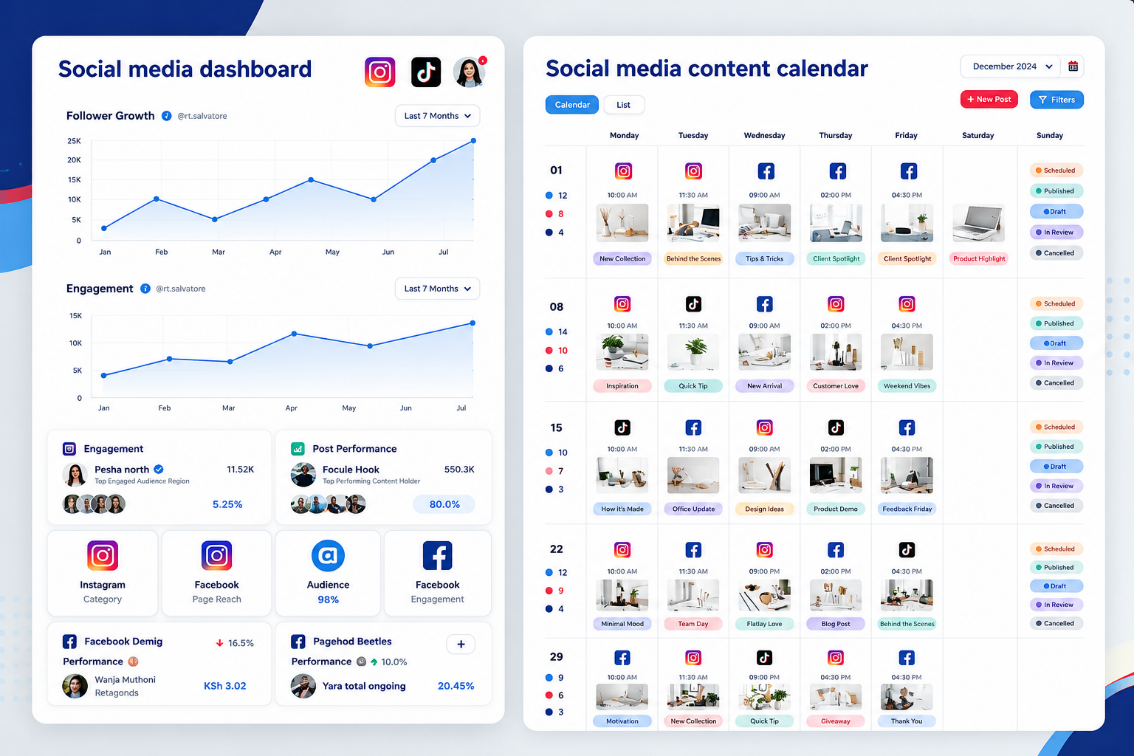
Social Media Content Calendar and Dashboard

Key Factors to Consider

Before deciding where to focus, businesses should consider the following:

  • Budget: You’ll need to continue paying for paid ads
  • Business Stage: New brands can benefit from building organic presence first.
  • Goals/  Objectives: Short term sales vs. long term brand growth
  • Branding: A good business with good branding will improve organic and paid performance.

A major factor in whether a company opts for paid advertising or organic growth is how much money they have to spend. While many companies believe that spending more money automatically guarantees better results, digital marketing performance often depends more on strategy, branding, content quality, and understanding the audience than on budget size alone.

For example, think of two fashion businesses launching online campaigns:

  • Company A invests KSh 70,000 into paid social media ads over one month.
  • Company B invests only KSh 10,000 but focuses heavily on organic growth strategies such as consistent posting, engaging reels, audience interaction, and strong branding.

Company A appears to have the advantage because of its larger advertising budget. However, results may tell a different story. Whereby company B could generate higher engagement rates, more conversions, more profile visits, and increased website traffic, despite spending less money, 

Why?

Because their audience already connects with the brand organically. Their content feels authentic, their branding is consistent, and their followers are actively engaged. When they finally boost a few posts using their smaller budget, the ads perform more effectively because a strong foundation already exists. 

Meanwhile, Company A may struggle despite the larger budget if their branding is weak, their website is poorly designed, their content lacks consistency, and their ads target the wrong audience.

In such cases, businesses end up paying for visibility without building genuine customer relationships.

So, What Should Come First?

For most businesses, the best approach is to start with organic growth.

Why?

Because:

  • It establishes a good brand foundation
  • It generates content that can be leveraged later on for further marketing efforts
  • It builds up your reputation without relying on ads

Once a solid presence is established, paid advertising can then be used to speed up results. 

The Power of Integration

A combination of the two approaches is actually the best solution.

  • Branding helps achieve consistency and awareness.  
  •  Graphic design makes the content visually appealing.
  • Digital marketing increases engagement.  
  •  Advertising accelerates the process. 
  •  A good web design will ensure conversions.
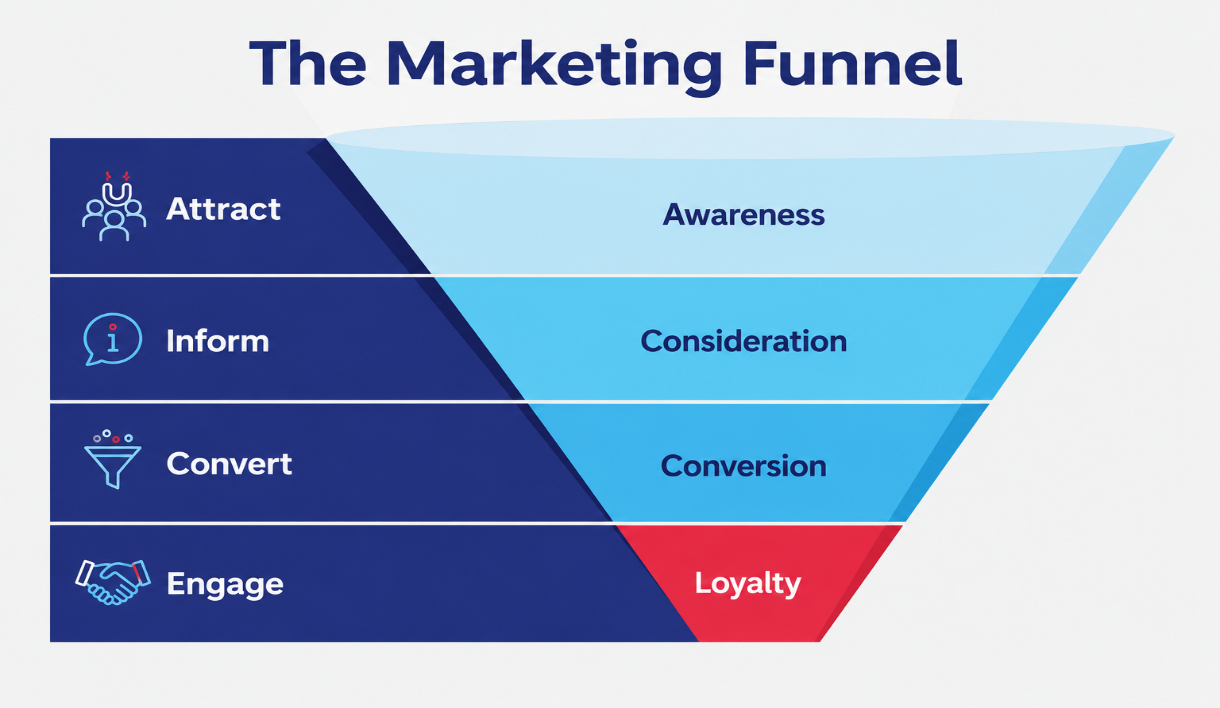
The Marketing Funnel

Organic growth and paid advertising are not competitors, they complement each other. Businesses that use them effectively and at the right time can thrive and grow sustainably in a highly competitive digital world. Having a clear digital marketing strategy is one of the most important steps toward growing a successful business.

To get professional help and get the right services, you can email us at hello@rtsalvatore.net or call us through 0707079107
website high quality content

The Invisible Salesperson on Your Website

In today’s world, your website should be more than your online presence. It should be your most powerful tool in sales. Successful businesses rely on the invisible salesperson to convert visitors into customers.

The “salesperson” is the user experience, the educational content, and the community trust that surrounds a product. Its operation is 24/7 and can handle thousands of visitors at once. Most visitors don’t stay long on a website if they don’t find what they are looking for immediately. An effective invisible salesperson should:

  • Capture the attention of the visitor instantly
  • Guide the user throughout the entire period they are in the website
  • Build trust with the user
  • Encourage the user to buy a product or sign up

5 Elements of an Invisible Salesperson

  1. Clear and Compelling Headlines

Your headline is the first thing visitors see on the website. This should instantly communicate value and make them want to stay on there longer. The goal is to sell without the customer feeling “sold”. The headline must bridge the gap between a user’s problem and your solution so seamlessly that it feels like a helpful suggestion rather than an advertisement. It should indicate: what you offer, who it is for, and why it matters. A great compelling headline should be able to stand alone as a useful piece of advice, even if the reader never buys the product.

2. High Quality Content

“High-quality content” isn’t just about good grammar or pretty graphics. It is content that functions as a service. If the salesperson is invisible, the content must build trust, answer objections and move the customer toward a decision. Your content shouldn’t end with a dead-end, but guide the user to the next stage of their journey. If your content helps people, they will trust you and this will convince them to buy from you.

3. Personalization

In a world where everyone is giving out their best offers, the person who says exactly what you need to hear is the one you listen to. Most websites use first party data, but in the invisible salesperson, it uses data that the client shares intentionally and proactively throughout the whole time they are on the website. When personalization is invisible, the user doesn’t feel like they are being tracked by an algorithm; they feel like the brand deeply understands their want. You aren’t “selling” them a service; you are providing the next logical step in a journey they already started. It feels like a helpful coincidence, happening at the right time.

4. Social Evidence

People trust something when they hear it from others, reducing doubt and helping them feel more confident in making a decision. When clients see and hear other people getting good services from your brand, they stop doubting and end up converting. This makes other people do the talking while you remain quiet. Social evidence can also be achieved by sharing reviews and ratings from your clients on your home page and product page. The more evidence you show that others trust you, the easier it becomes for new clients to trust you as well.

5. Contextual Call-To-Action (CTA’s)

A CTA is a prompt that show your audience exactly what to do next. When a CTA is contextual, it doesn’t interrupt the user’s experience it completes it. To remain invisible, the CTA should look like it belongs to the page and not a third-party ad. While most agencies focus on just the ‘look’ of their website, the real work happens in the strategy. Your CTA should be placed where a reader would naturally have a question, making it act like a bridge between digital and human world based on what the user is reading. Instead of a complex web form, use a CTA like: “Have a quick question about design costs? Send us a message If your services are as reliable as your social proof, the Invisible Salesperson becomes your brand’s greatest asset.

You don’t have to shout to be heard when you’re already standing exactly where the customer is looking. The best salesperson isn’t the one with the loudest voice, it’s the one who is so helpful, the customer forgets they are being sold to at all. Get the right professionals to design a website that sells your brand the right way.

Website design

Beyond a Logo: How Your Website Shapes Your Brand Identity

When you think of a “brand,” what comes to mind? Often, it’s a memorable logo, a catchy slogan, or a specific color palette. While these elements are crucial components of brand identity, they are just the tip of the iceberg. True brand identity runs much deeper, encompassing every interaction a customer has with your business. And in today’s digital age, no single element plays a more pivotal role in shaping this identity than your website.

Your website isn’t merely a digital billboard; it’s an immersive experience that communicates your values, personality, and professionalism long before a customer picks up the phone or walks through your door. It’s where your brand truly comes to life.

More Than Just Visuals: How Your Website Shapes Brand Identity

  1. The Embodiment of Your Brand Personality: Does your brand strive to be innovative and cutting-edge, or trustworthy and traditional? Fun and playful, or serious and authoritative? Your website design, from its layout and typography to its imagery and interactive elements, should directly reflect this personality. A cluttered, slow website, for instance, might inadvertently convey disorganization, regardless of your logo. This is how your website shapes brand identity.
  2. Voice and Tone in Action: While your brand guidelines define your written voice, your website is where that voice is put into practice. The language used in your headlines, product descriptions, blog posts, and calls to action all contribute to your brand’s perceived tone. Is it friendly and approachable, or concise and professional? Consistent use of your brand voice across your site reinforces your identity.
  3. User Experience (UX) as a Brand Value: A seamless, intuitive, and enjoyable user experience isn’t just good design; it’s a reflection of your brand’s commitment to its customers. If your website is easy to navigate, loads quickly, and offers valuable content, it communicates a brand that cares about its audience. Conversely, a frustrating experience can damage your website brand identity, suggesting a lack of attention to detail or customer care.
  4. Credibility and Trust Builder: In a crowded marketplace, a professional, well-designed website instantly boosts your credibility. It signals that you are legitimate, established, and serious about your business. Testimonials, case studies, and clear contact information, all prominently featured on your site, build trust and reinforce a reliable brand image.
  5. Storytelling Platform: Your website provides the perfect canvas to tell your brand’s unique story. From your “About Us” page detailing your origins and mission to blog posts sharing your expertise, every piece of content contributes to your narrative. This storytelling helps customers connect emotionally with your brand, fostering loyalty beyond just products or services. This is a core way your website shapes brand identity.
  6. Differentiation in a Crowded Market: In an increasingly digital world, a unique and memorable website can be a significant differentiator. It allows you to stand out from competitors who might have similar logos or service offerings. Your website’s distinct look, feel, and functionality can become a core part of what makes your brand unique.

Your logo is the symbol, but your website is the living, breathing manifestation of your brand. It’s where your values, personality, and promise converge into a cohesive digital experience. Invest in a website that truly embodies who you are, and watch as it powerfully shapes your brand identity in the minds of your audience.

Website Rebranding

Rebranding? Don’t Forget Your Website

Rebranding is an exciting journey. It’s an opportunity to revitalize your image, refine your message, and reconnect with your audience. You’ve likely spent countless hours perfecting your new logo, fine-tuning your brand guidelines, and perhaps even redesigning your product packaging. But amidst all this creative energy, there’s one critical element many businesses overlook or deprioritize: your website.

Your website isn’t just an online brochure; it’s the digital cornerstone of your brand. When you undergo a rebrand, your website must be at the forefront of your strategy. Failing to integrate your new brand identity seamlessly into your website can lead to confusion, dilute your efforts, and ultimately, undermine the entire rebranding initiative.

Why Your Website is Non-Negotiable in Rebranding

  1. The First Impression (and Lasting One): For many, your website is the very first interaction they’ll have with your newly rebranded company. If they encounter outdated visuals or messaging that doesn’t align with your new direction, it creates an immediate disconnect. A well-executed rebranding website ensures that first impression is impactful and consistent.
  2. Consistency Builds Trust: A strong brand is a consistent brand. Your new logo, colors, and tone need to be uniformly applied across all touchpoints. Your website serves as the central hub for this consistency. Inconsistent branding between your offline materials and your website erodes trust and makes your brand feel less professional.
  3. The Digital Storyteller: Your website is where you tell your brand’s updated story in depth. It’s where you articulate your new mission, vision, and values. Through updated copy, imagery, and user experience, your website rebranding strategy allows you to communicate why you rebranded and what it means for your customers.
  4. SEO Implications: A rebrand can significantly impact your search engine optimization (SEO) if not handled carefully on your website. Old branding elements, broken links, or a lack of proper redirects can cause your search rankings to plummet. A strategic website rebranding ensures that your SEO efforts are preserved and even enhanced with fresh, relevant content.
  5. User Experience (UX) Reinforcement: Beyond aesthetics, your rebrand might involve a shift in your target audience or core offerings. Your website’s user experience (UX) should reflect these changes. Is it easier for your new target demographic to navigate? Does it highlight your updated services or products effectively? A thoughtful website redesign as part of your rebrand can dramatically improve user satisfaction.

Key Steps for a Successful Website Rebranding

  • Audit Your Existing Site: Before anything else, understand what’s currently working and what isn’t. Identify all content, design elements, and functionalities that need to be updated.
  • Align with New Brand Guidelines: Ensure every pixel, every word, every button reflects your new brand identity – from color palettes and typography to imagery style and voice.
  • Update Content Strategy: Revisit all website copy to align with your new brand messaging. This includes “About Us,” service/product descriptions, blog posts, and calls to action.
  • Plan for SEO: Implement proper 301 redirects for any changed URLs, update meta descriptions and titles, and ensure your new content is optimized for relevant keywords.
  • Test Extensively: Before launch, test everything! Ensure all links work, forms submit correctly, and the site looks flawless across different devices and browsers.

Don’t let your brilliant rebrand fall flat due to an outdated website. Treat your website rebranding strategy as an integral, non-negotiable part of your overall brand refresh. It’s where your new identity truly comes to life for the digital world

Social-Media-Marketing

Top 9 Advertising Techniques for Businesses in Kenya

Every business relies heavily on advertising to be successful, and Kenya is no different. To stand out in the crowded market with its expanding economy and vibrant business scene, good business promotion is crucial. In this article, we’ll look at the top nine techniques to market your company in Kenya, which can help you reach your target market and increase brand recognition.

Outdoor Advertising

Passers-by can be drawn in by billboards, banners, and posters in high-traffic locations, resulting in brand identification. Select important areas that correspond to your target audience’s everyday activities. Incorporating your website and social network accounts into outdoor advertisements may help increase online interaction.

Social Media Marketing

Social media networks are important resources for reaching a large audience in the digital era. Kenyans often utilize social media sites including Facebook, Instagram, Twitter, and Tiktok. To establish a successful online presence, provide interesting and pertinent content, use targeted advertising, and engage with your audience. Additionally, working with social media influencers might help you build your following by utilizing their fan base.

Content Marketing

Your company may establish itself as an industry authority by producing useful and educational content. Create a blog on your website and post articles, videos, and infographics that speak to the interests and problems of your audience. You can bring in business and keep it by providing insights and answers, all while building trust.

Email Marketing

Email marketing is still a potent technique for communicating with customers directly. Create a list of interested consumers’ emails and use it to offer them tailored information, updates, and promotions on a regular basis. Make sure your emails are well-written, responsive to mobile devices, and include clear calls to action to promote engagement.

Local Advertising

Traditional advertising strategies in Kenya should not be underestimated. To reach your target population, use local newspapers, radio stations, and community activities. Sponsoring local events or collaborating with local companies may also assist you in gaining reputation and connecting with potential clients.

Mobile Advertising

Mobile advertising is essential in Kenya due to the extensive use of mobile phones. Invest in mobile-friendly commercials, SMS marketing campaigns, and mobile app ads to reach customers directly on their mobile devices. To engage with the Kenyan audience, make sure your commercials are brief, aesthetically attractive, and localized.

Collaboration with Influencers

Influencer marketing has grown in popularity in Kenya. Identify local influencers that share your brand’s values and work with them to promote your products or services. Their real recommendations might help you gain the trust of their fans and grow your reach.

Participating in Trade Shows & Exhibitions

Trade fairs and exhibits give a venue for showcasing your products or services to a captive audience. These events allow you to engage with potential clients in person, collect feedback, and create leads. To leave a lasting impression, create an enticing booth, conduct demonstrations, and provide promotional materials.

Community Engagement & CSR

Participate in Corporate Social Responsibility (CSR) programs to demonstrate your commitment to the local community. Participate in charity activities, finance local initiatives, or create community workshops. Such efforts not only contribute favorably but also help to establish a positive image for your company.

Advertising your business successfully in Kenya necessitates a comprehensive approach that incorporates both digital and conventional means. You may develop a strong online presence while keeping a local connection by integrating social media marketing, SEO, content production, and local advertising. Using mobile advertising, engaging with influencers, and attending events all help to expand your audience. Remember that community involvement and CSR activities not only improve your brand’s image but also help you connect with future consumers. With these top nine efficient advertising methods, you may position your company for success in Kenya’s dynamic market.

Having a challenge with the advertising & marketing techniques for your business? Book a consultation with us through sending an email to; hello@rtsalvatore.net or call/WhatsApp on +254 707 079107.

Branding Notebook

Top 8 Ways To Brand Your Business in Kenya

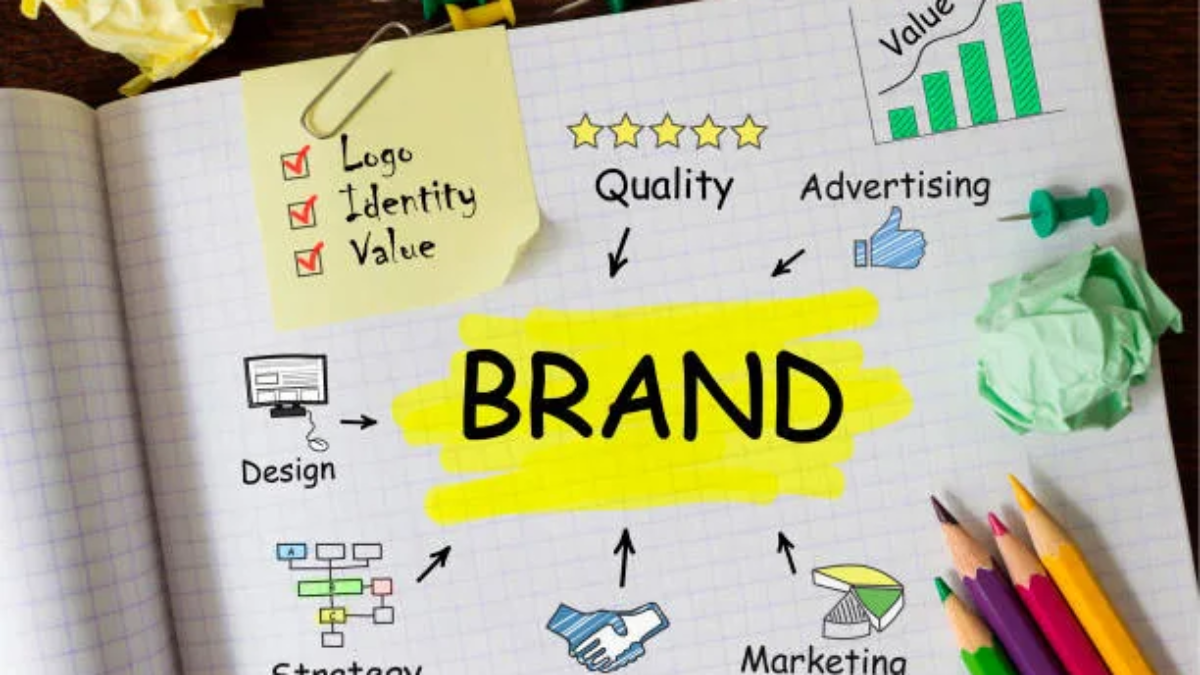
Branding is an important aspect of any business and can predict its failure or success. A strong brand can help you stand out in a crowded and competitive market. It also helps build trust with customers eventually driving in more sales. Designing a unique logo, coming up with catchy taglines and creating a consistent visual identity are all part of the branding process. Whether you are starting a new business or rebranding your already existing business, we will provide valuable information to help you succeed.

Developing a Unique Brand Identity

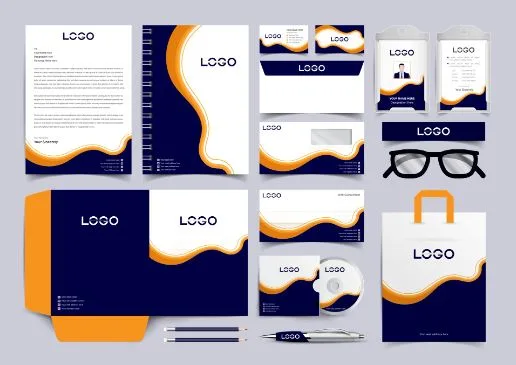
Your brand identity is the visual and emotional representation of your business. It includes visuals like your logo, colors, and messaging. Developing a unique brand identity helps customers recognize and remember your business. Your brand’s visual identity should always be consistent to differentiate it from your competition. Use similar logos, colors and patterns on every printed media and branded merchandise.

Establish a Strong Brand Voice

Your brand voice is the way you communicate with your customers. It should be consistent across all of your marketing materials and should reflect the values and personality of your business.

Leveraging on your Brand’s Social Media

Social media is a powerful tool for building brand awareness and connecting with customers. Use platforms like Facebook, Instagram, and Twitter to share content, interact with customers, and promote your products or services. Social media helps brands build more trust with their customers because constant posting engagement shows the brand is thriving and other people trust the brand.

Optimize Your Website

Your website is often the first impression customers have of your business. Make sure it is well-designed, easy to navigate, and optimized for search engines. Potential clients are attracted by the visuals and content in your website. The speed and general layout of your website is also an important factor as it can convert potential clients to purchasing clients.

Valuable Content

Content marketing is an effective way to educate customers about your products or services and establish your business as a thought leader in your industry. Create a blog, produce video content, and share infographics and other visuals. These generated content should be in line with the brands values, cultures and services offered.

Use Influencer Marketing

Collaborating with influencers in your industry can help you reach a wider audience and build credibility for your business. Influencers can help promote your products or services and provide valuable insights into your target market.

Attend Networking Events

Attend industry events, trade shows, expos and conferences to connect with potential customers and partners. Networking events provide opportunities to share your brand story, learn about your customers, and gain visibility for your business. The events can also enhance trust between the brand and its customers.

Offer Exceptional Customer Service

Your brand is not just about your products or services; it is also about the experience customers have with your business. The most important aspect of branding is to make sure you have a list of return and new customers. Offer exceptional customer service to ensure that customers have a positive experience and are likely to return.

To sum it up, building a successful brand for your business takes time and effort. It is important to be consistent with your branding message, use a variety of marketing tactics, create a strong logo, and use a combination of both traditional and digital methods to reach your target audience. By following these steps together with the other ones mentioned, your business will have a strong brand presence that will be recognized by your customers.

For inquiries about branding and advertising, connect with us through email at hello@rtsalvatore.net or call/WhatsApp on +254 707 079107.