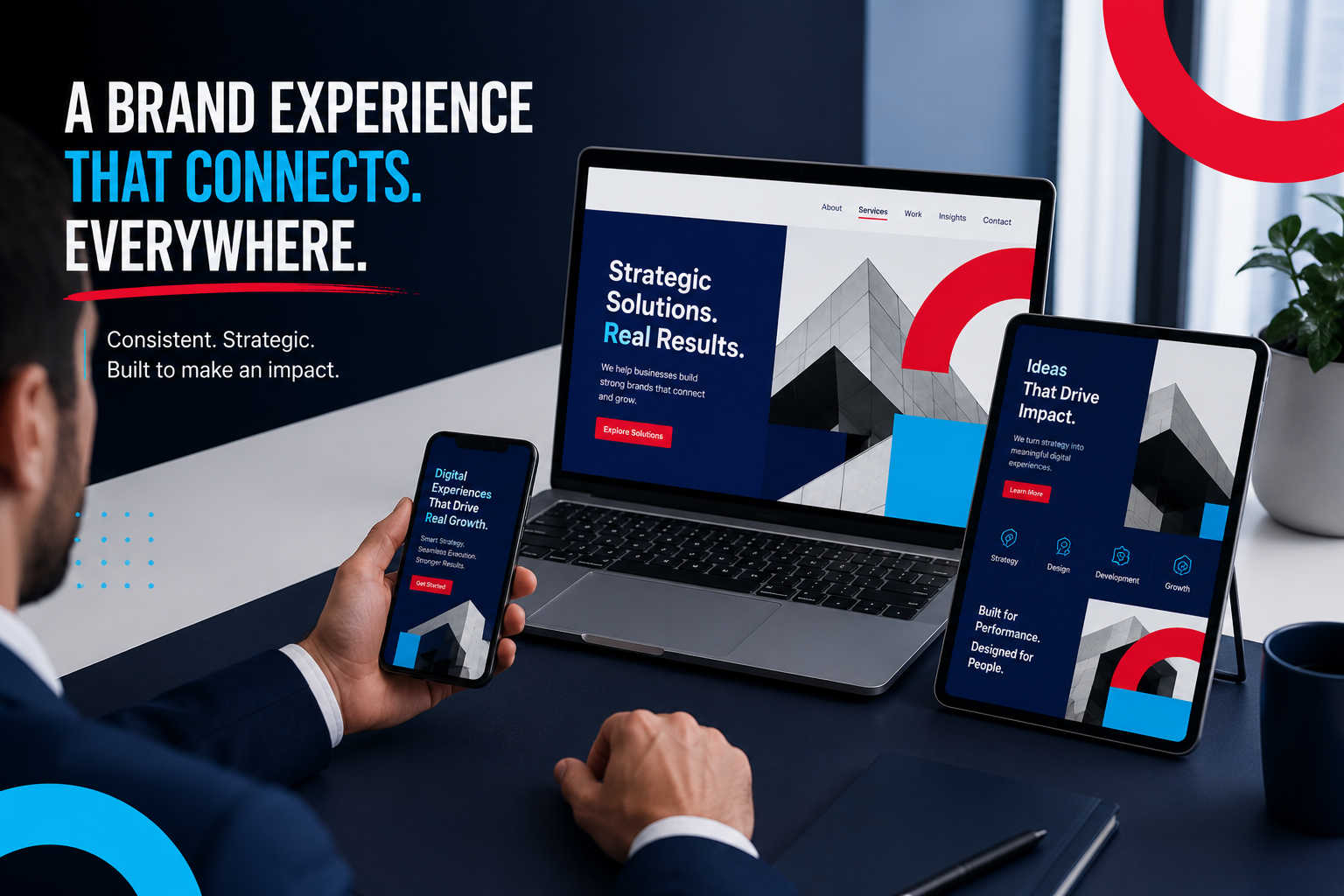
Every day, people leave their homes, walk to stage, board a bus and sit in traffic as they wait to reach their destinations. For marketers this daily routine is important because attention is moving through the target market. Hyper-local marketing is about reaching people based on where they live, work and spend their time. By positioning your brand visual message along specific commuter lines and local community hubs, your brand achieves immediate hyper-relevance, extended dwell time, and constant repetition.
Core Formats for High-Impact Transit & Hyper-Local Campaigns for your Brand
1. Bus Fleet Branding
Unlike a billboard that stays in one location, fleet branding travels through the exact neighborhoods where your clients lives or works at. Full exterior wraps and rear-window graphics turn public vehicles into moving billboards, reaching customers on the move across Kenya.
2.Geo-fenced Digital Mobile Loops
For this type of advertisement you are not advertising to everyone but to people who are already close to where your business is. If someone is walking around a specific location your brand can get to them through their phones as ad’s or posts. With the right campaign, the message can continue online after they leave the area.
3. In-Vehicle Digital Screens
Digital screens gives your brands a chance to communicate with passengers while they are already seated. The best part in this is, unlike outdoor billboards the message can change throughout the day, so different audience can see different content.
4.Neighborhood Gate & Mall Signage
By positioning your brand posters at residential gates and mall entrances you capture consumers during moments of low speed and high visual focus. These form of advertisement works best when the design is simple, easy to read and connects to the surrounding community.
Good hyper-local marketing doesn’t need to say much. Use bold colors, strong topography and few direct words so that people can understand immediately. Marketing is no longer just about reaching as many people as possible. It is about reaching the right people, in the right place, at the right time.
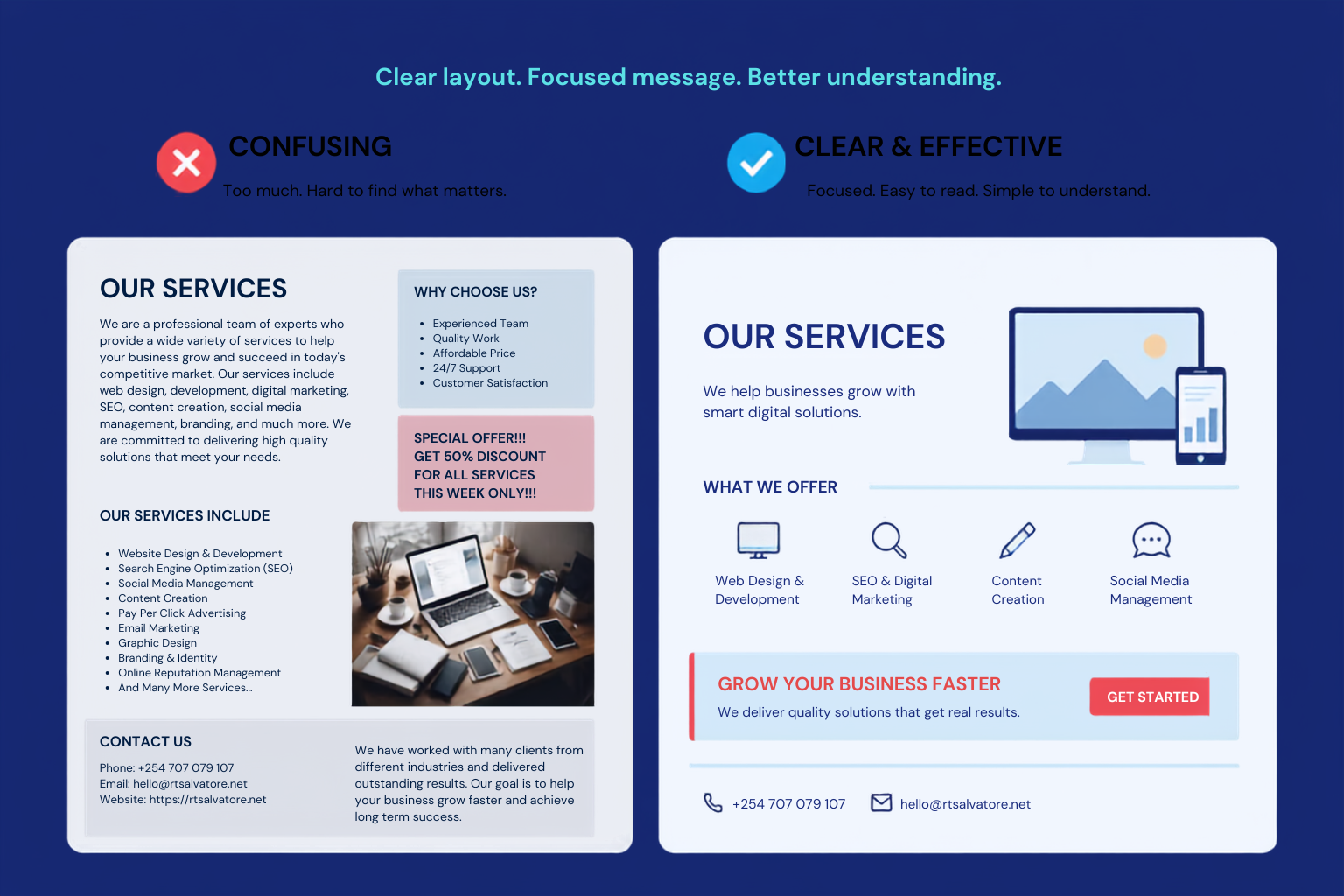
In today’s digital space, people are constantly surrounded by information. However, simply providing the information is not enough. If people struggle to read or understand what is being presented, even the most valuable content can lose it’s impact. Good design is not just about making content look attractive. Your content should be clear, simple and meaningful. This helps the reader find important information quickly, understand the message and stay engaged from beginning to the end. These are the reasons why how you present your information is just as important as what you say.
1. It Saves Your Reader’s Brain Energy
When a page is cluttered with too much text or inconsistent font and color, readers have a hard time figuring out where to look. This is called cognitive load. Good design tend to reduce this by presenting information in a clear and organized way. By making the information easy to read and understand, it allows people to focus and remember your message.
2. A good design reduces confusion
Readable content is created by combining several important designs that make information clear, organized and easy to follow. These elements improves the reading experience and helps the reader understand the message without unnecessary effort.
3. Search Engines and AI
Search engines and AI value good and clear design because it improves readability and website performance. A well designed page is easy to understand and present to users. Using short paragraphs, simple language and a clear format will make it easy for search engines to process the information and recommend it to people.
4. A good design builds trust and credibility
People judge the quality of information by the way it is presented. Before reading they’ll notice if the content looks organized and easy to read. This first impression will determine if they will trust the message. A clean and professional presentation shows credibility, encourages reader’s to stay long, recommend your page to others or return to your page.
5. It encourages Action
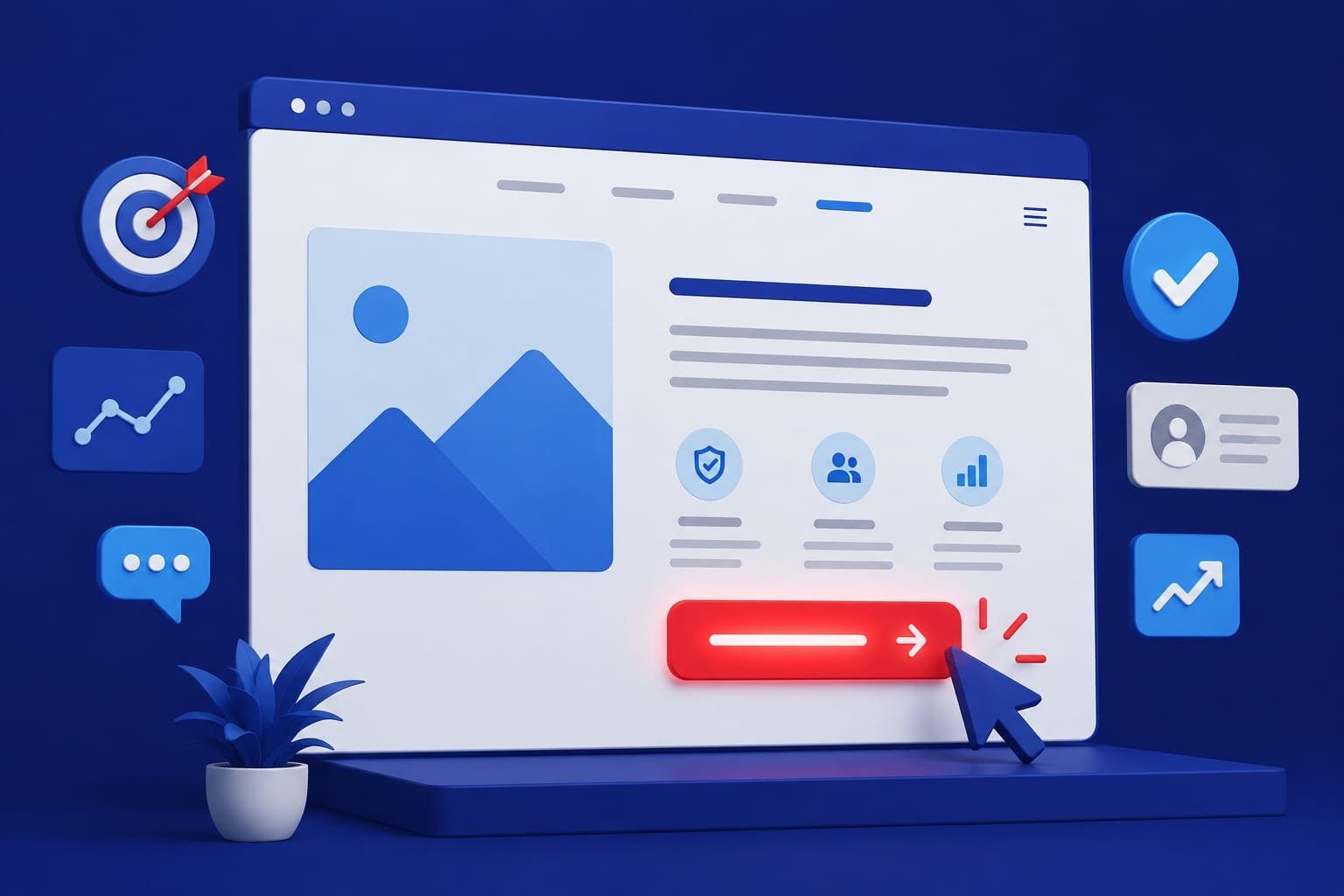
The way you present your information plays a major role in influencing your clients action. Effective communication and a good design is not only about delivering the information but also about motivating people to respond. By presenting clear information and making the next step obvious, good design turn interest into action and help achieve a positive outcome.
Good design is not just about making a web page look pretty. It is a powerful communication tool. The message you share is important, but the way you present it determines whether people will notice it, understand it and act on it. By combining valuable content with thoughtful design, you create a lasting impact and ensure your message reaches it’s full potential.
To get professional help and get the right services, you can email us at hello@rtsalvatore.net or call us through 0707079107
In today’s digital-first Kenyan economy, the best product doesn’t always win but the most visible one does. Whether you are running a spur in Nairobi or offering professional services to clients in Nakuru, your work deserves to be seen. However, if your target audience doesn’t know you exist, your growth stops before it even starts. In a fast-maturing business landscape, you should not rely entirely on word-of-mouth or casual referrals because they are no longer reliable. For your business to move from invisible to irreplaceable, you need to treat your marketing platforms as an ongoing, automated asset.
Why Marketing Your Work Matters
Many entrepreneurs believe that high-quality work speaks for itself. While quality builds long-term reputation, proactive marketing is what builds reach. Marketing is your bridge to your customers. When you do not actively market your business, you leave a gap. Consequently, you hand over valuable market share to competitors who might have a small product but wields an incomparably wider influence.
Ways to Market Your Business in Kenya
. Put Your Business on the Digital Map
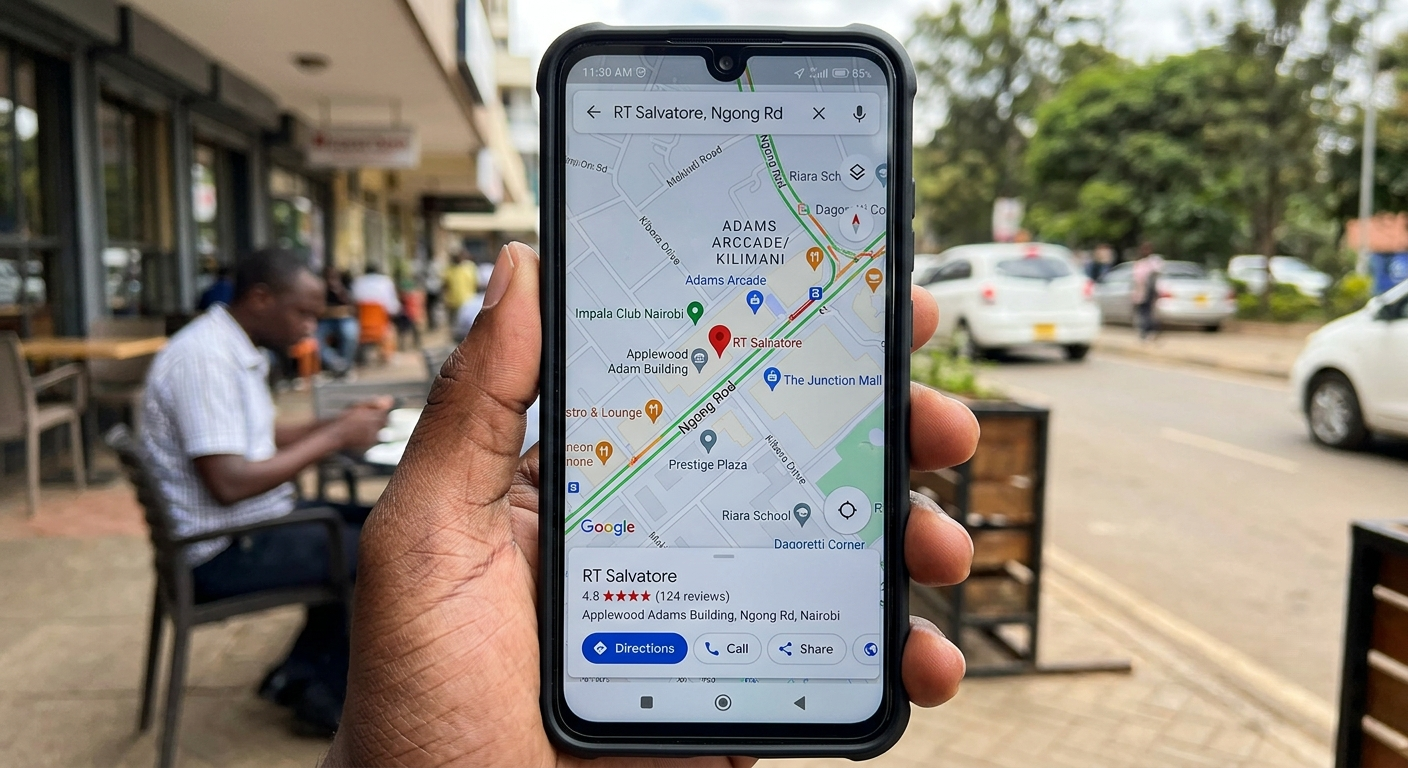
When someone wants a service urgently, they don’t look for broad terms like “best businesses in Nairobi.” Instead, they search for a “spur in Thika” or “electrician near TRM.” If you haven’t claimed your spot, you are completely invisible to a customer standing just two minutes away from your door. To capture and get more clients, optimize your Google Business Profile and tailor your website content around specific local landmarks and neighbourhoods. Consequently, this ensures you rank in the local map pack where immediate buying intent lives.
. Transition to Precision Performance Ads
For a business owner, tapping the “Boost Post” button on Facebook or Instagram is like paying someone to shout your shop’s name in a noisy and crowded room. Millions of people will hear it, but most of them will consider it as noise. On the other side, Precision Performance Ads are like having a smart assistant who watches the crowd, notices the exact number of people who listened and then goes to those people to hand them your business card. Utilizing Meta Pixels and Google Tags to track users who visited your platforms but didn’t convert is important. For instance, if a user looks at your specific service packages, retarget them on Facebook and Instagram with client testimonial videos over the next seven days to seal the deal.
. Use Automated Chats to Close Sales on WhatsApp
Think about how Kenyans buy things online. We rarely go to a website, add items to a shopping cart, and pay for it immediately. Instead, we look for a phone number and ask “How much is it?” or where their business is located. This shows that buyers want to talk before they pay. However, if a customer texts you at 9:00 PM and you don’t reply until the next day they’ll buy the same product/service from another business. WhatsApp messages have a high open rate in Kenya compared to emails. That is why it is important for a client to get immediate response. Because most of the web traffic comes from smartphones, setting up an official WhatsApp Business automated messages is important. This allows you to deploy automated messages to your clients and build a smooth, automated conversation loop.
Succeeding in Kenya’s modern digital space no longer requires a massive budget, it requires a smart, interconnected strategy. The days of simply hoping customers stumble upon your business by chance are gone. To build a resilient brand, you must actively market your business on the digital space. It is time to stop waiting to be discovered by chance and start building the intentional digital presence that makes your business impossible to ignore. To get professional help and get the right services, you can email us at hello@rtsalvatore.net or call us through 0707079107.
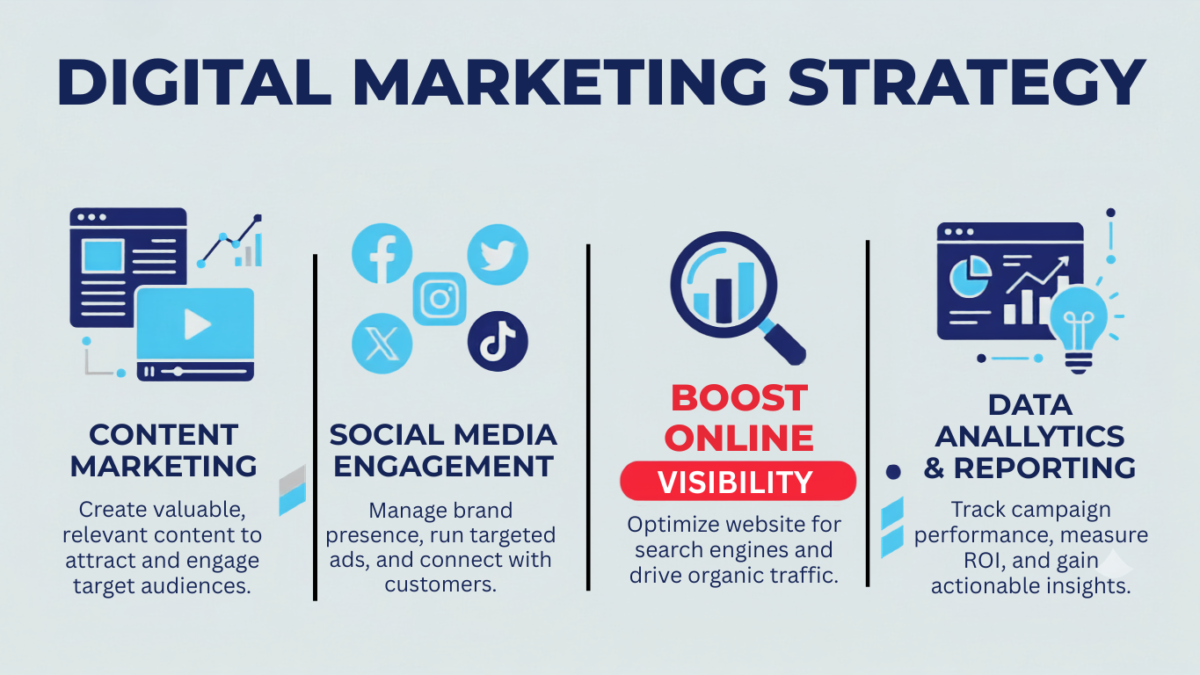
Content marketing is more than just publishing blog posts or sharing updates on social media. It’s a long-term investment that helps businesses build authority, improve search engine visibility, educate customers, and generate sustainable growth.
Unlike traditional advertising, which stops delivering results once the budget runs out, quality content continues to attract, inform, and convert potential customers long after it’s published.
If your goal is to build a trusted brand and create lasting relationships with your audience, content marketing should be a key part of your business strategy.
1. Content Marketing Improves Your SEO
Every blog you publish gives your website another opportunity to appear in search engine results. By creating valuable, keyword-focused content, your business can attract people actively searching for answers, products, or services related to your industry.
The more high-quality content you publish, the more opportunities you have to increase organic traffic and reach potential customers.
2. Blogs Position Your Business as an Industry Expert
Customers are more likely to trust businesses that consistently share useful knowledge. Educational blog articles demonstrate your expertise while helping potential clients solve problems before they even contact you. Over time, your blog becomes a valuable resource that builds credibility and encourages repeat visits.
3. Content Educates Potential Customers
Not every visitor is ready to buy immediately. Many people first need information that helps them understand: their problem, possible solutions, and why your business is the right choice. Educational content builds confidence and reduces uncertainty throughout the customer journey.
Authority doesn’t happen overnight, it develops through consistently providing accurate, relevant, and helpful information.
Customers naturally gravitate toward businesses they perceive as knowledgeable and reliable.
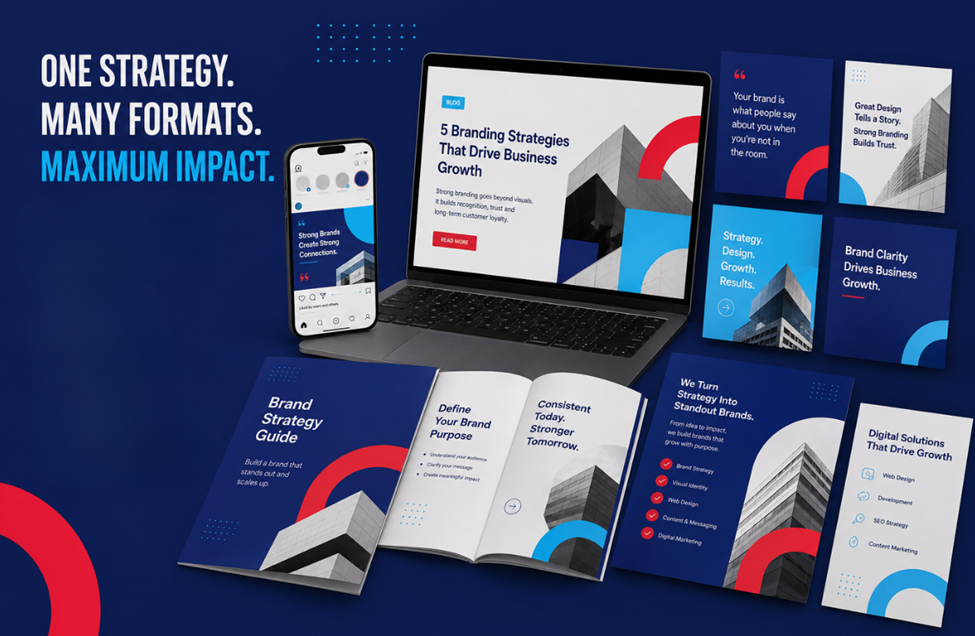
5. Content Supports Every Marketing Channel
One well-written blog can be repurposed into:
Social media posts
Carousel graphics
Reels
Newsletters
Website updates
Email campaigns
This allows businesses to maximize the value of every piece of content they create.
6. Content Marketing Generates Long-Term Results
Unlike paid advertisements that stop producing results when the campaign ends, quality content continues attracting visitors for months or even years.
A single blog article can: rank in search engines, answer customer questions, generate website traffic, and produce leads long after publication.
This makes content marketing one of the most sustainable digital marketing strategies available.
7. Content Builds Lasting Customer Relationships
Businesses that consistently provide helpful content remain visible and valuable to their audience. Whether customers are ready to buy today or six months from now, your content keeps your business top of mind.
Content marketing is not an expense, it’s a long-term investment in your business’s visibility, authority, and growth.
By creating valuable blogs, improving your SEO, educating your audience, and consistently sharing useful insights, your business can attract qualified leads and build stronger customer relationships over time.
In an increasingly competitive digital landscape, businesses that invest in content today are better positioned to succeed tomorrow. To get professional help and get the right services, you can email us at hello@rtsalvatore.net or call us through 0707079107.
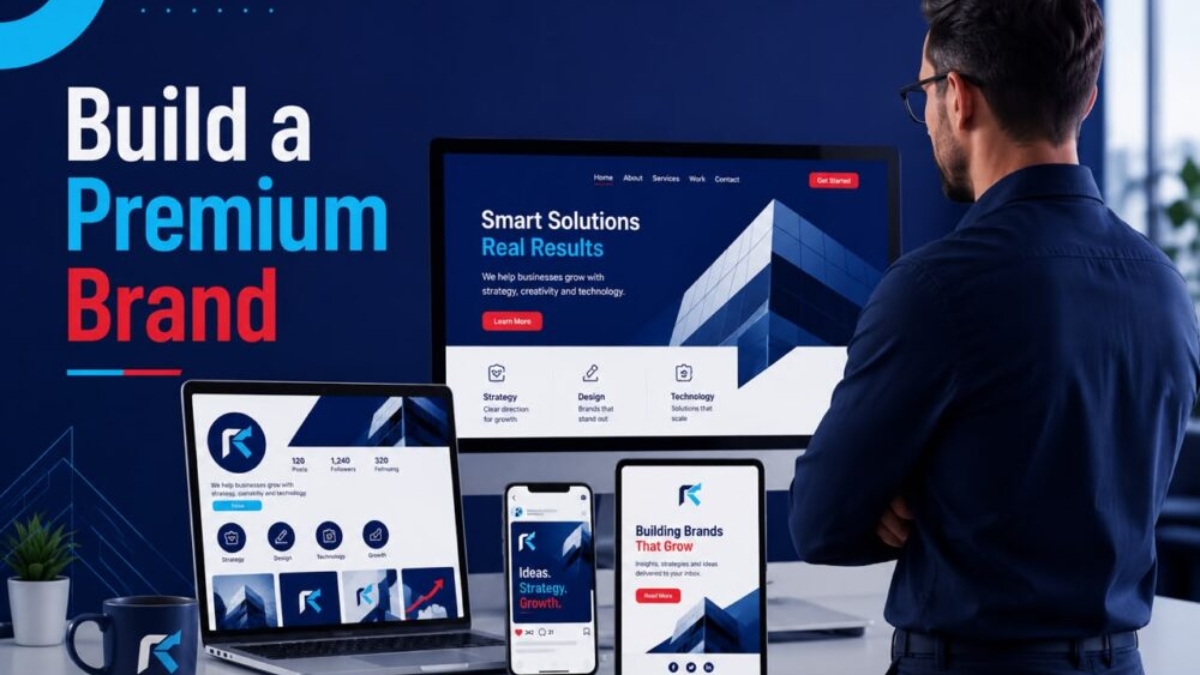
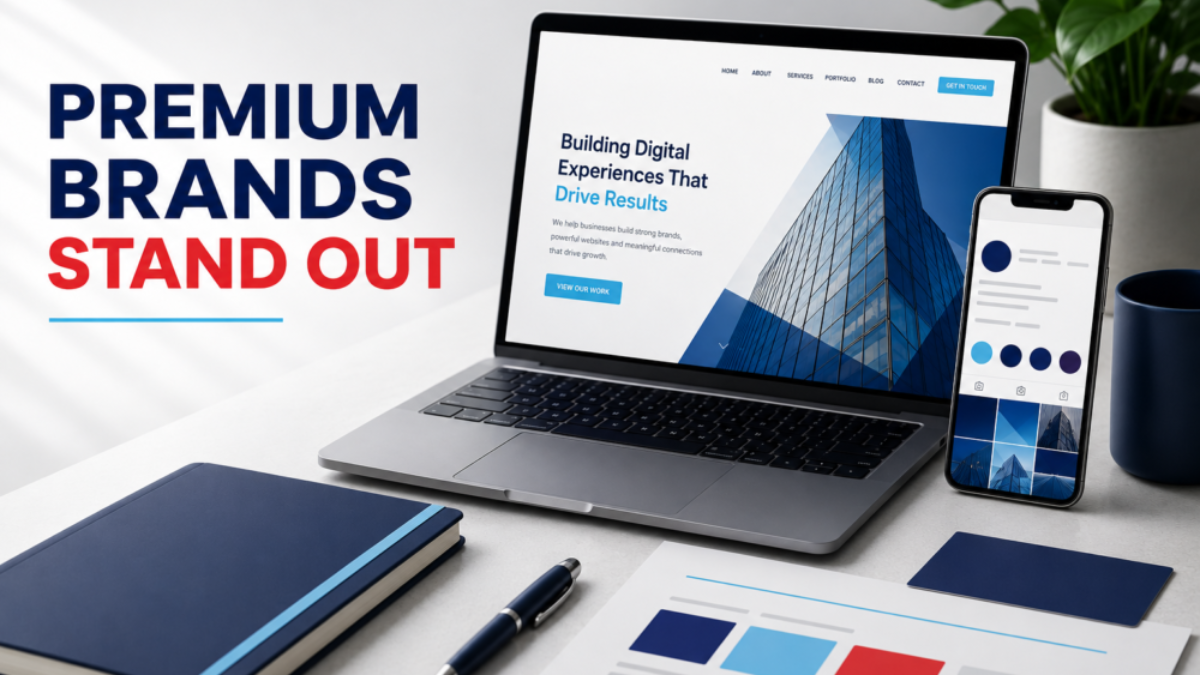
Many small business owners believe that premium branding is only for large corporations with massive marketing budgets. In reality, small businesses can build a premium brand by focusing on consistency, professionalism, and delivering a memorable customer experience.
A premium brand isn’t defined by the size of your business, it is defined by how customers perceive it. With the right branding strategy, positioning, and digital presence, SMEs can compete confidently and earn the trust of their target audience.
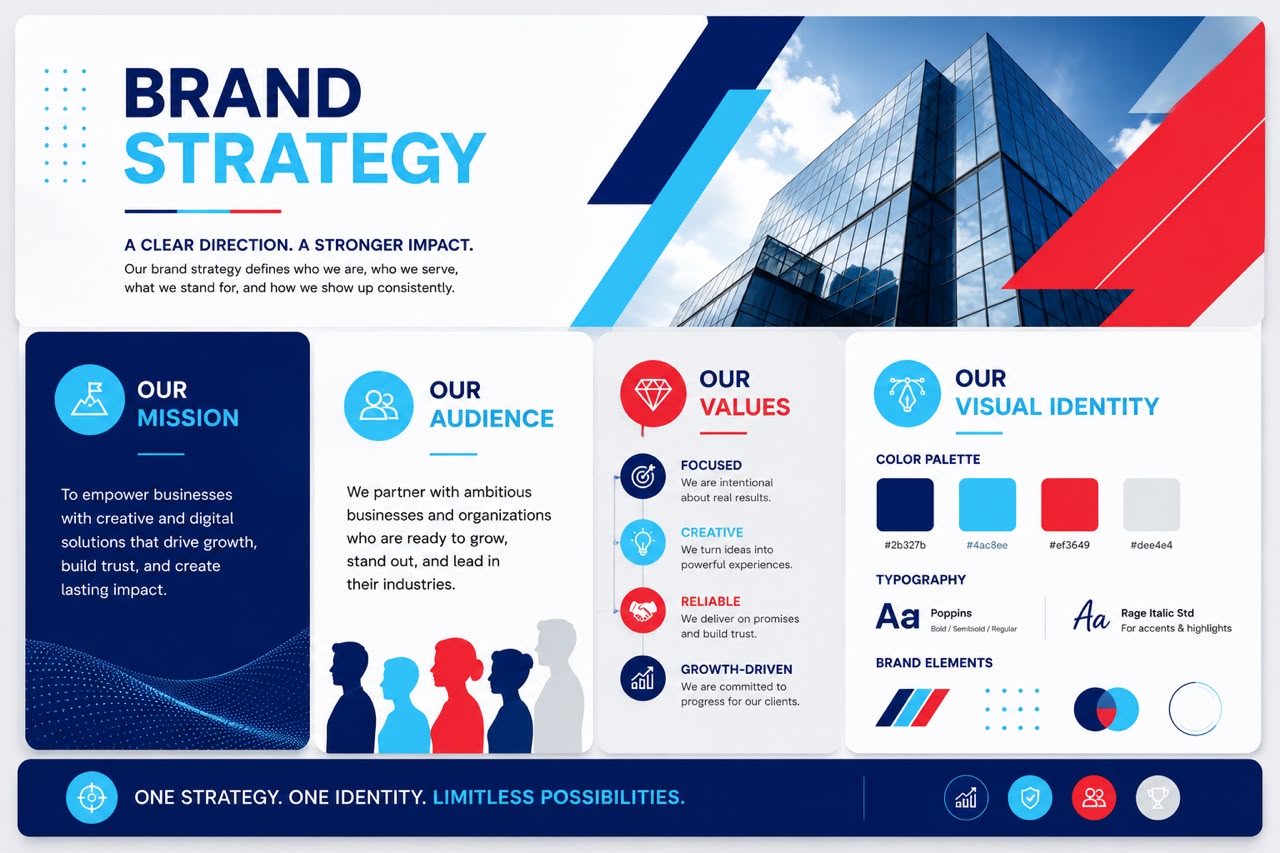
1. Define What Your Brand Stands For
Every premium brand has a clear identity.
Ask yourself:
What does your business represent?
What problems do you solve?
What makes you different from competitors?
When your purpose and values are clear, customers find it easier to connect with your business.
2. Invest in Professional Branding
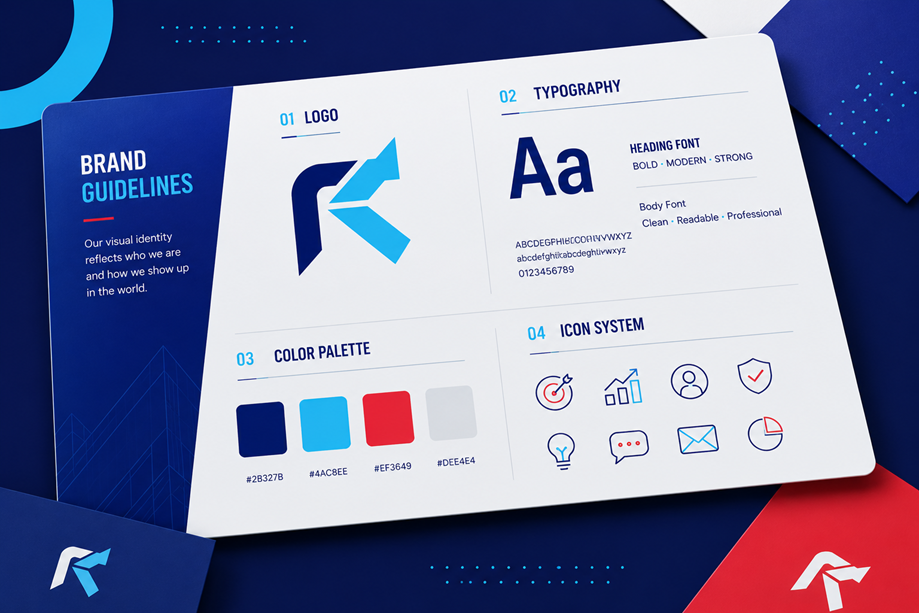
Your logo, typography, colour palette, and brand guidelines should work together to create a consistent identity.
Share: helpful blogs, informative videos, educational carousels, case studies, and practical tips.
High-quality content positions your business as an industry expert and builds credibility with potential customers.
6. Focus on Customer Experience
A premium brand is built through every interaction customers have with your business. From responding to enquiries promptly to delivering quality service, each touchpoint influences how customers perceive your brand.
Positive experiences encourage repeat business and referrals.
7. Position Your Business as an Expert
Customers trust businesses that demonstrate expertise.
Showcase: completed projects, testimonials, success stories, industry knowledge, and thought leadership. Authority helps small businesses compete with larger competitors.
Building a premium brand isn’t about having the biggest budget, it’s about creating consistent, professional experiences that inspire confidence. By investing in branding, maintaining a strong digital presence, delivering valuable content, and putting customers first, small businesses can strengthen their market position and achieve sustainable growth.
Whether you’re just starting out or looking to reposition your business, a premium brand can help you stand out, earn trust, and attract the right opportunities.
To get professional help and get the right services, you can email us at hello@rtsalvatore.net or call us through 0707079107
Brand recognition is the ability of customers to identify and remember a business through its visual identity, messaging, and overall experience. Every day, consumers are exposed to hundreds of brands across websites, social media, advertisements, emails, and product packaging. Yet, only a handful leave a lasting impression.
But why do some brands stay in people’s minds while others are quickly forgotten? The answer lies in psychology. Understanding how people perceive, process, and remember brands can help businesses build stronger connections, increase trust, and stand out in competitive markets.
1. First Impressions Shape Brand Memory
Psychologists suggest that first impressions form within seconds. When customers encounter a brand for the first time, they begin evaluating:
Logo
Colors
Typography
Website design
Overall professionalism
A positive first impression increases the likelihood that customers will remember the brand in the future.
2. Consistency Helps the Brain Recognize Brands
The human brain loves patterns. When customers repeatedly see the same colours, logo, typography and messaging, their brains process the brand more quickly and store it in long-term memory.
The world’s strongest brands tend to have simple logos, clean layouts, focused messaging and uncluttered websites.
Simple visual systems reduce cognitive overload and make brands easier to remember.
5. Repetition Builds Familiarity
Brand recognition doesn’t happen overnight. Every interaction reinforces memory.
Whether customers encounter your website, social media content, advertisements and presentations, each consistent interaction strengthens familiarity.
This is why successful businesses invest in long-term branding instead of constantly changing their visual identity.
6. Trust and Recognition Go Hand in Hand
Customers naturally trust brands they recognise. Familiarity reduces uncertainty and increases confidence.
Businesses with strong brand recognition often experience the following:
Increased customer confidence
Higher engagement
Stronger loyalty
Improved conversions
Recognition is often the first step toward trust.
Brand recognition is rooted in psychology. Through consistency, simplicity, emotional connection, and memorable experiences, businesses can create brands that customers recognise and trust.
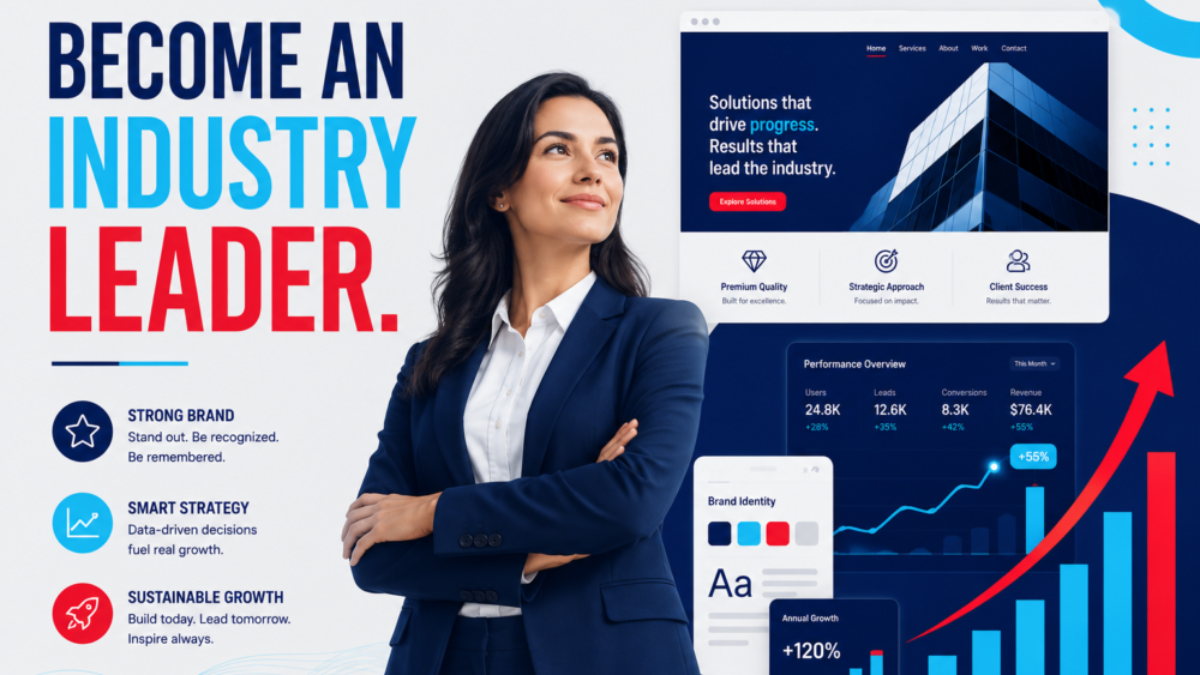
Customers naturally gravitate toward businesses they perceive as experts. Whether you’re a startup or an established company, positioning your business as an industry leader can help you attract better opportunities, build trust, and stand out from competitors.
Industry leadership isn’t reserved for the biggest companies. It comes from consistently demonstrating expertise, delivering value, and creating a professional brand experience that customers remember.
Here are several practical ways to position your business as an industry leader.
1. Build a Strong and Consistent Brand
Your brand is often the first impression customers have of your business. Consistent branding through your visuals, messaging, and customer interactions communicates professionalism and reliability.
Businesses that appear polished and intentional are more likely to be perceived as leaders.
2. Share Valuable Knowledge
Industry leaders educate their audience. Publish, blogs, guides, case studies, social media insights, and helpful resources.
Providing value positions your business as a trusted source of expertise rather than just another service provider.
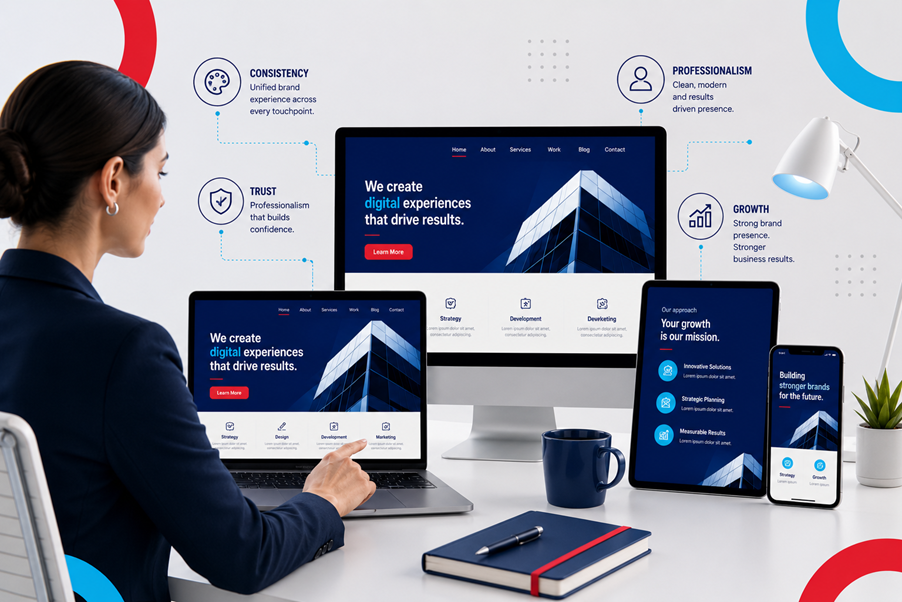
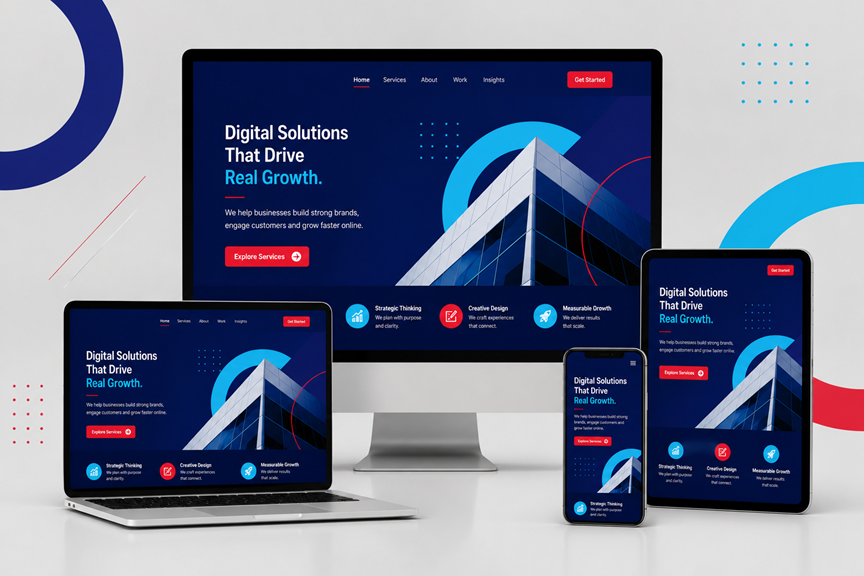
3. Invest in a Professional Online Presence
A modern website and polished digital presence strengthen credibility.
Your website should be: fast, mobile-friendly, easy to navigate, and aligned with your brand identity.
Markets change, technologies evolve, and customer expectations shift. The businesses that remain industry leaders are those that continue learning, adapting, and improving.
Innovation and continuous improvement help maintain relevance and authority.
Positioning your business as an industry leader doesn’t happen overnight. It requires consistency, expertise, professionalism, and a commitment to delivering value. Businesses that invest in these areas are more likely to earn trust, attract high-quality customers, and create a lasting competitive advantage.
Leadership isn’t about being the loudest voice in the room. It’s about becoming the business people naturally trust and remember.
To get professional help and get the right services, you can email us at hello@rtsalvatore.net or call us through 0707079107.
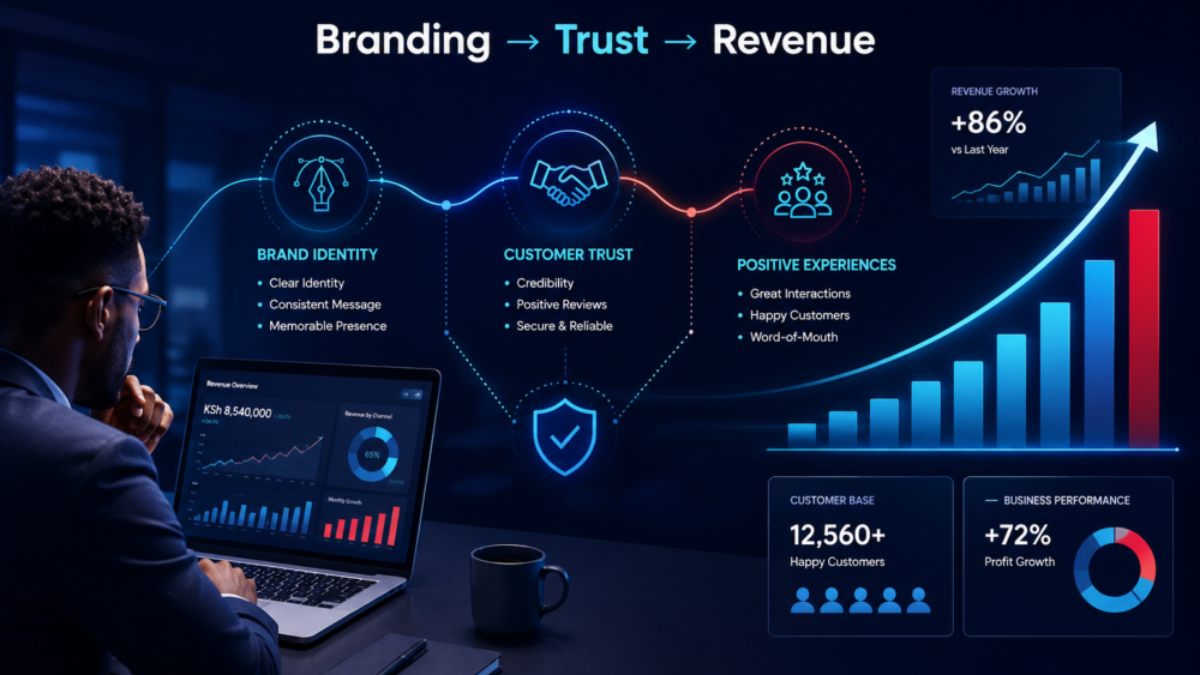
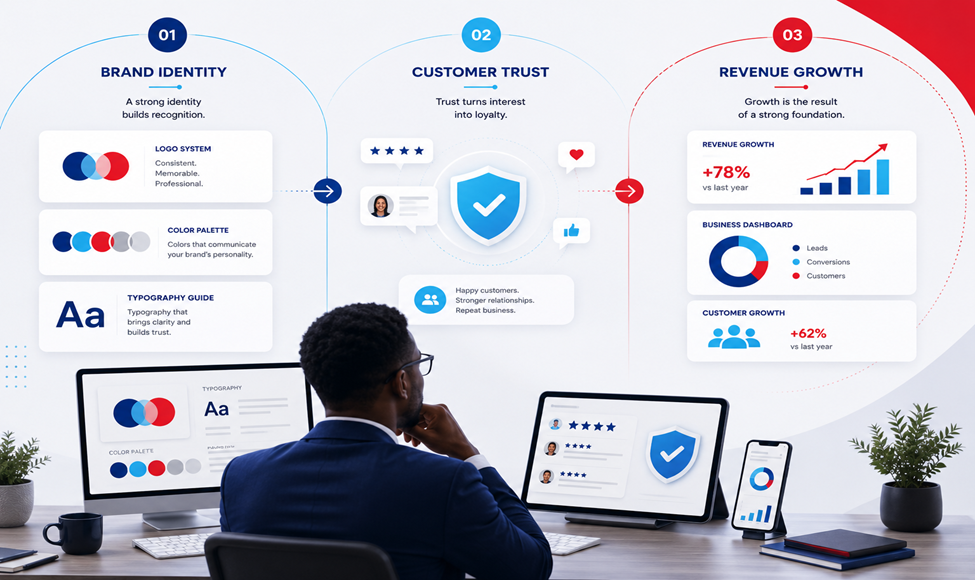
Branding influences how customers perceive your business, whether they trust you, and ultimately, whether they choose to spend money with you. The relationship between branding, trust, and revenue is stronger than many business owners realise.
Businesses that invest in building a credible and consistent brand often enjoy stronger customer relationships, increased loyalty, and improved financial performance.
1. Branding Creates First Impressions
Before customers speak to your team, visit your office, or make a purchase, they interact with your brand.
They judge:
Your website
Your social media presence
Your marketing materials
Your visual identity
Your messaging
These first impressions shape whether your business appears professional, reliable, and worth considering. Strong branding helps customers feel confident from the very beginning.
2. Trust Reduces Buying Hesitation
Customers naturally seek businesses they can trust. When your branding is consistent and professional, it signals:
Customers begin thinking, “This company looks like they know what they’re doing.”
The less doubt customers have, the easier it becomes for them to make purchasing decisions.
3. Strong Brands Command Higher Value
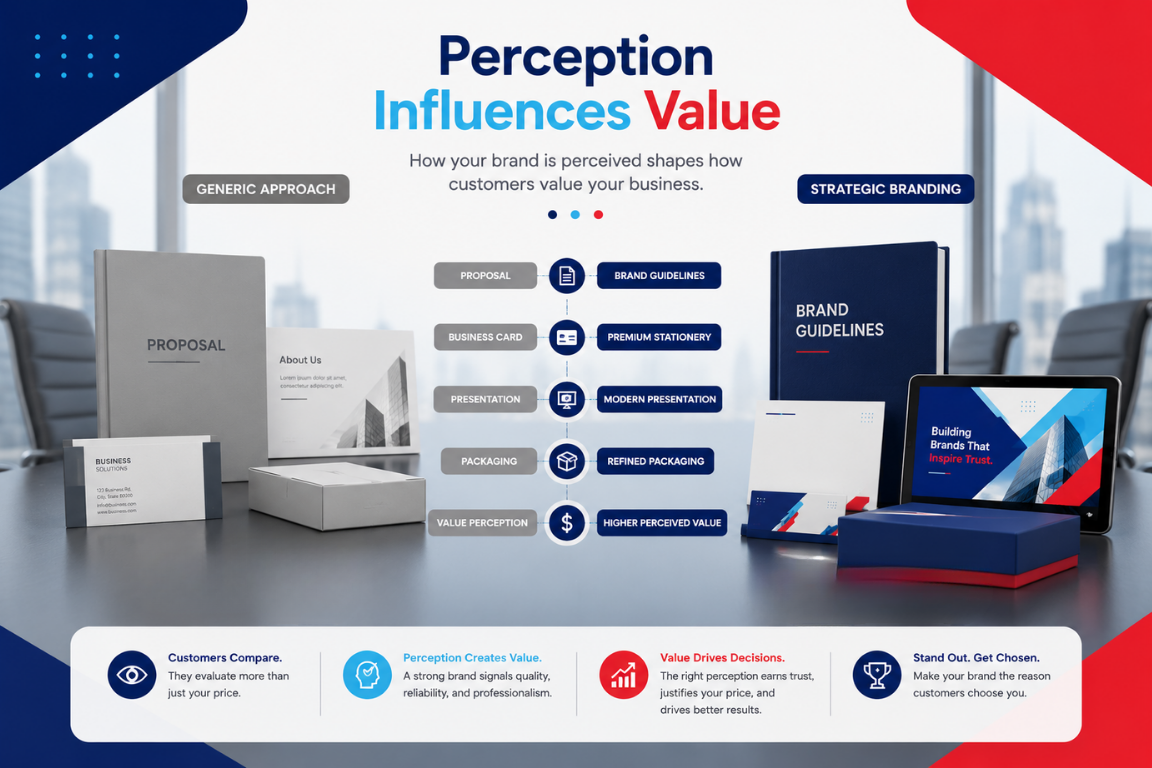
People often associate strong brands with higher quality. Think about the brands you personally trust. Chances are, they consistently communicate professionalism and deliver a cohesive experience.
Businesses with strong branding often find it easier to:
Charge premium prices
Attract higher-value clients
Compete on value rather than price
Increase customer loyalty
Branding shifts the conversation away from being the cheapest option.
4. Consistency Strengthens Recognition
Recognition builds familiarity. The more consistently customers encounter your brand across websites, social media, emails, and advertisements, the easier it becomes for them to remember you.
Consistency helps businesses remain top of mind when customers are ready to buy. This long-term familiarity creates a powerful competitive advantage.
5. Trust Leads to Referrals and Repeat Business
Revenue doesn’t only come from first-time customers. Satisfied customers who trust your business are more likely to:
Return for future purchases
Recommend your services
Leave positive reviews
Refer friends and colleagues
Trust transforms customers into advocates. Over time, these relationships contribute significantly to business growth.
6. Revenue Is the Result of Strong Brand Experiences
Revenue is often viewed as the outcome of marketing campaigns and sales efforts alone. However, branding influences every stage of the customer journey.
Strong branding:
Attracts attention
Builds trust
Improves recognition
Encourages loyalty
Supports referrals
Together, these factors create an environment where revenue growth becomes more sustainable.
Branding is far more than visual design. It shapes how customers perceive your business, determines whether they trust you, and influences the decisions that generate revenue.
Businesses that invest in strong branding are not simply creating attractive visuals. They are building credibility, nurturing customer relationships, and laying the foundation for long-term growth. In today’s competitive marketplace, trust is one of the most valuable assets a business can earn and effective branding is one of the most powerful ways to achieve it.
To get professional help and get the right services, you can email us at hello@rtsalvatore.net or call us through 0707079107.
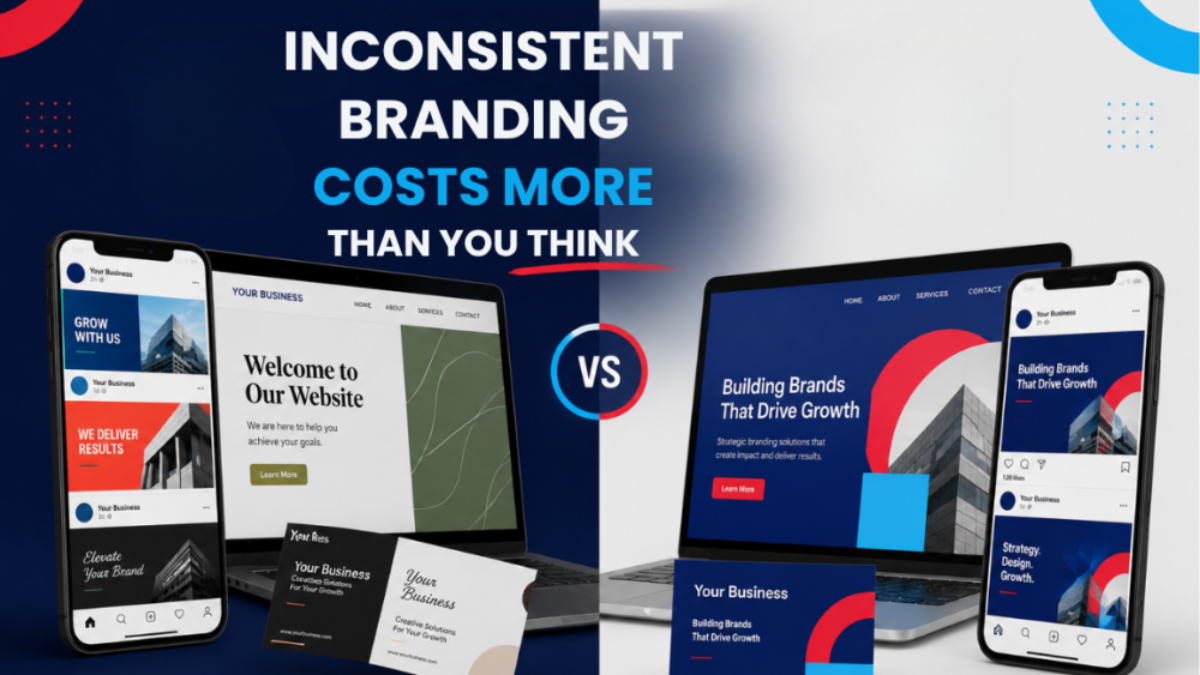
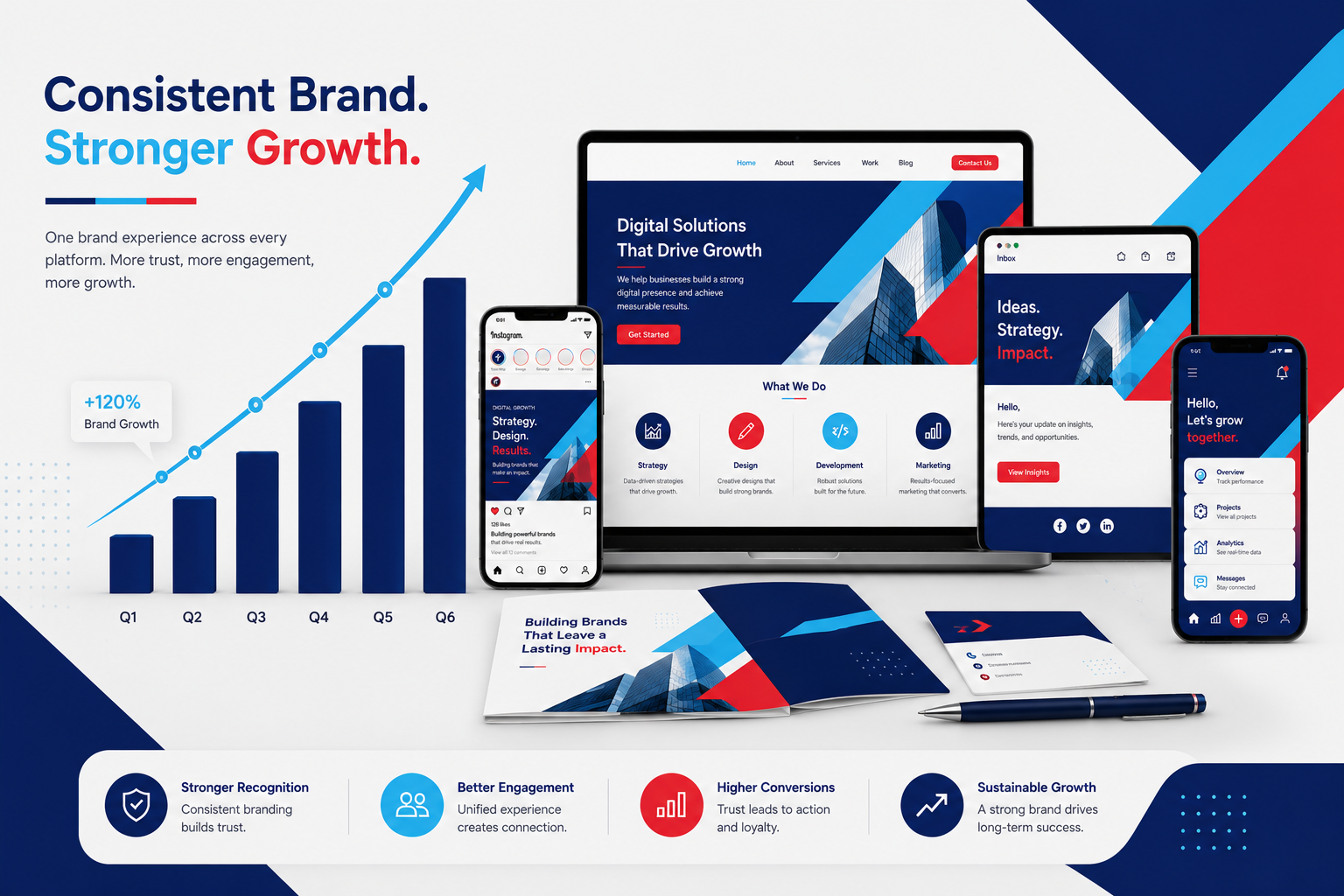
Inconsistent branding is a challenge many businesses underestimate. Companies invest in logos, websites, social media content, and marketing campaigns but often overlook one crucial factor: maintaining a consistent brand identity across every customer touchpoint.
At first glance, inconsistent branding may seem harmless. However, over time, it can affect customer recognition, create confusion, weaken trust, and limit business growth.
The hidden cost of inconsistent branding isn’t always immediately visible, but its long-term effects can significantly influence how customers perceive and engage with your business.
One of the primary goals of branding is to make your business memorable.
When customers repeatedly see the same colours, typography, messaging, and visual identity, they begin to recognise and remember your brand more easily.
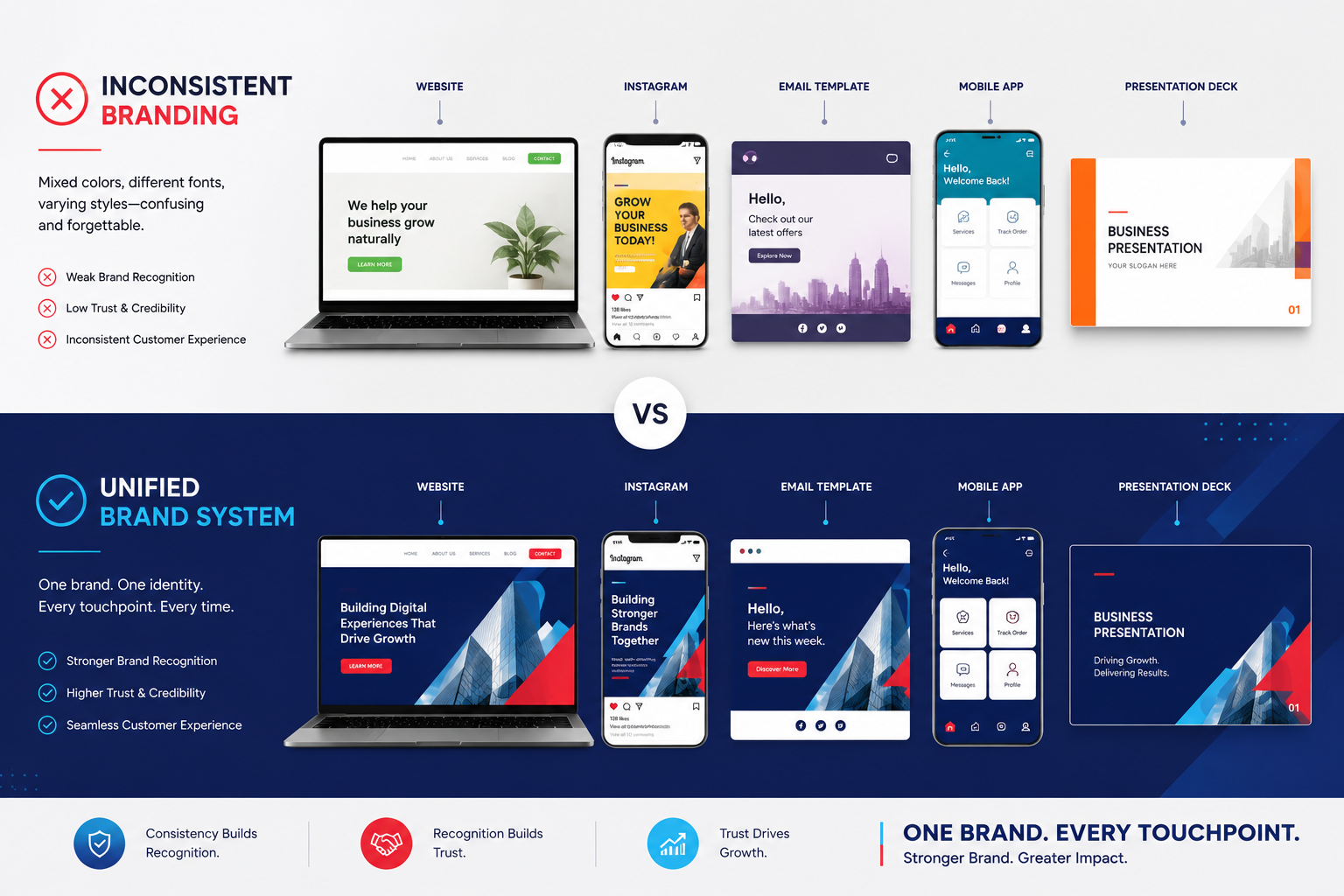
However, when a business uses different styles across platforms, recognition becomes much harder.
Examples include:
Different logo variations across channels
Inconsistent color schemes
Changing typography frequently
Different messaging styles
The more inconsistent your branding becomes, the harder it is for customers to identify your business.
When branding varies significantly across websites, social media platforms, email campaigns, and advertisements, customers may struggle to connect these experiences to the same company.
Confused customers are less likely to engage, enquire, or make purchasing decisions. Inconsistency creates unnecessary friction in the customer journey.
Imagine visiting a company’s website and seeing one visual style, then visiting their social media profiles and encountering completely different branding.
This inconsistency can raise questions:
Is this the same company?
Is the business still active?
How professional are they?
While customers may not consciously identify branding inconsistencies, they often notice when something feels disconnected.
4. Marketing Becomes Less Effective
Marketing efforts become significantly stronger when supported by a recognisable brand.
Every advertisement, social media post, email campaign, and website visit should reinforce the same identity.
5. Inconsistent Branding Makes It Harder to Look Premium
Premium brands rarely leave their identity to chance. Whether customers interact with a website, a presentation, social media content, or an email, the experience feels connected and intentional.
6. Long-Term Growth Depends on Strong Brand Equity
Brand equity refers to the value people associate with your business over time. Every consistent interaction strengthens that value. Every inconsistent interaction weakens it.
As businesses grow, consistency becomes even more important because customers interact with brands across more channels than ever before.
A strong and recognisable brand becomes a competitive advantage that supports:
Customer loyalty
Referrals
Recognition
Long-term growth
List
How Businesses Can Improve Branding Consistency
To create a stronger and more recognisable brand:
1.Establish Brand Guidelines
Define:
Colours
Typography
Logo usage
Visual style
Messaging standards
2.Maintain Consistency Across Platforms
Ensure every customer touchpoint reflects the same identity.
3.Regularly Audit Brand Assets
Review websites, social media profiles, presentations, and marketing materials for consistency.
4.Invest in Strategic Branding
Treat branding as a business asset rather than a design exercise.
The cost of inconsistent branding extends far beyond visual appearance. It can reduce recognition, confuse customers, weaken trust, lower marketing effectiveness, and limit long-term growth.
Businesses that invest in consistency create stronger customer experiences, build lasting credibility, and position themselves for sustainable success.
In a competitive digital environment, consistency is not simply a branding preference, it is a business advantage.
To get professional help and get the right services, you can email us at hello@rtsalvatore.net or call us through 0707079107
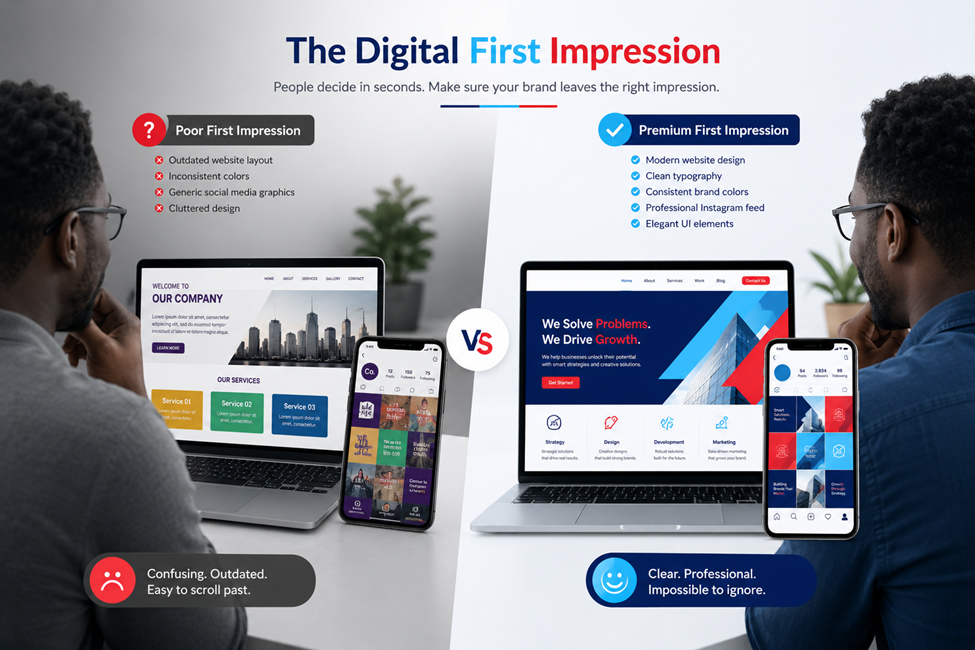
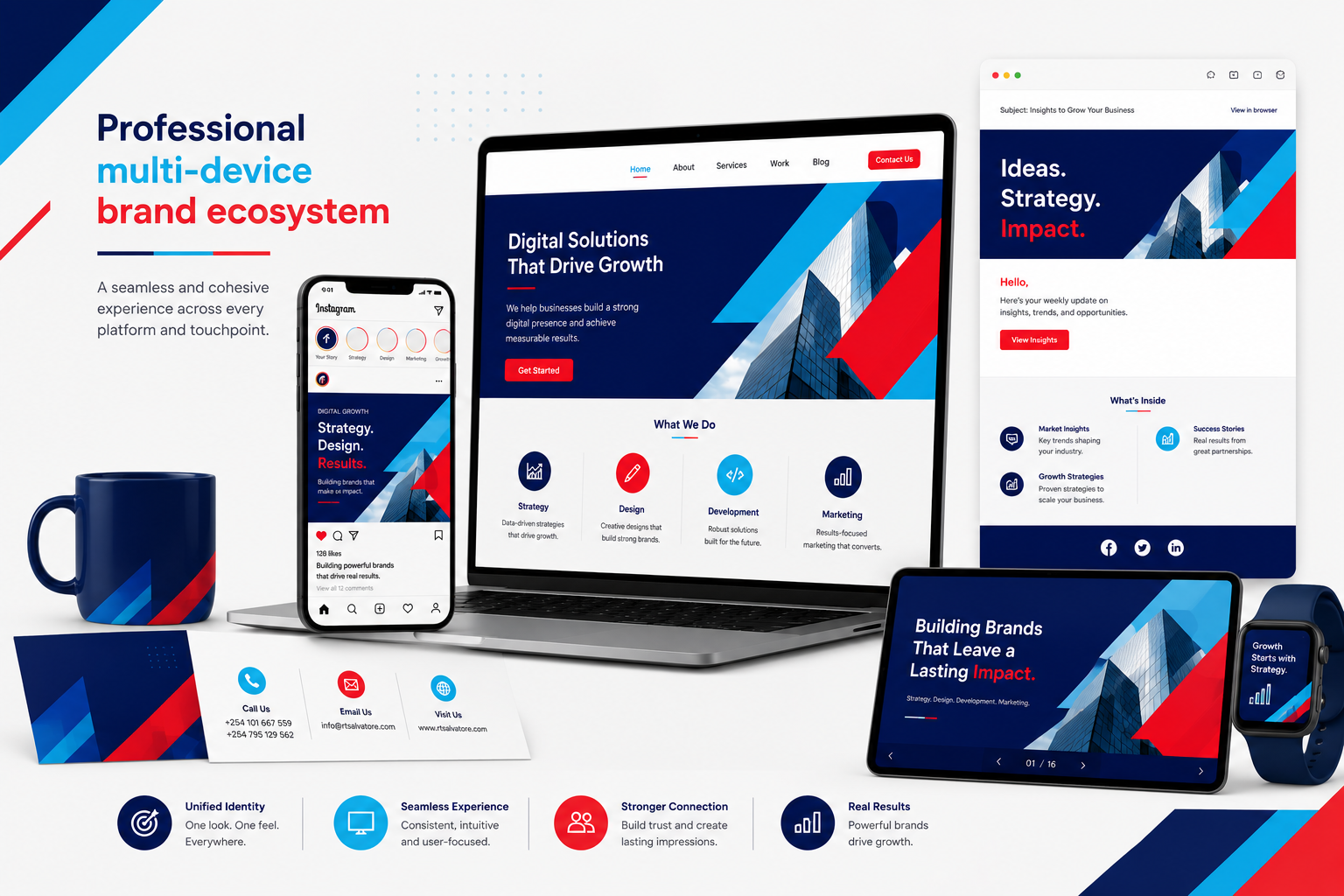
In today’s digital world, customers often form opinions about a business before making contact. Within seconds of visiting a website, viewing social media profiles, or seeing marketing materials, people begin judging credibility, professionalism, and whether a company presents itself as a premium business.
The question is: what makes one business appear premium while another looks average?
The answer goes beyond having a logo or a website. Premium brands create a consistent, professional experience across every customer touchpoint, helping them build trust, recognition, and a stronger market presence.
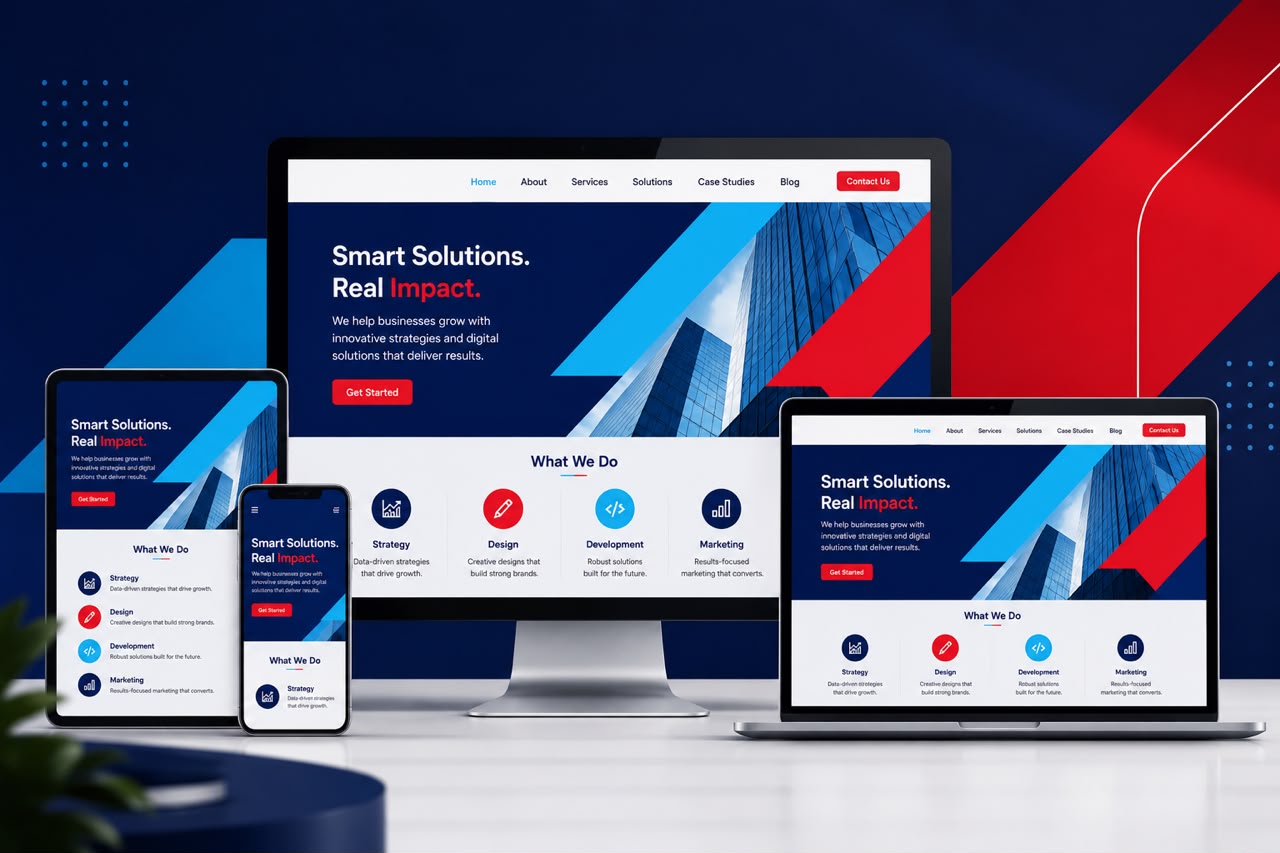
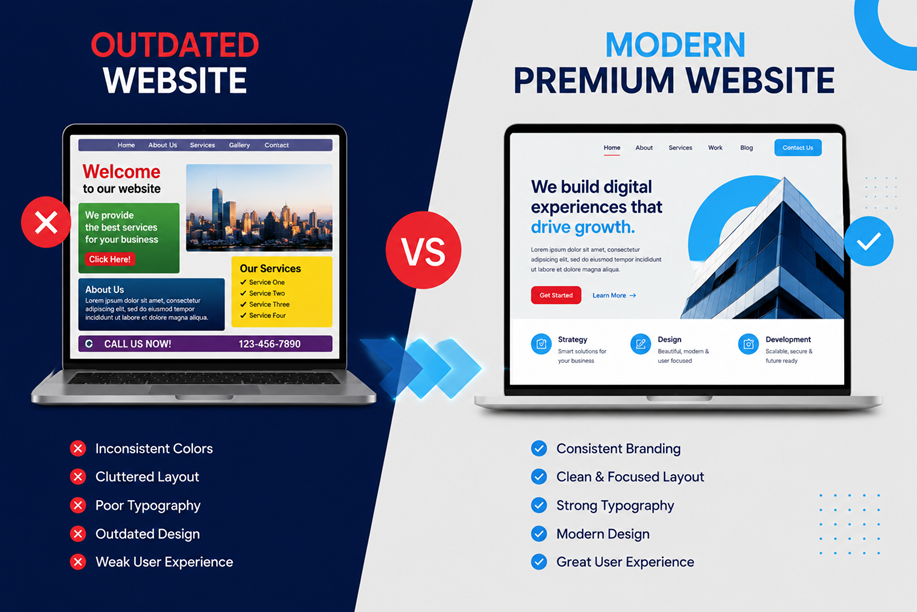
1. Professional Website Design Creates Strong First Impressions
Your website is often the first interaction potential customers have with your business.
Customers often associate premium-looking brands with:
Higher quality
Greater expertise
Better customer service
Stronger reliability
This is why two businesses offering similar services can be perceived very differently.
The business with stronger branding, better design, and a more professional online presence often earns trust faster.
6. Premium Brands Focus on the Entire Experience
Looking premium online is not about one element.
It’s the combination of: branding, website design, content quality, consistency, and customer experience.
When these elements work together, they create a brand that feels professional, trustworthy, and memorable.
A premium online presence is not built by accident. It is the result of intentional branding, strategic website design, consistent content, and a customer experience that reflects professionalism at every stage.
Businesses that invest in these areas are more likely to build trust, strengthen recognition, and attract higher-quality clients.
In an increasingly competitive digital landscape, how your business looks online can influence how customers perceive its value long before a conversation begins.
To get professional help and get the right services, you can email us at hello@rtsalvatore.net or call us through 0707079107