Niche audiences are becoming the foundation of successful digital marketing in today’s competitive online environment. In the Kenyan digital landscape, many businesses are beginning to realise that broad marketing no longer delivers strong results. Modern consumers prefer personalised content, targeted messaging, and brands that directly address their interests, needs, and lifestyles. This is why businesses that focus on the right audience often achieve higher engagement, stronger customer trust, and better conversion rates.
A niche audience refers to a specific group of people who share common characteristics such as interests, behaviours, location, occupation, or spending habits. Through digital marketing strategies such as SEO, social media marketing, branding, content creation, advertising, and web design, businesses can effectively reach their ideal audiences and build sustainable long-term growth.
Understanding Niche Audiences
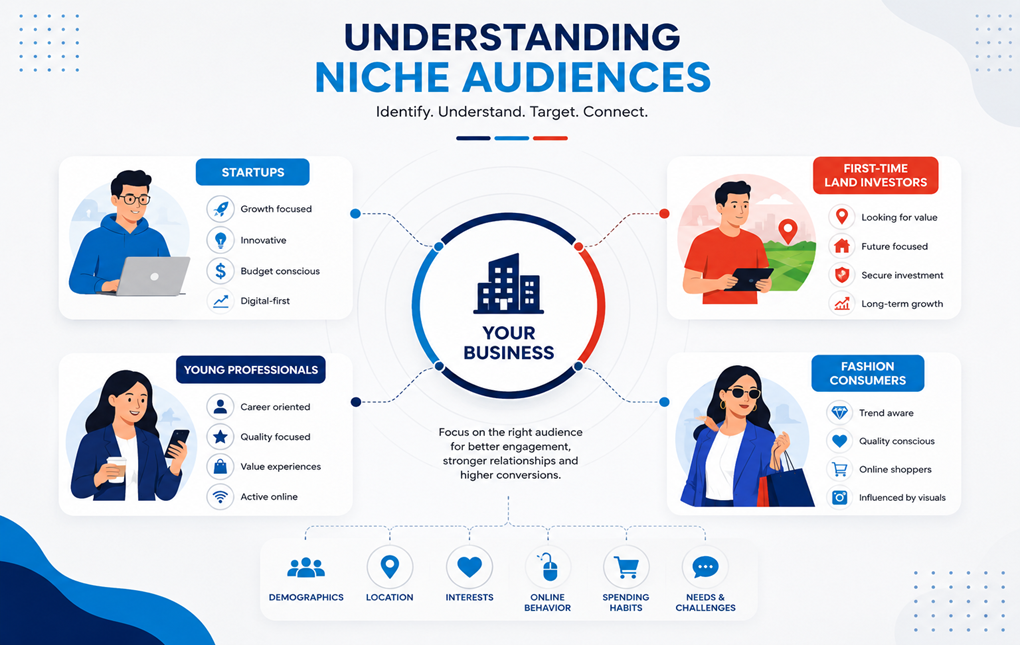
A niche audience refers to a smaller, more specific segment of a larger market. Instead of targeting everyone, businesses focus on audiences that are more likely to be interested in their products or services.
Niche audiences are often defined by:
- Interests
- Age group
- Location
- Lifestyle
- Occupation
- Online behavior
- Spending habits
- Specific problems or needs
For example:
- A digital agency may target startups seeking affordable branding solutions.
- A real estate company may target first-time land investors.
- A fashion brand may target young professionals interested in luxury wear.
Understanding niche audiences allows businesses to create more personalised marketing strategies that connect with audiences on a deeper level.
Why Targeting Niche Audiences Matters
Targeting niche audiences helps businesses market more effectively because their messaging becomes more focused and relevant. Instead of trying to appeal to everyone, businesses communicate directly with people who are most likely to engage with the brand.
One major advantage of niche marketing is higher engagement. Audiences are more likely to interact with content that feels relevant to their interests and needs. Personalised messaging creates stronger emotional connections and improves audience trust.
Targeting niche audiences also improves conversion rates. Businesses waste less time and money marketing to people who may not be interested in their services. Instead, they focus resources on audiences with higher purchasing potential.
Additionally, niche marketing helps businesses:
- Build stronger brand identity
- Increase customer loyalty
- Improve audience retention
- Reduce advertising waste
- Establish authority within their industry
For example, a land-selling company targeting young professionals looking for affordable plots near developing urban areas is likely to achieve better results than a company using broad messaging aimed at everyone.
Understanding Your Target Audience
Before businesses can effectively target niche audiences, they must first understand who their ideal customers are. Audience research is one of the most important steps in digital marketing strategy because it helps businesses create content and campaigns that address specific customer needs.
Businesses should analyse:
- Audience demographics
- Interests and hobbies
- Online behavior
- Preferred social media platforms
- Purchasing habits
- Challenges and pain points
- Goals and motivations
This information helps businesses create more targeted and personalised marketing campaigns.
Several tools can help businesses gather audience insights, including:
Understanding audience behaviour allows businesses to improve communication and deliver more valuable content to the right people.
Using Social Media Strategically
Social media platforms play a major role in niche audience targeting. Different audiences spend time on different platforms, which means businesses should focus on platforms where their ideal customers are most active.
For example:
- LinkedIn is effective for professionals and B2B marketing.
- Instagram works well for visual brands such as fashion, beauty, and lifestyle businesses.
- TikTok attracts younger audiences interested in short-form video content.
- Facebook is useful for community engagement and broader audience reach.
Businesses that understand platform behaviour can create more effective digital marketing strategies.
Consistency also matters in social media marketing. Brands that regularly post valuable content improve visibility, audience trust, and engagement over time. Social media algorithms often reward active and consistent accounts, increasing the chances of content reaching larger audiences.
To effectively target niche audiences on social media, businesses should:
- Create valuable and relevant content
- Use audience-specific messaging
- Maintain consistent branding
- Engage with followers regularly
- Analyze performance metrics
Strategic social media management helps businesses build long-term relationships with their audiences while improving brand visibility online.
Creating Personalized Content
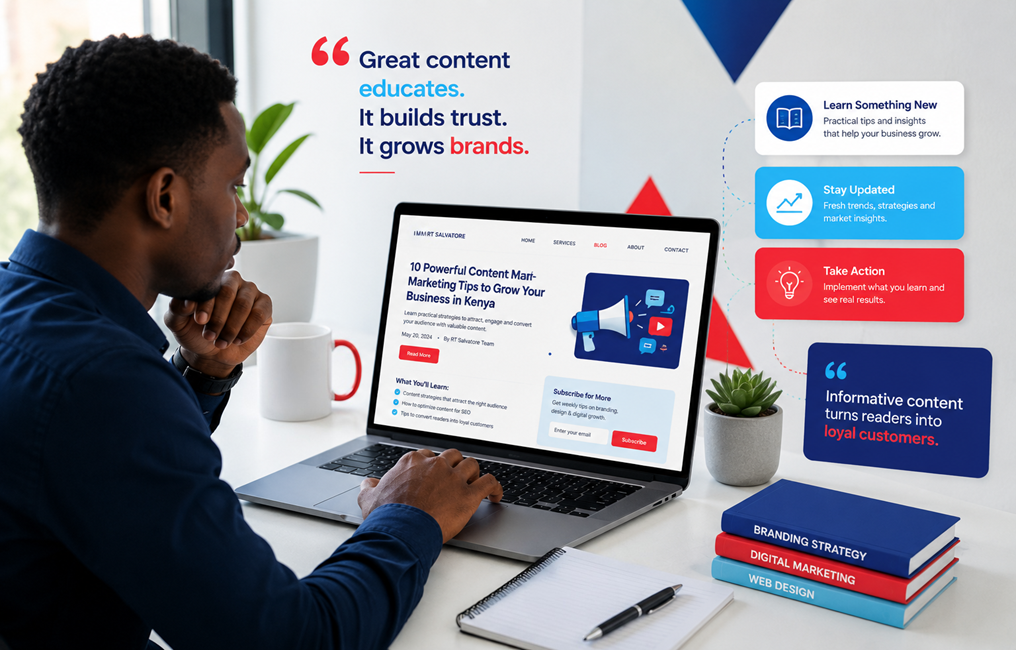
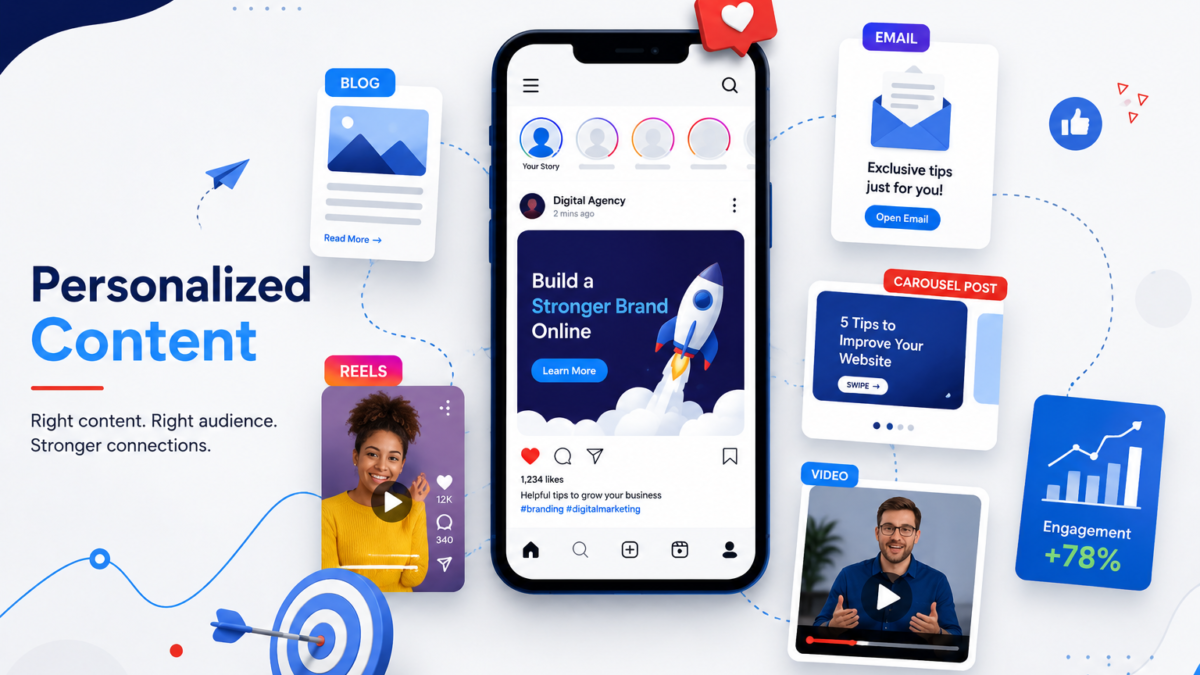
Personalised content is one of the most powerful ways to connect with niche audiences. Modern consumers prefer content that feels relevant to their interests, problems, and goals. Businesses that create audience-focused content are more likely to increase engagement and build trust.
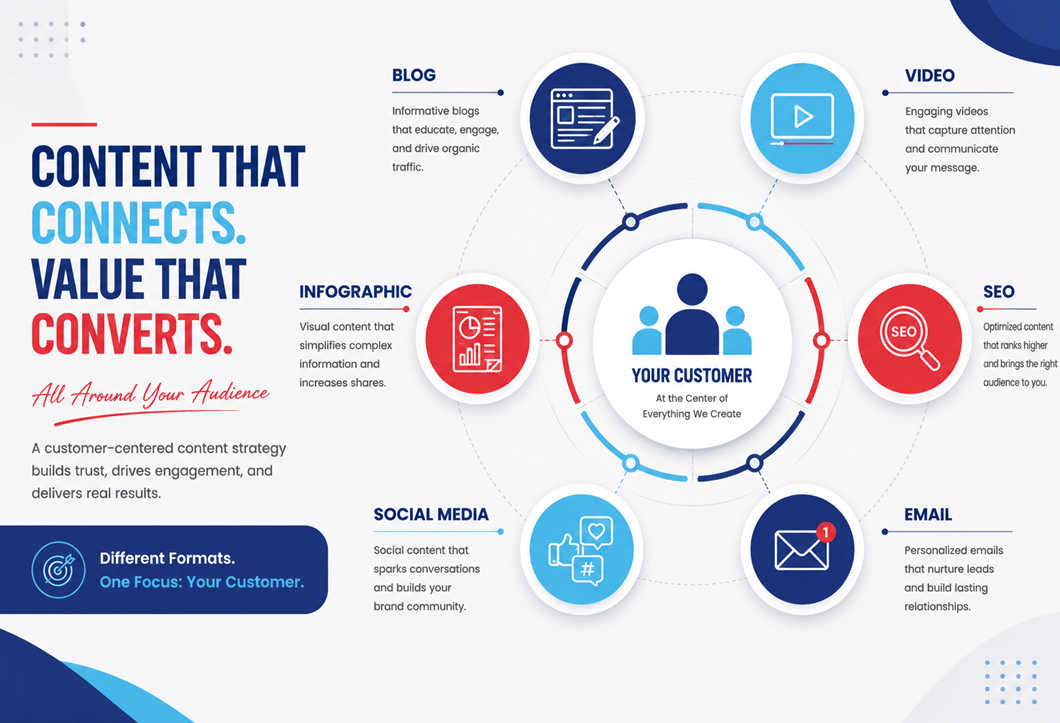
Personalised content may include:
- Educational blogs
- Social media reels
- Carousel posts
- Infographics
- Tutorials
- Videos
- Email campaigns
For example, a digital marketing agency targeting small businesses may create content explaining:
This type of content provides value while positioning the business as an expert within its niche.
Personalised content also improves audience retention because consumers are more likely to continue following brands that consistently address their interests and needs.
Importance of Branding in Niche Marketing
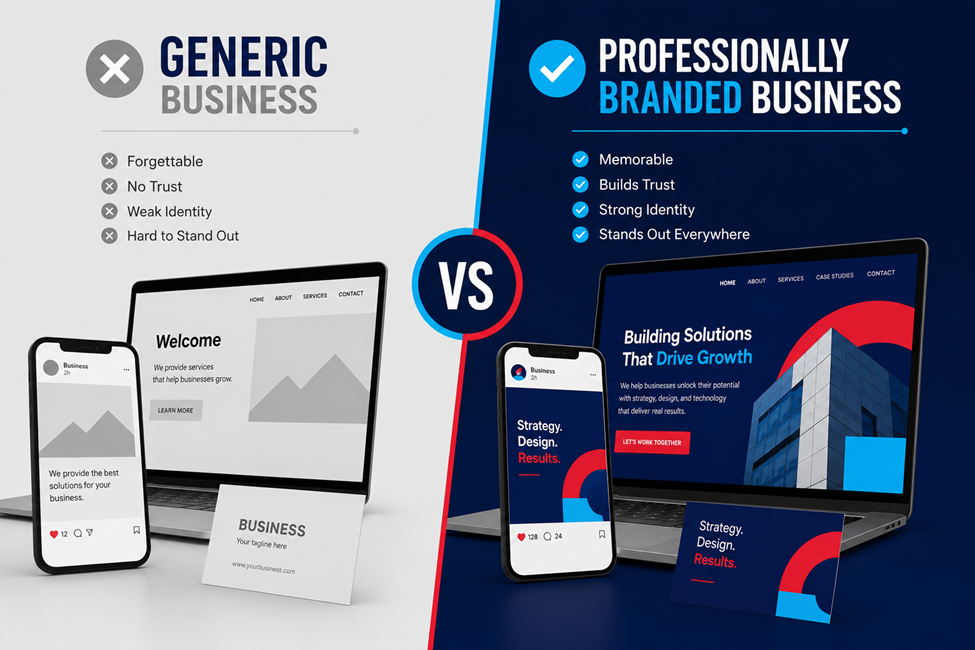
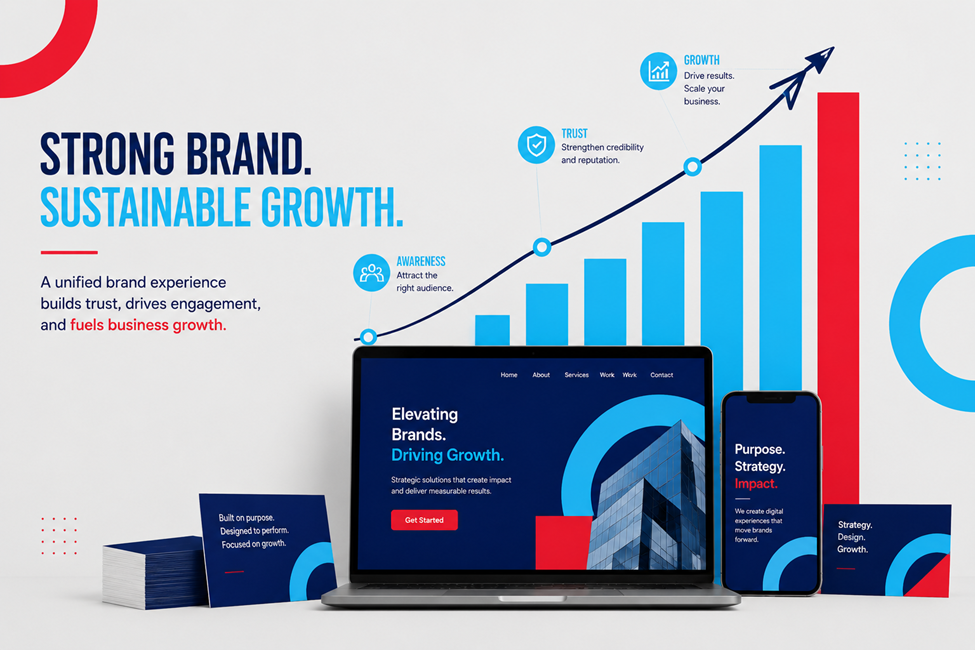
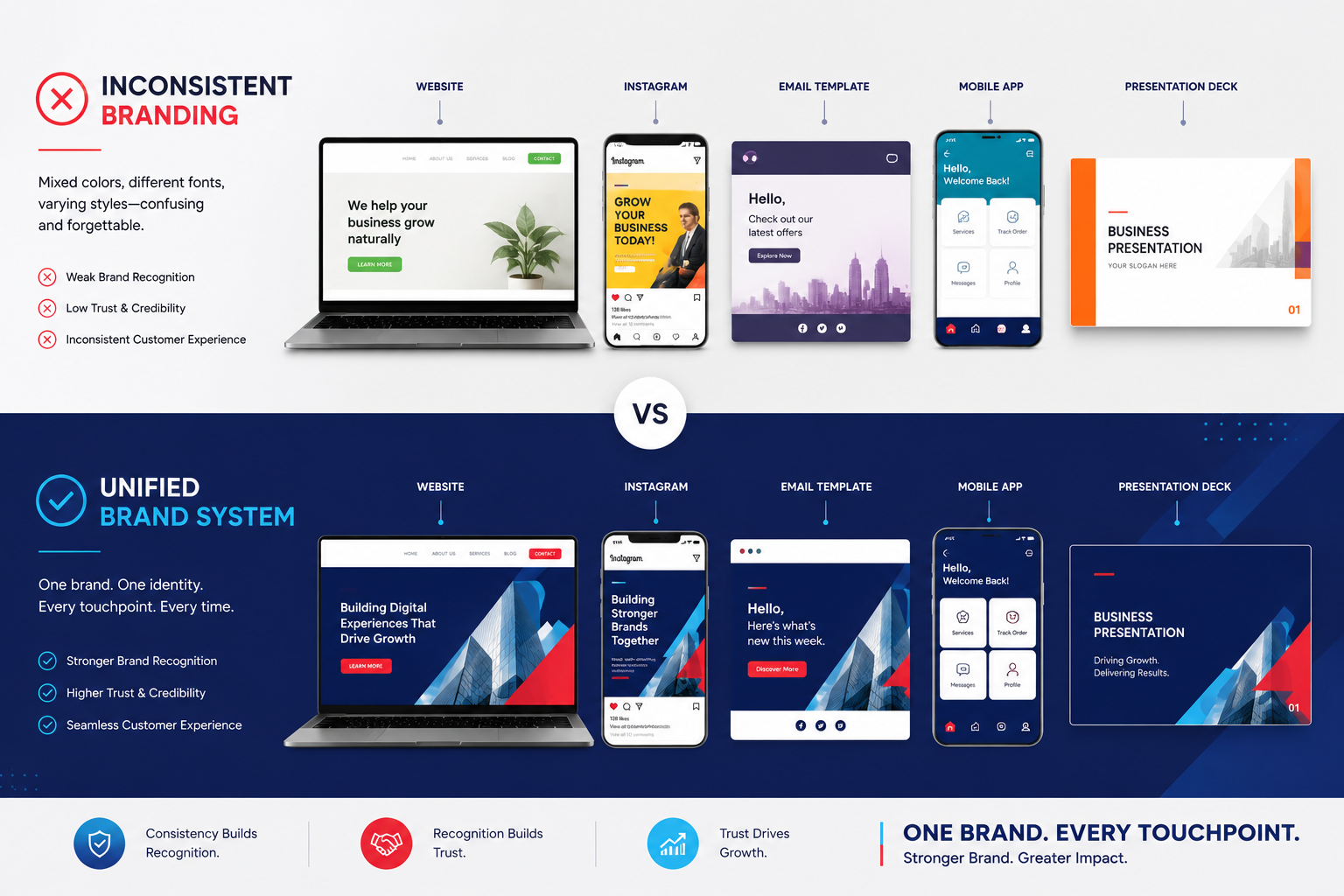
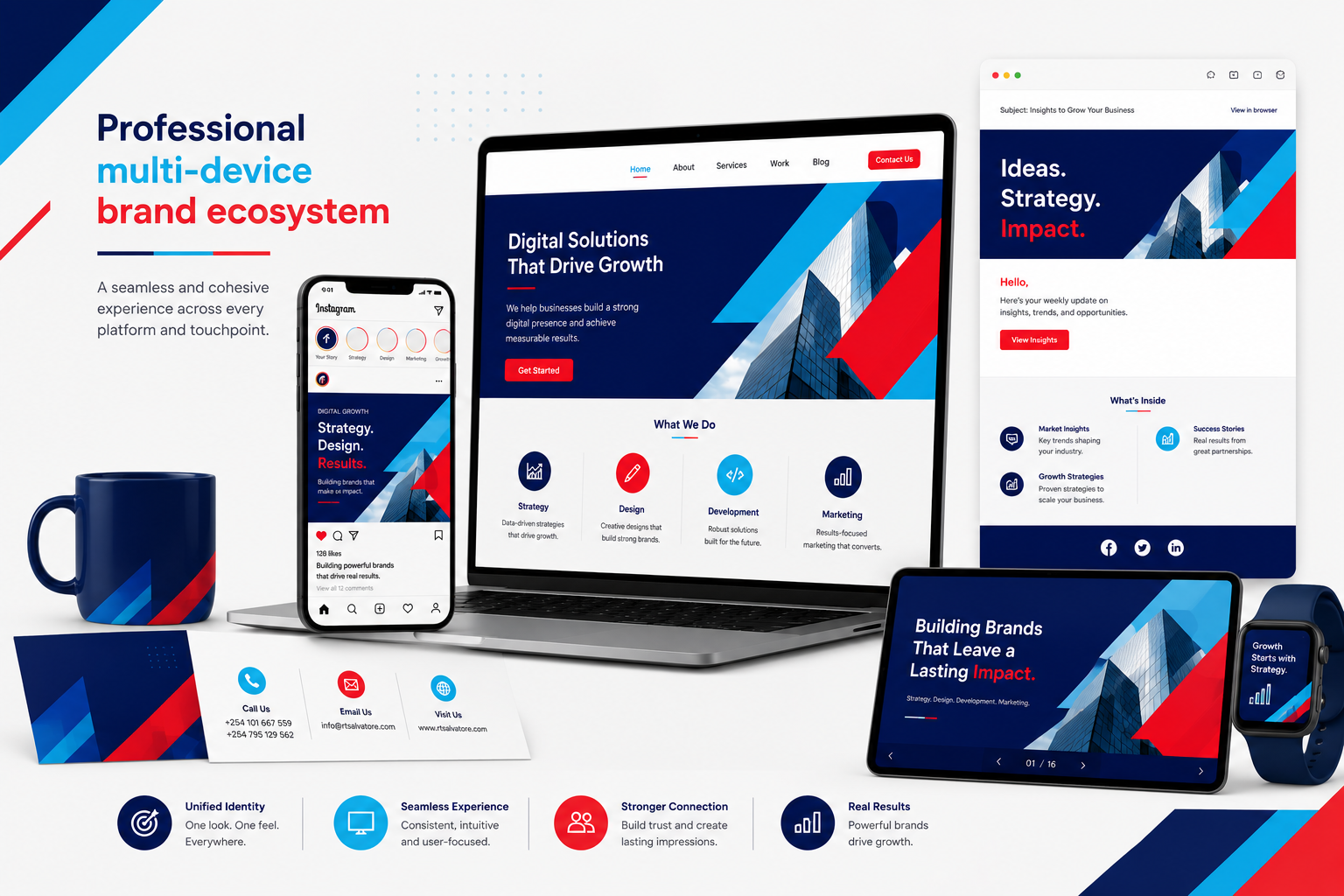
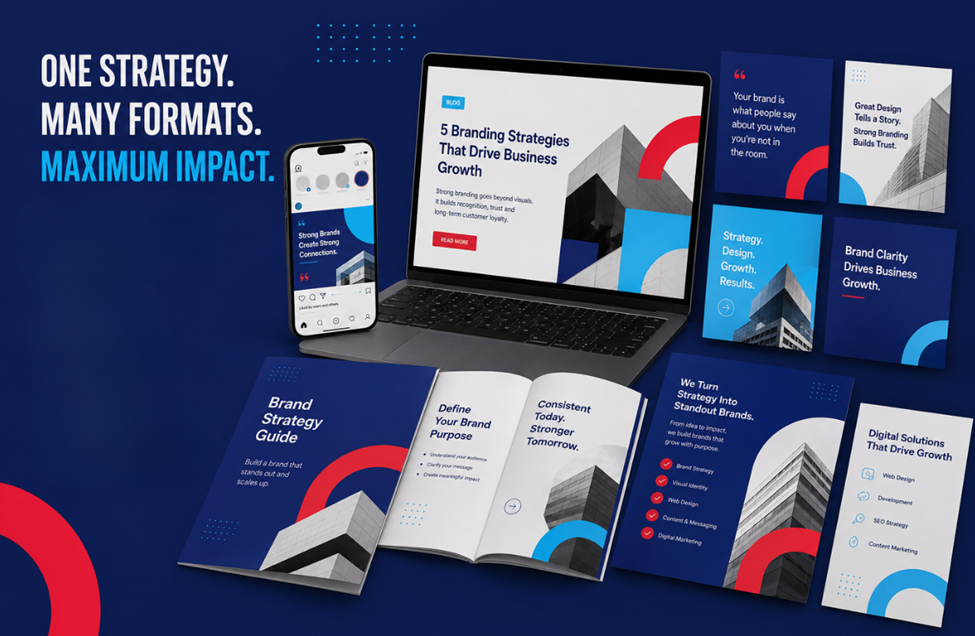
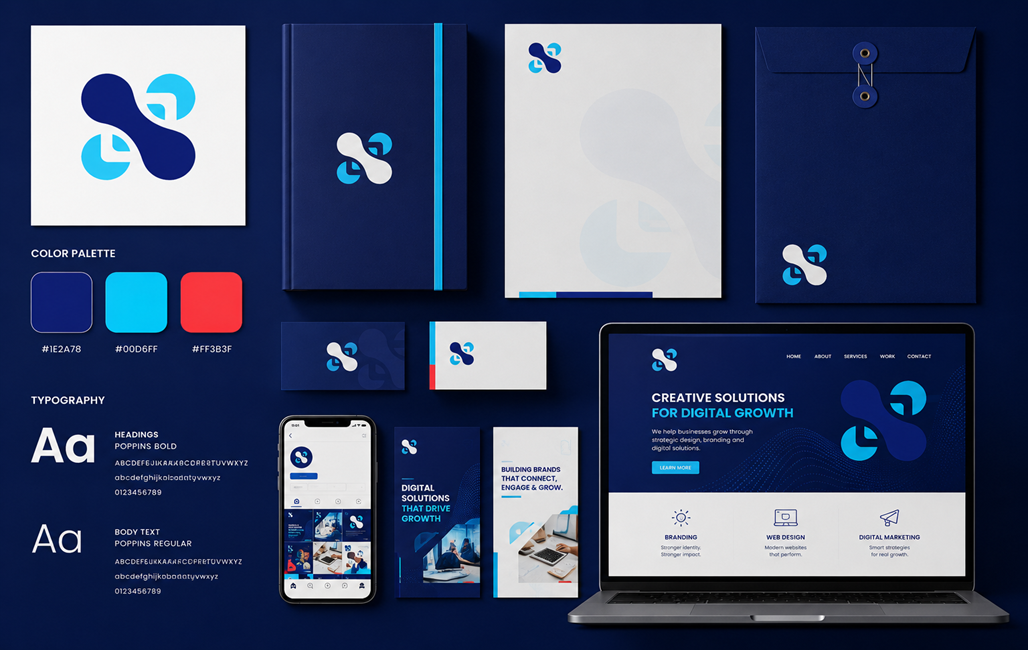
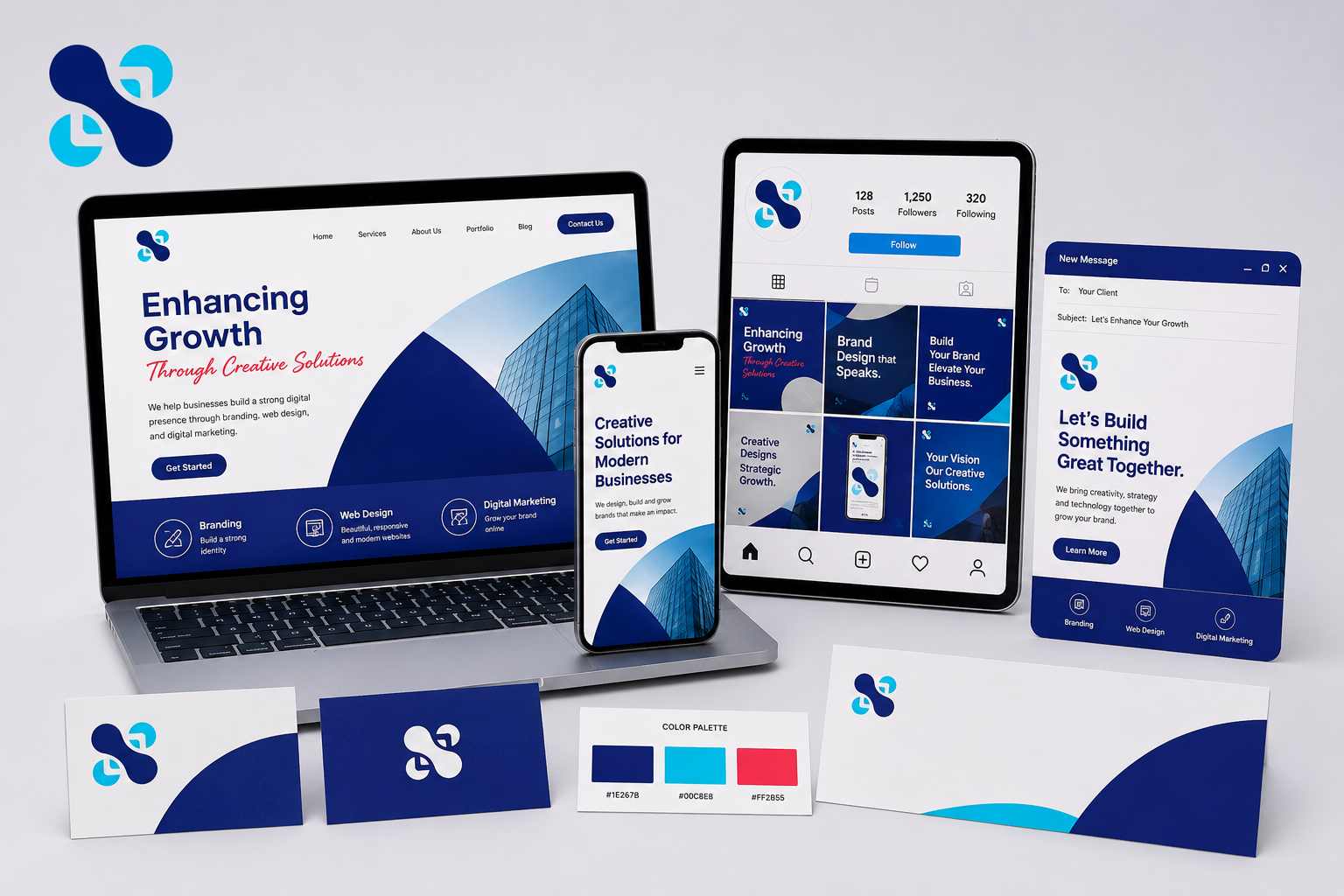
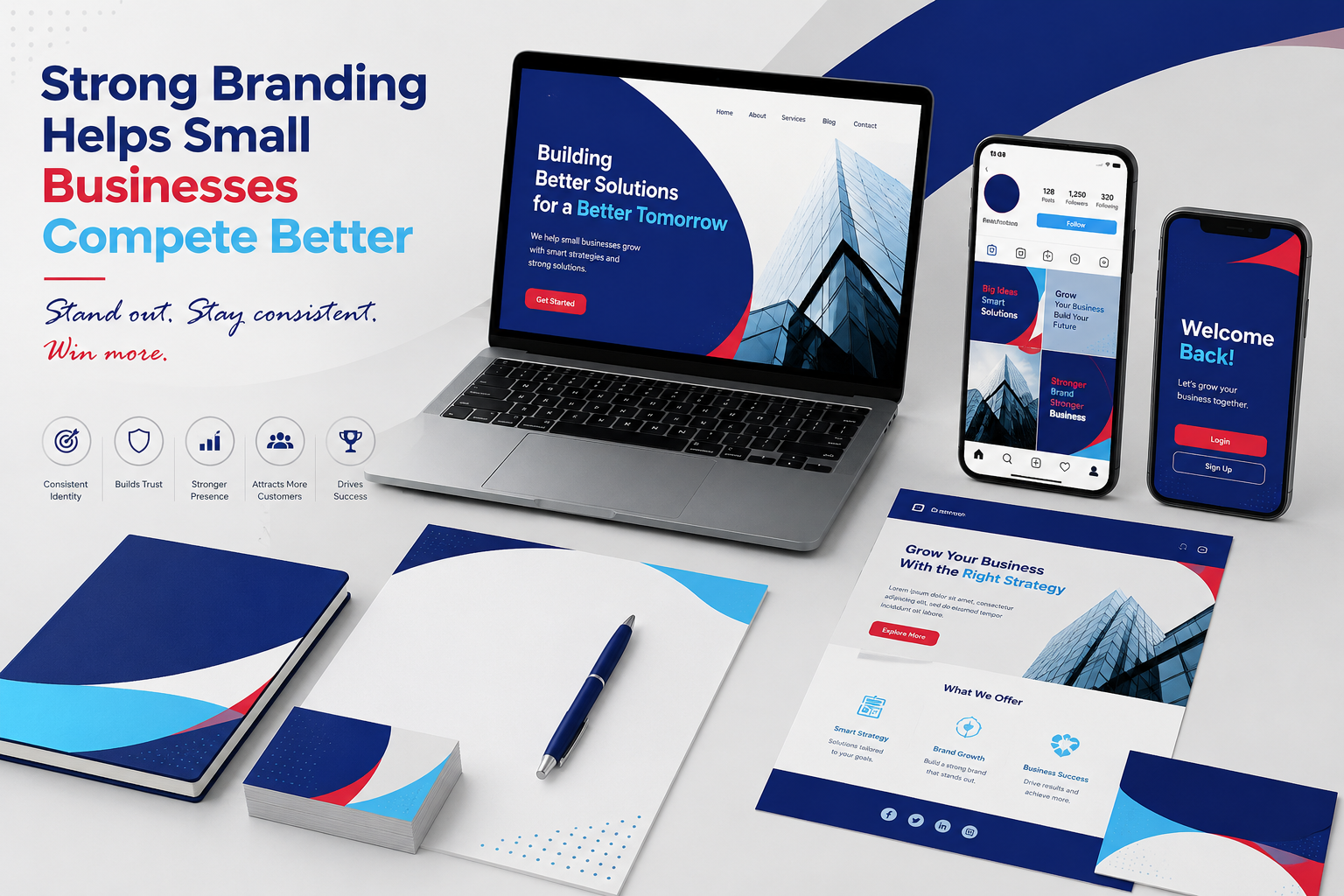
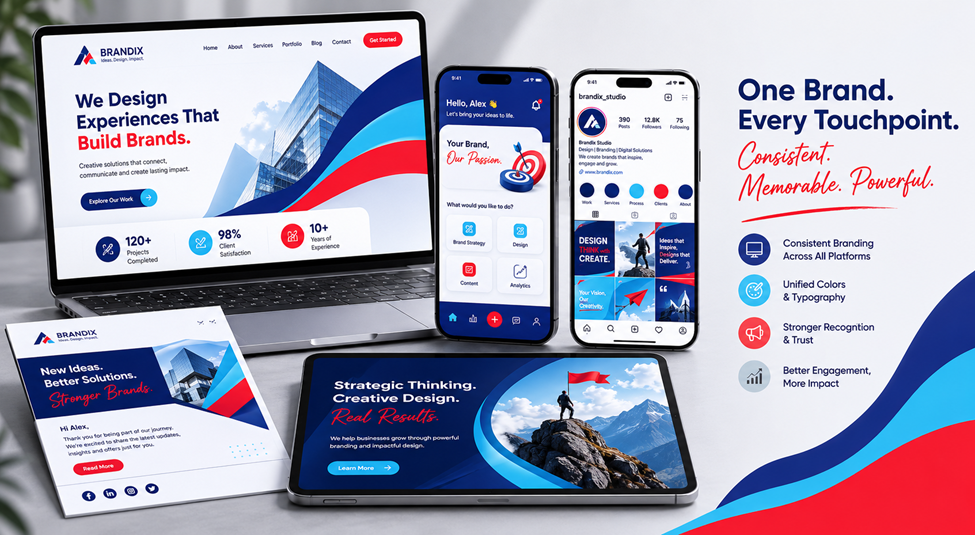
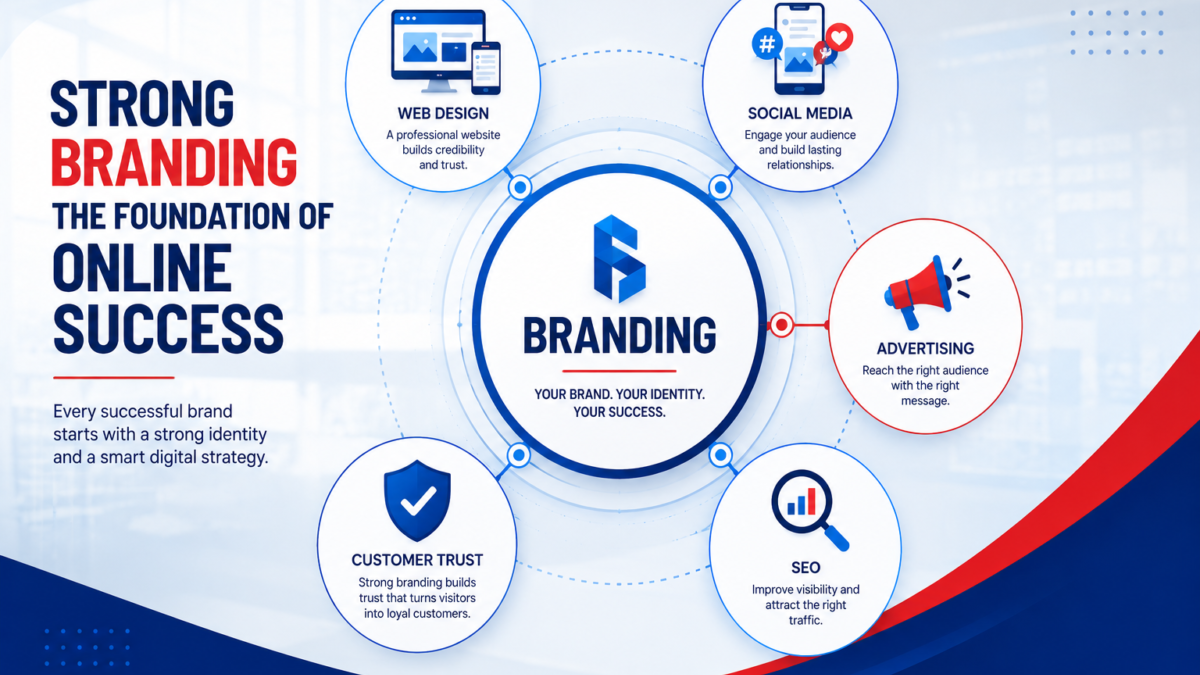
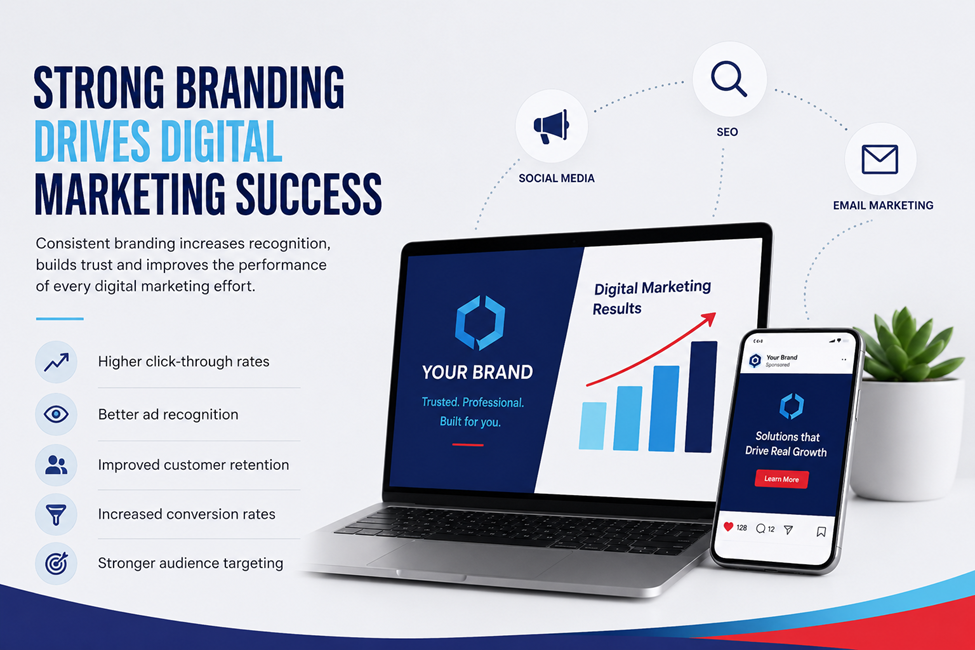
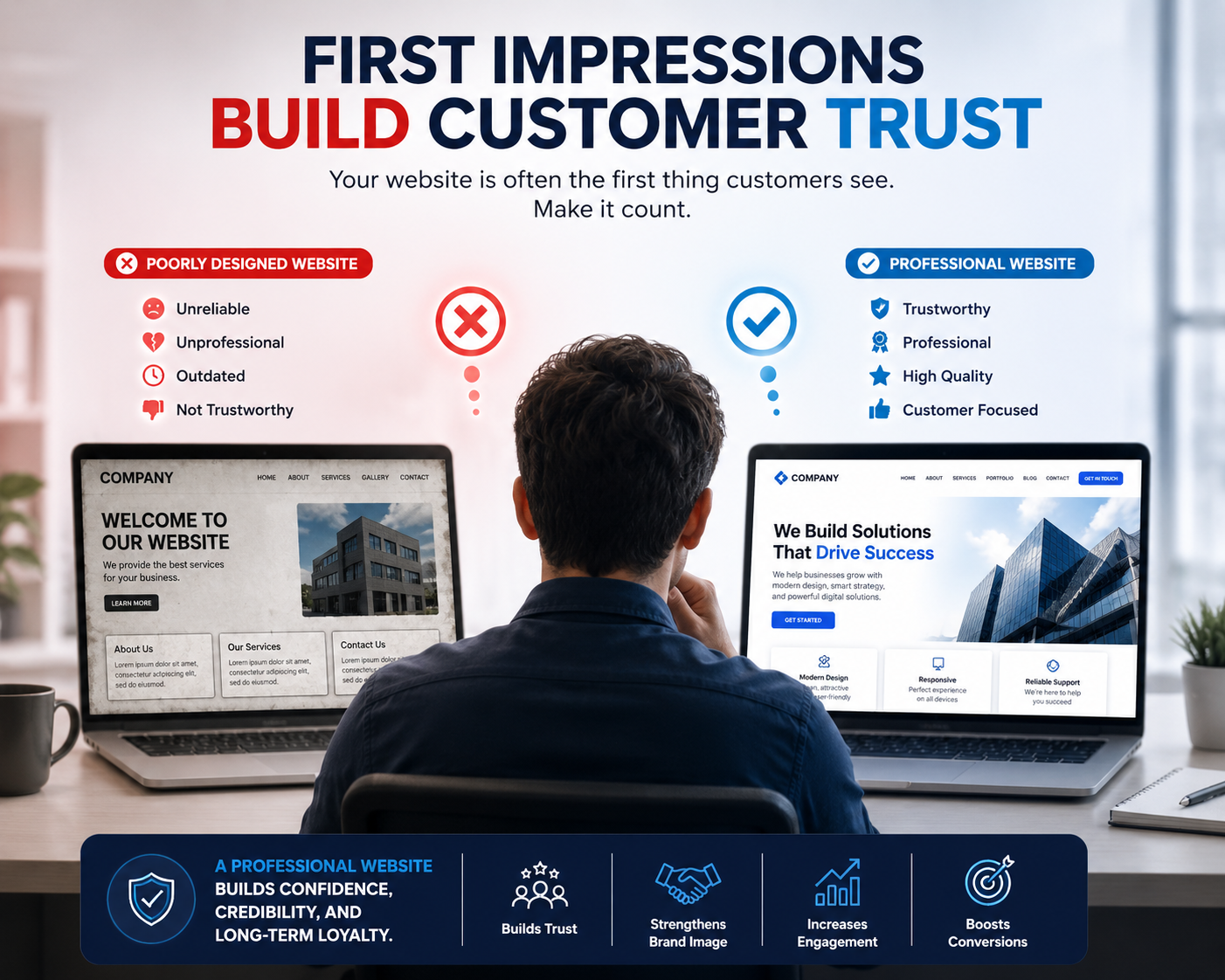
Branding plays a major role in helping businesses attract and retain niche audiences. Strong branding creates recognition, professionalism, and trust, which are essential in competitive digital spaces.
Businesses targeting niche audiences should maintain:
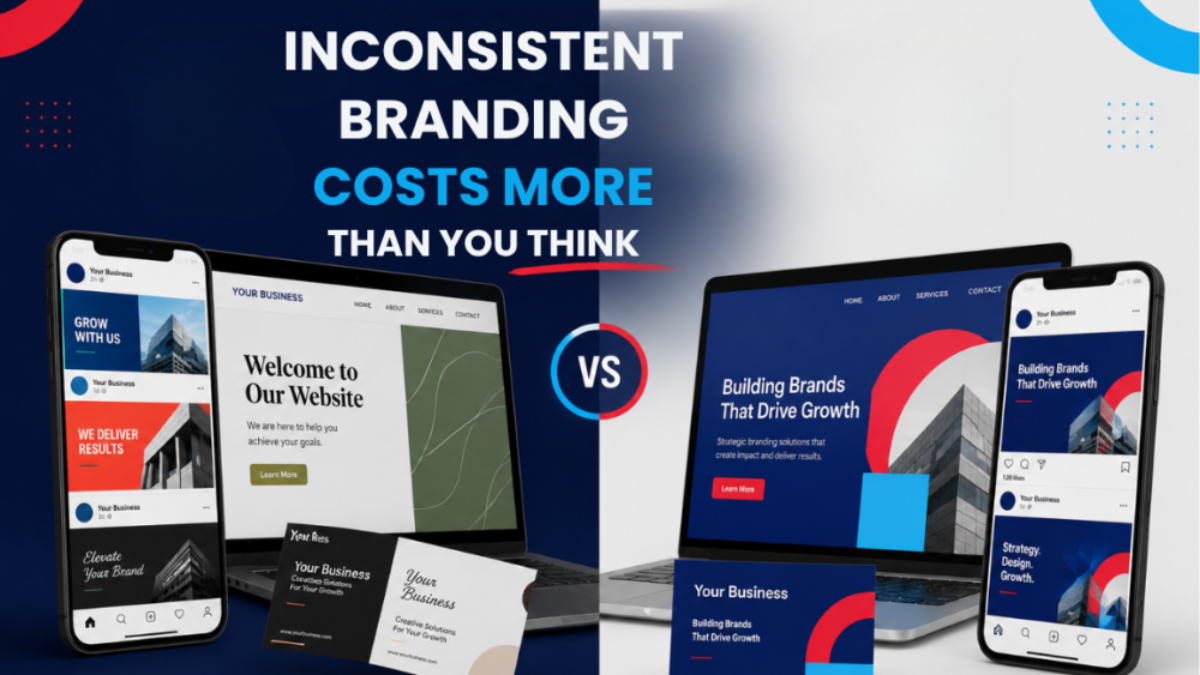
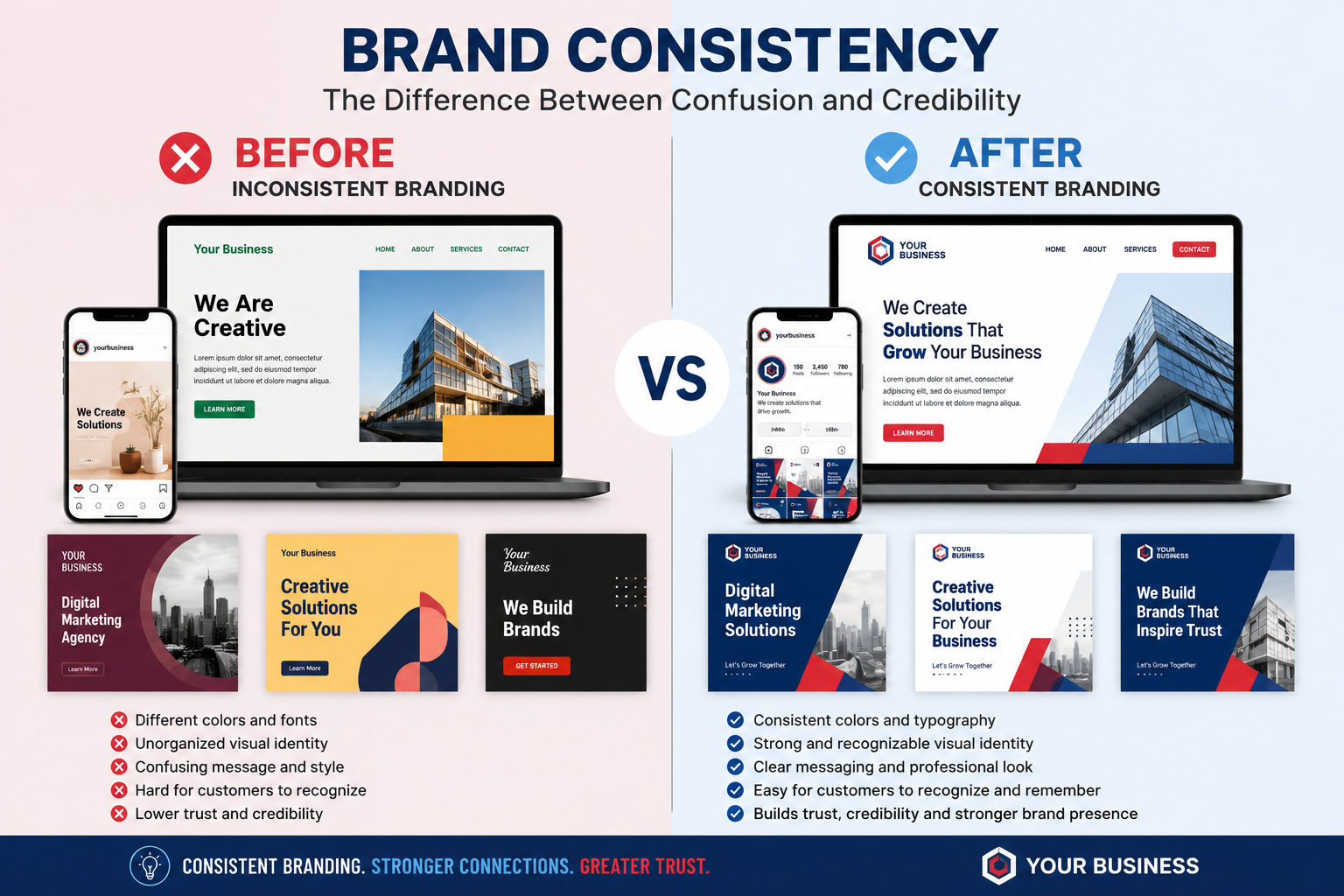
- Consistent brand colors
- Professional graphic design
- Clear messaging
- Consistent tone of voice
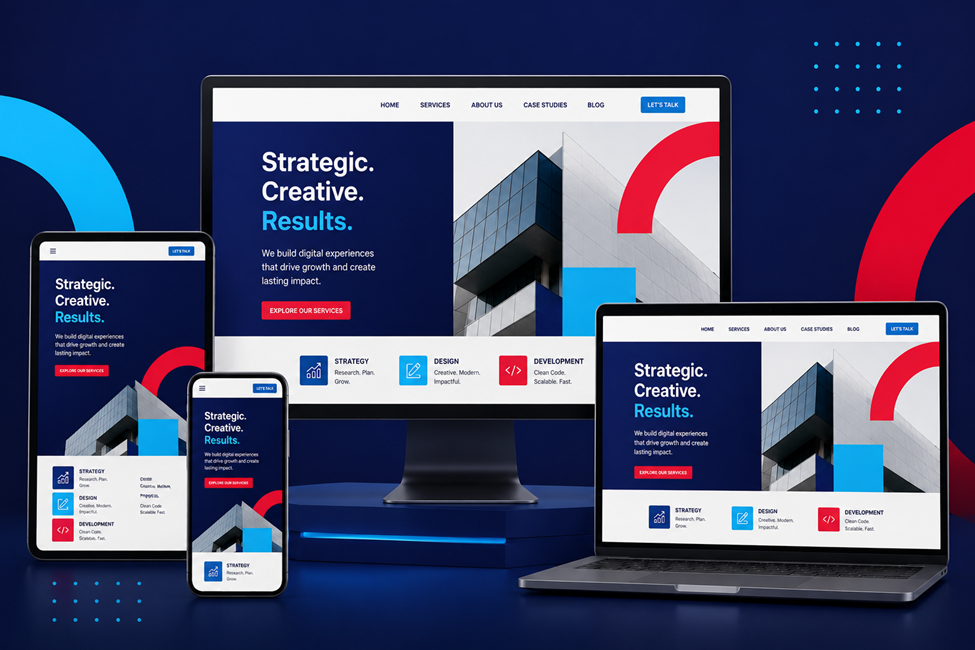
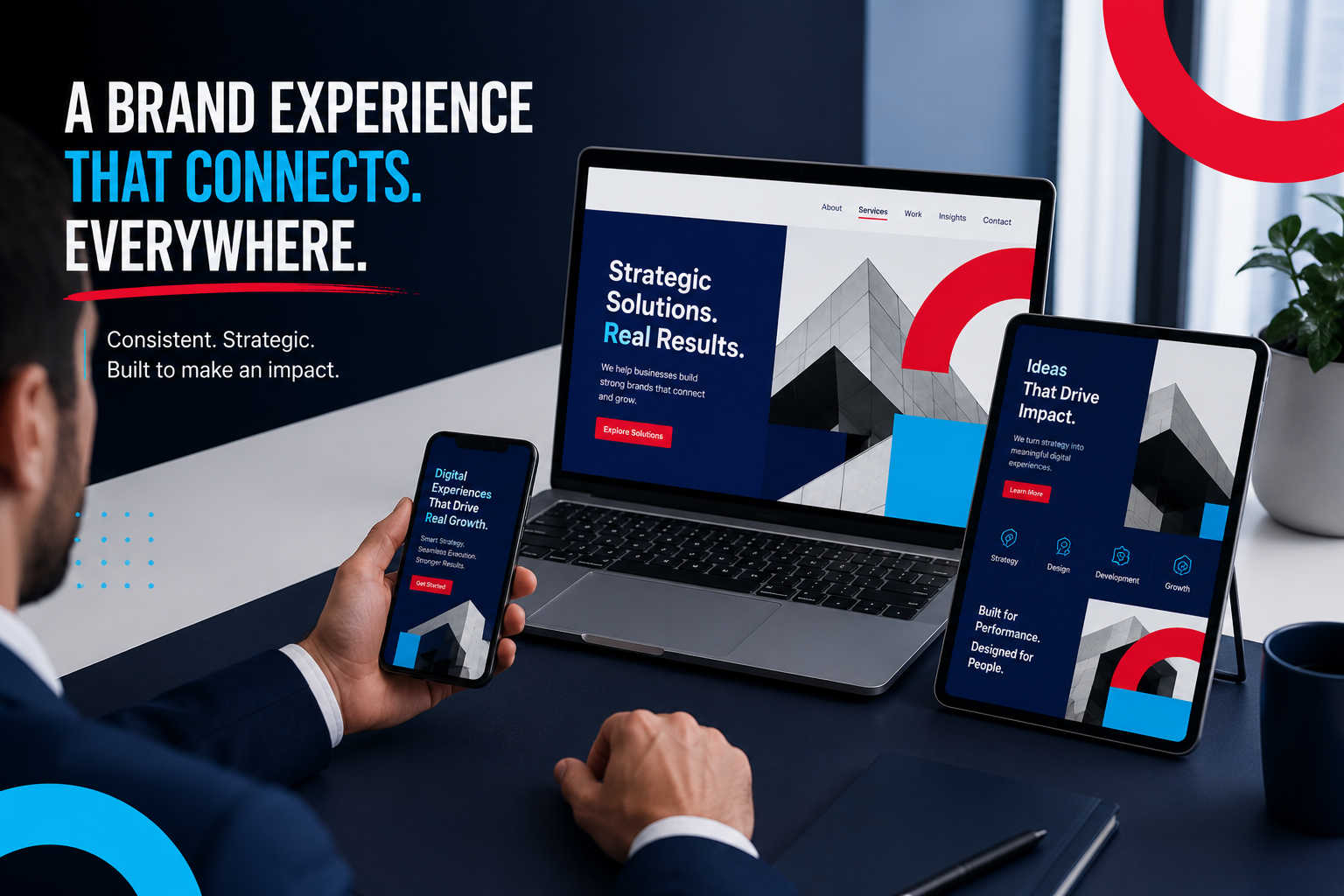
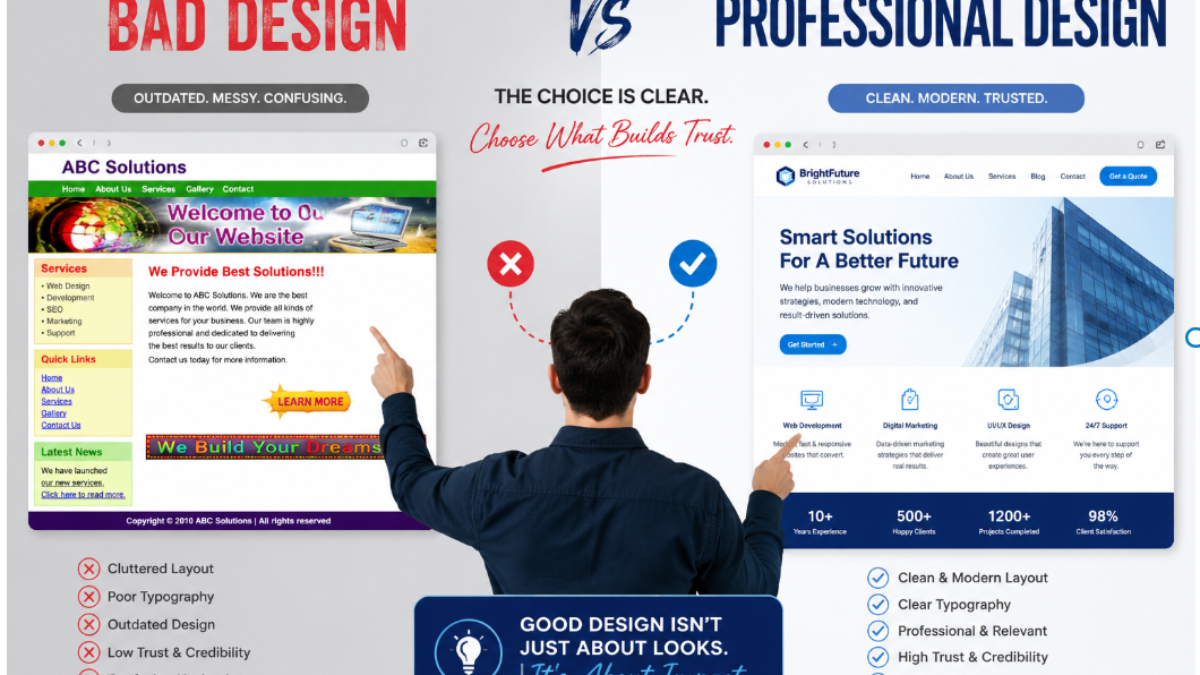
- Professional web design
Strong branding helps businesses stand out while creating a memorable identity that audiences can easily recognise.
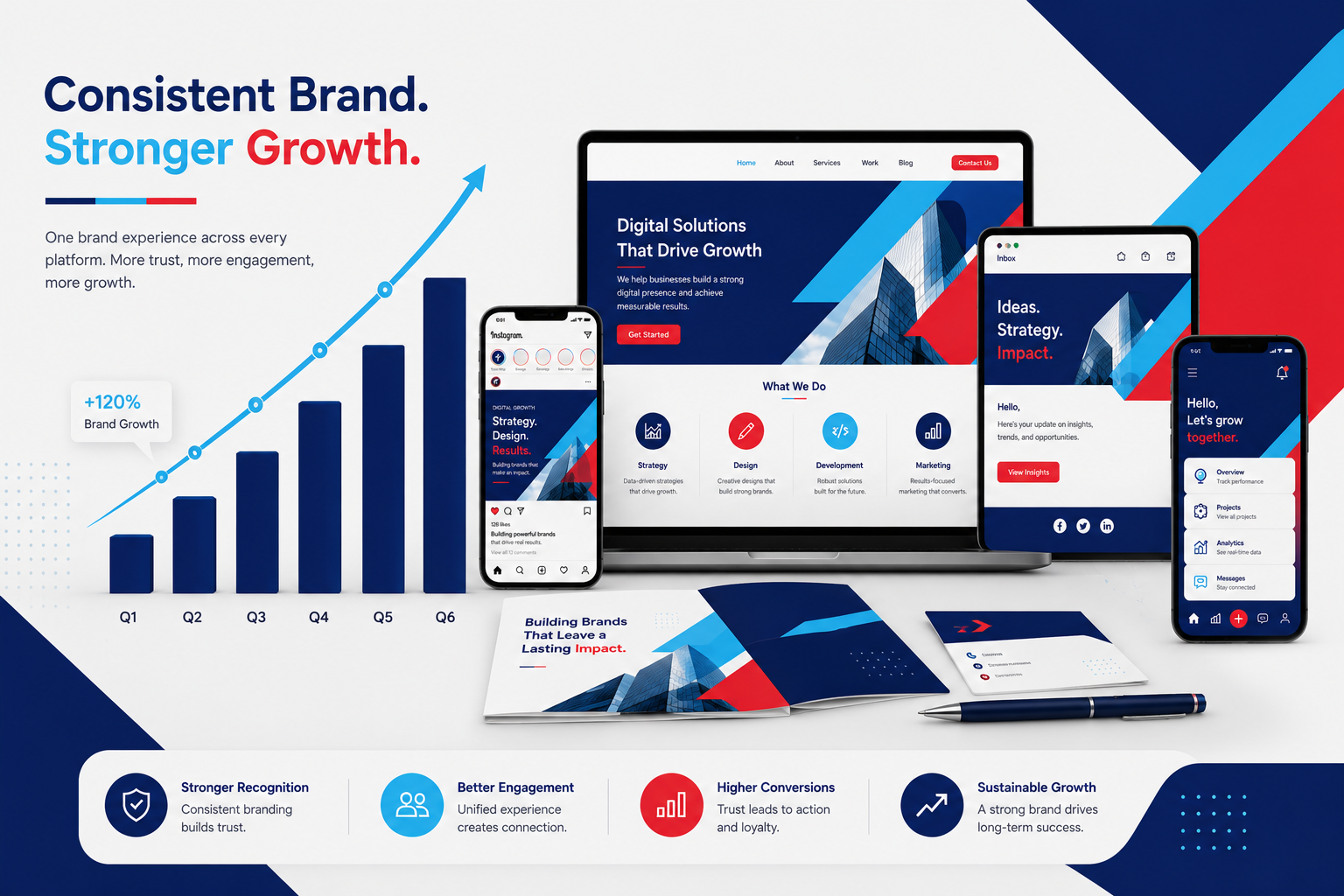
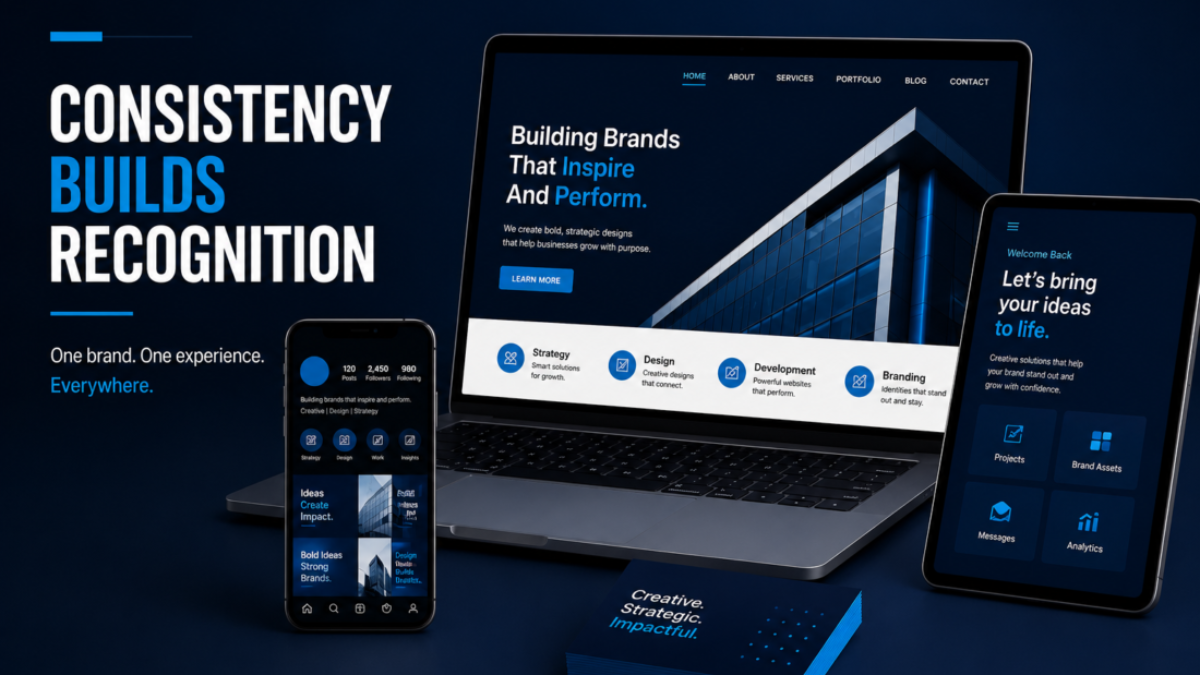
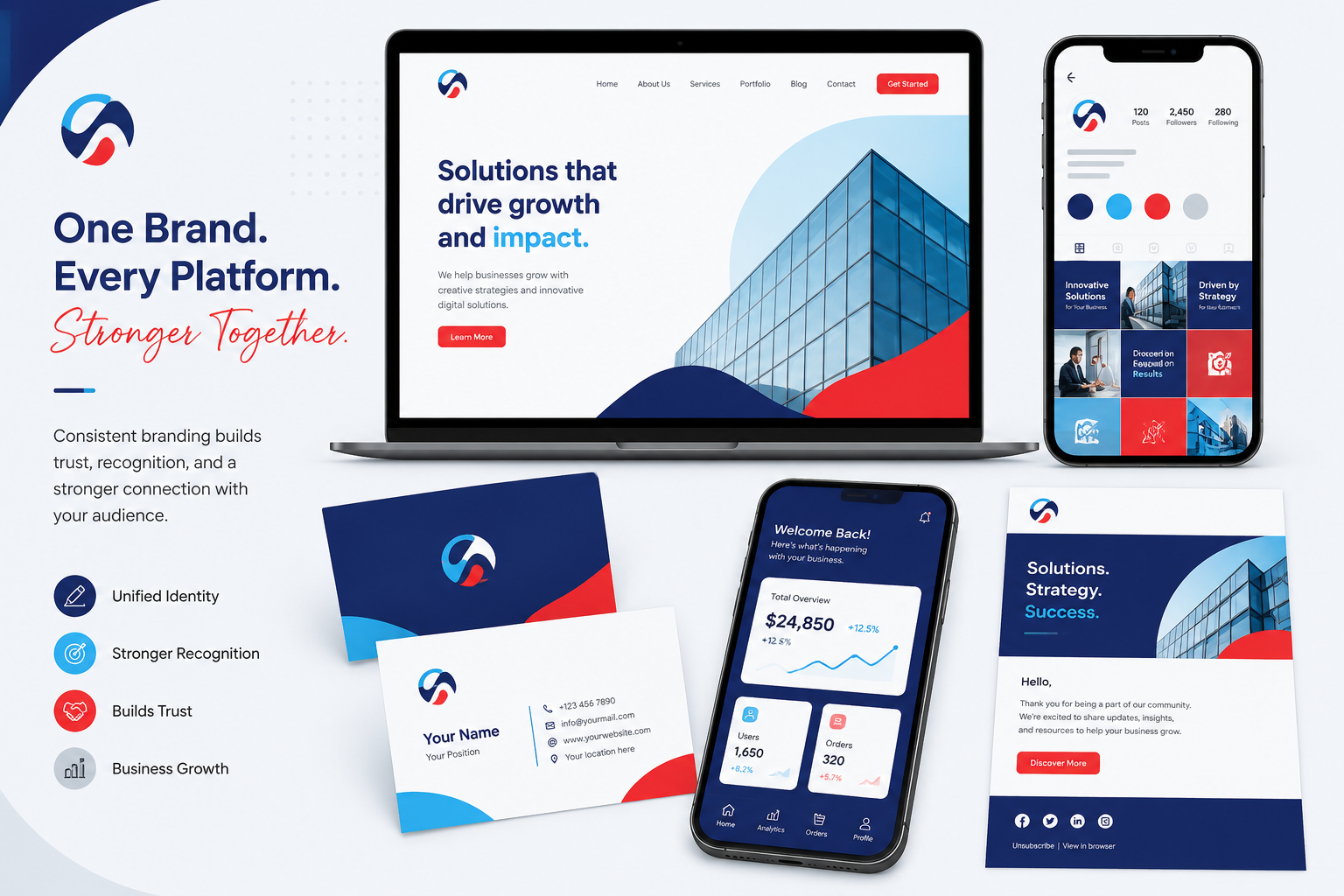
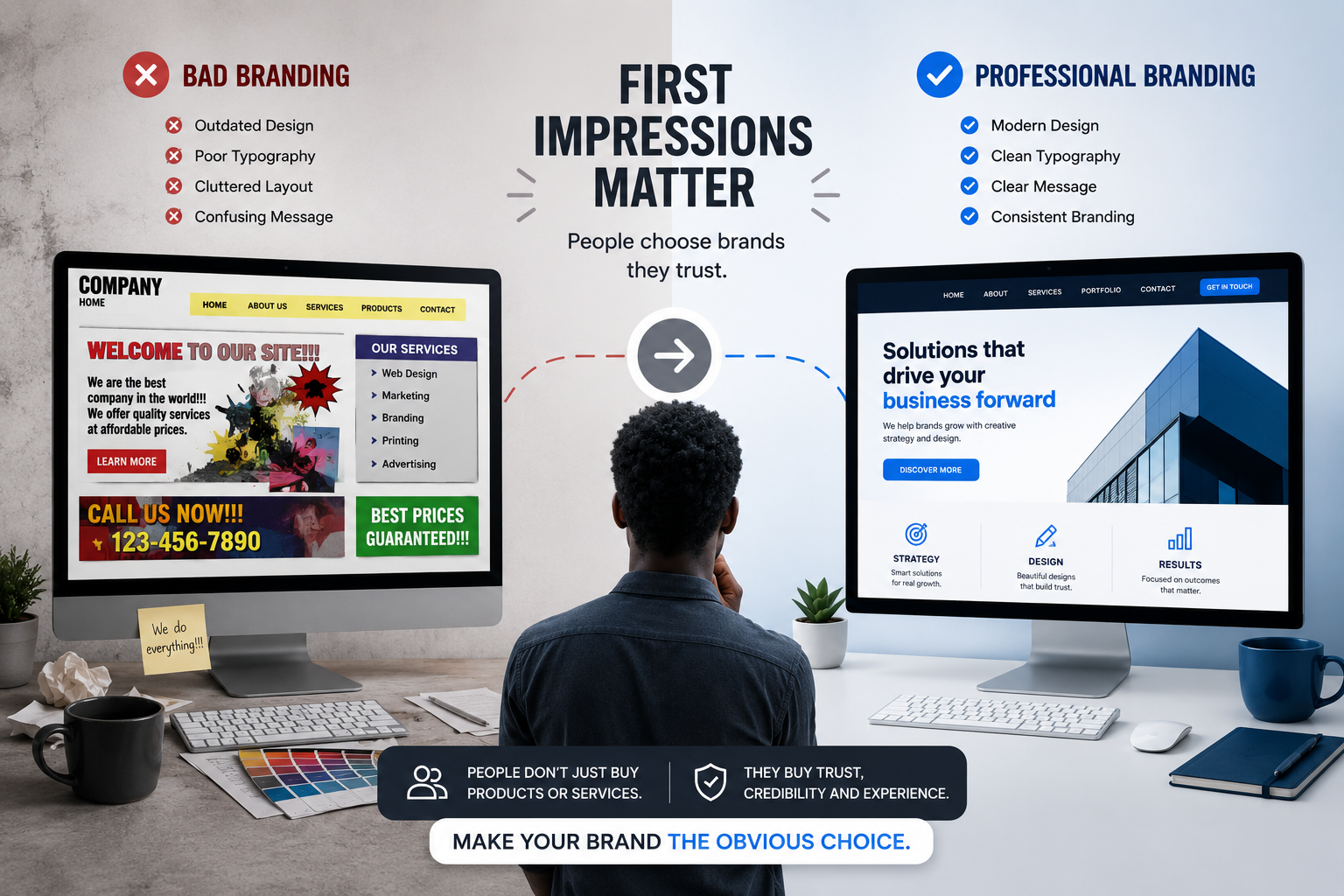
In digital marketing, branding and consistency work together to strengthen audience trust and improve long-term visibility. Businesses with poor branding often struggle to maintain audience attention because their messaging appears inconsistent or unprofessional.
Professional branding also increases perceived value, making audiences more likely to trust the business and engage with its services.
SEO and Niche Audiences
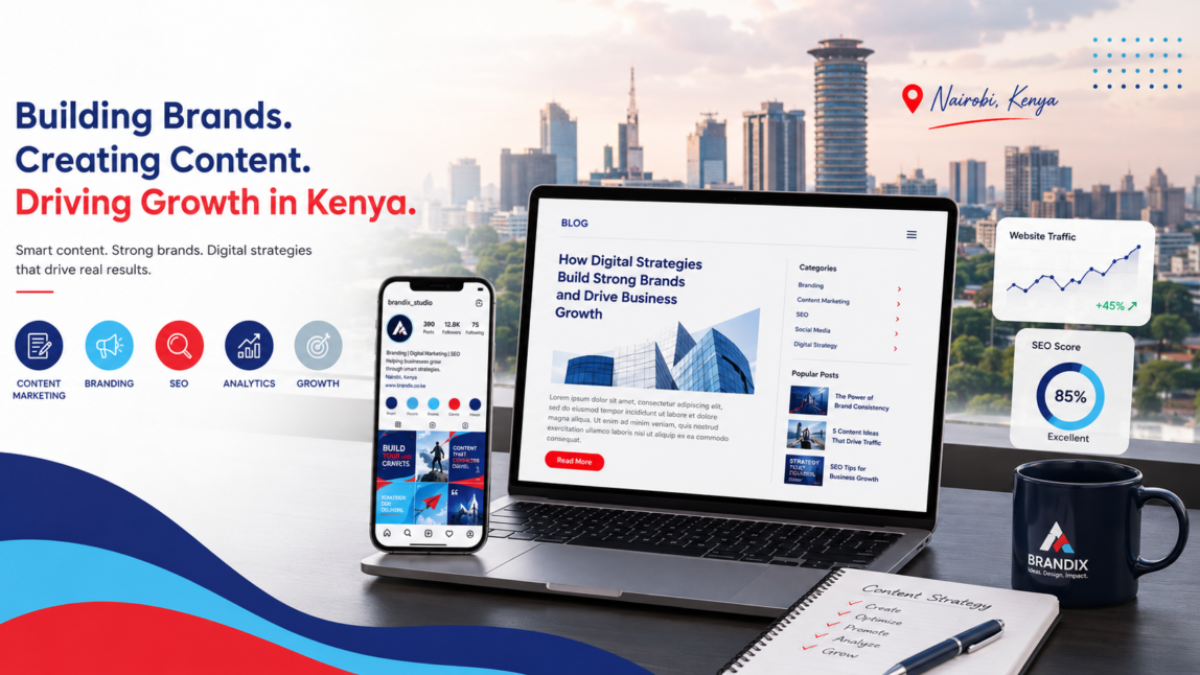
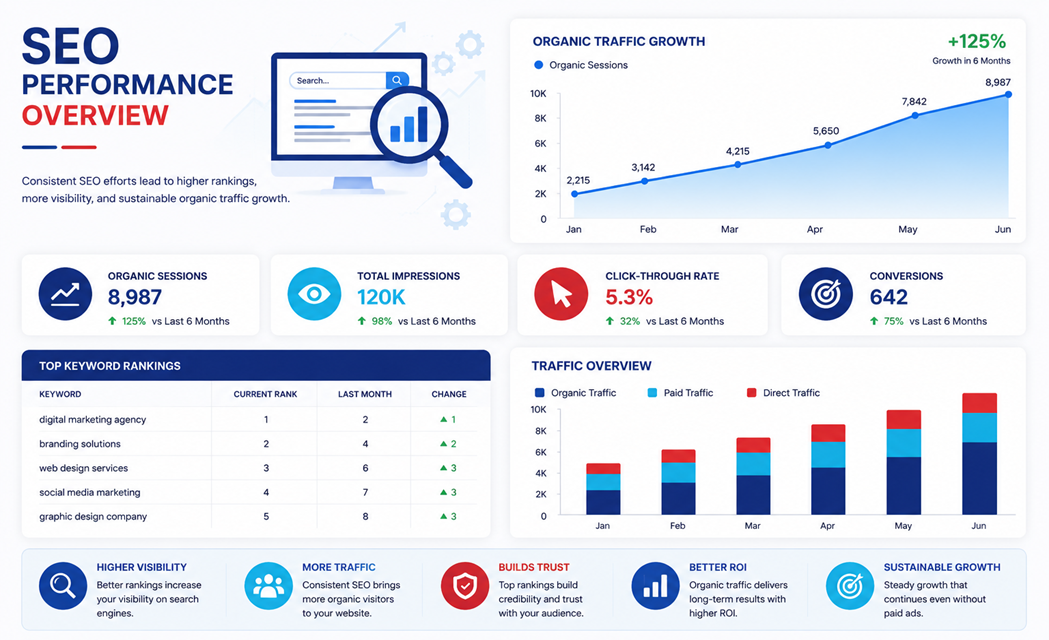
Search engine optimisation (SEO) is another important strategy for targeting niche audiences. SEO helps businesses appear in search engine results when users search for specific products, services, or information online.
Instead of targeting broad keywords, businesses targeting niche audiences should focus on more specific search terms.
For example:
Instead of using “real estate”, a business may target “affordable land in Nairobi”
Specific keywords help businesses attract more relevant traffic from audiences already interested in their services.
SEO strategies may include:
- Keyword optimization
- Blogging
- Website optimization
- Mobile-friendly web design
- Quality backlinks
- Fast-loading websites
Businesses that consistently publish high-quality SEO content improve their visibility and increase opportunities for organic traffic growth.
SEO also supports long-term marketing success because optimised content can continue attracting traffic long after it has been published.
Measuring Results and Improving Strategy
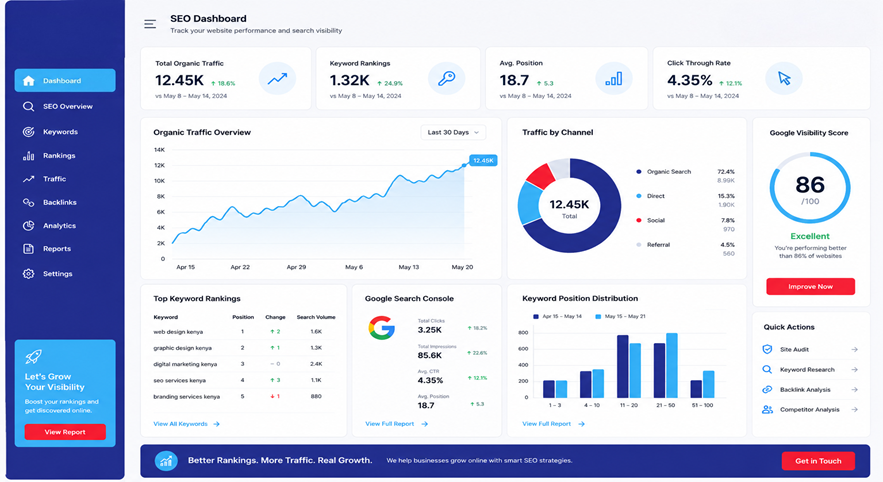
Successful niche marketing requires continuous analysis and improvement. Businesses should regularly monitor performance metrics to understand what is working and where improvements are needed.
Important metrics include:
- Website traffic
- Engagement rates
- Conversion rates
- Audience growth
- Click-through rates
- Social media performance
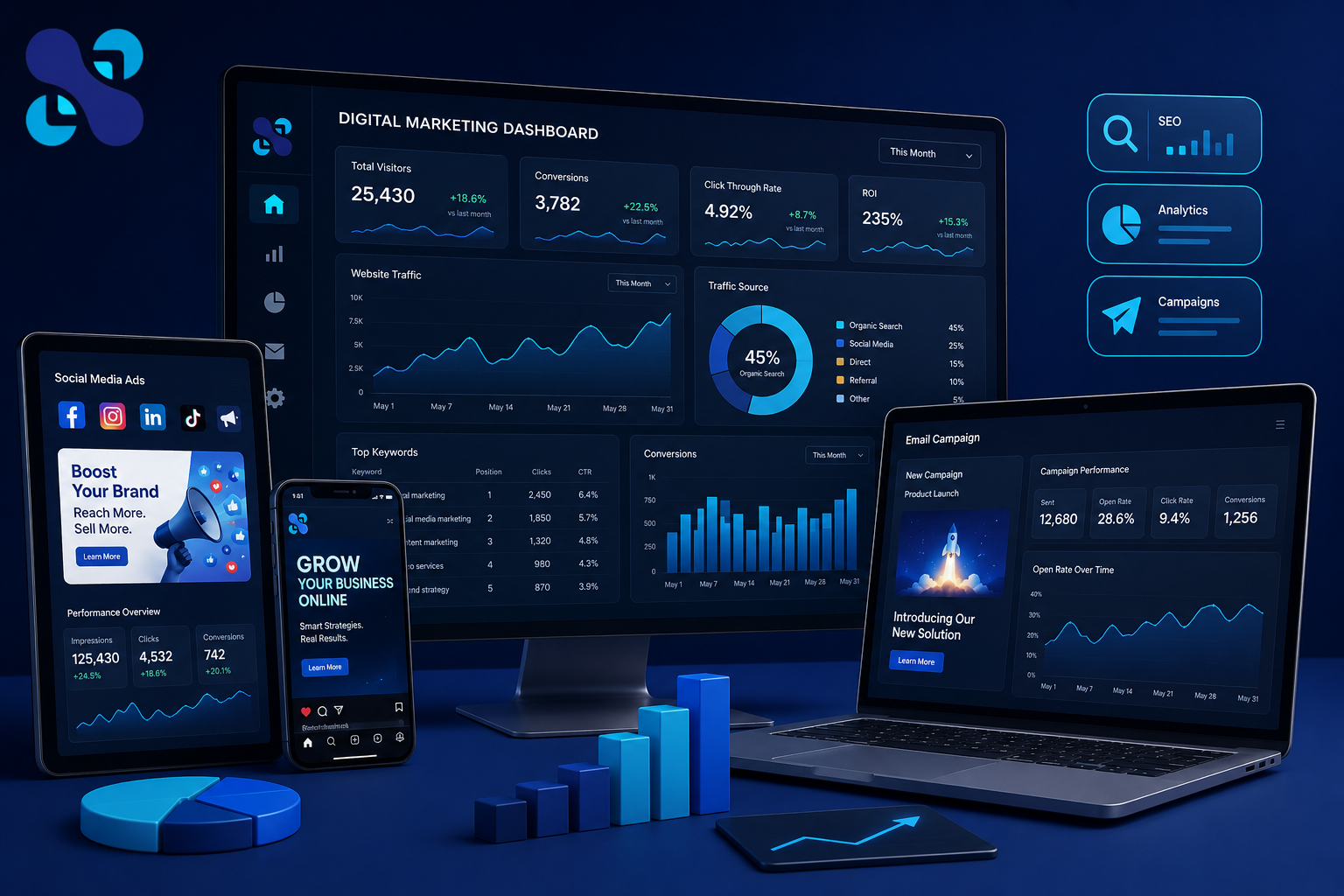
Analytics tools help businesses understand audience behaviour and improve future marketing strategies.
Businesses that analyse data consistently are able to:
- Improve targeting
- Create better content
- Optimize campaigns
- Increase engagement
- Improve conversion rates
Digital marketing is constantly evolving, and businesses that adapt their strategies based on audience behaviour are more likely to achieve long-term success.
Targeting niche audiences through digital marketing allows businesses to create stronger customer relationships, improve engagement, and achieve more effective business growth. Instead of trying to market to everyone, businesses that focus on specific audiences create more personalised experiences that build trust and increase conversions.
Through strategic branding, social media marketing, SEO, content creation, and audience research, businesses can position themselves more effectively within competitive digital spaces.
In today’s modern digital world, understanding your audience is no longer optional. Businesses that successfully identify and target niche audiences are more likely to build sustainable visibility, stronger brand authority, and long-term business success.
To get professional help and get the right services, you can email us at hello@rtsalvatore.net or call us through 0707079107