
feature image

How to Make Your Business Stand Out as an Industry Leader

Customers naturally gravitate toward businesses they perceive as experts. Whether you’re a startup or an established company, positioning your business as an industry leader can help you attract better opportunities, build trust, and stand out from competitors.

Industry leadership isn’t reserved for the biggest companies. It comes from consistently demonstrating expertise, delivering value, and creating a professional brand experience that customers remember.

Here are several practical ways to position your business as an industry leader.

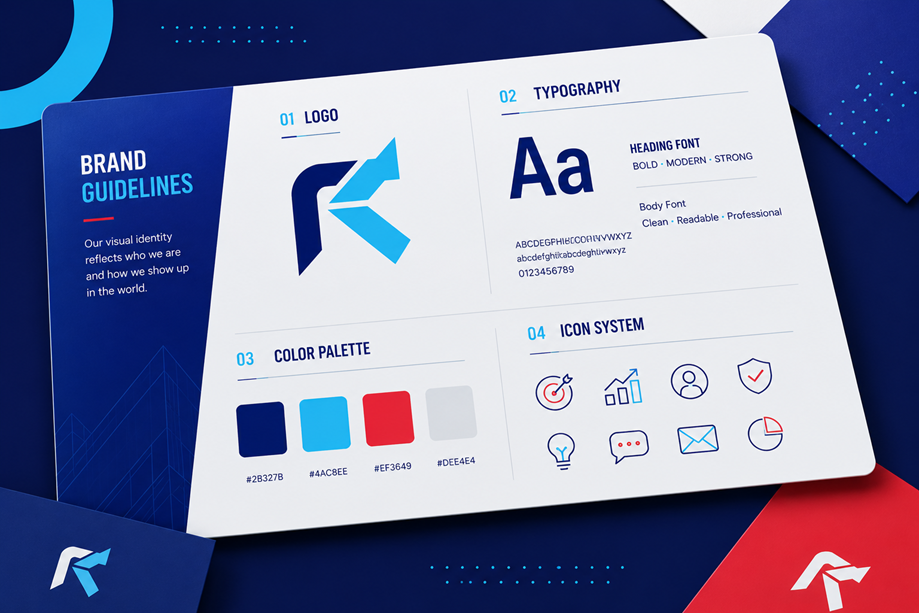
1. Build a Strong and Consistent Brand

Your brand is often the first impression customers have of your business. Consistent branding through your visuals, messaging, and customer interactions communicates professionalism and reliability.

Businesses that appear polished and intentional are more likely to be perceived as leaders.

2. Share Valuable Knowledge

Industry leaders educate their audience. Publish, blogs, guides, case studies, social media insights, and helpful resources.

Providing value positions your business as a trusted source of expertise rather than just another service provider.

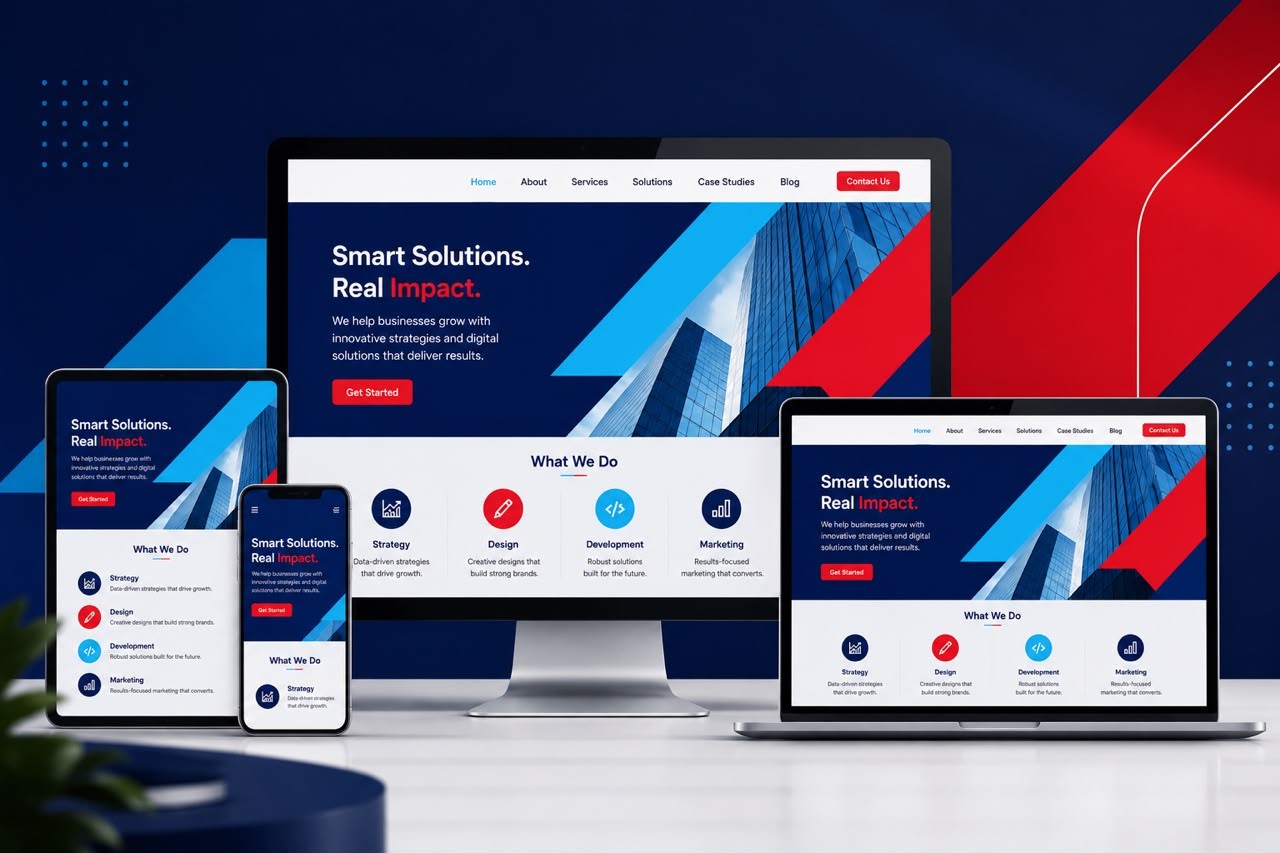
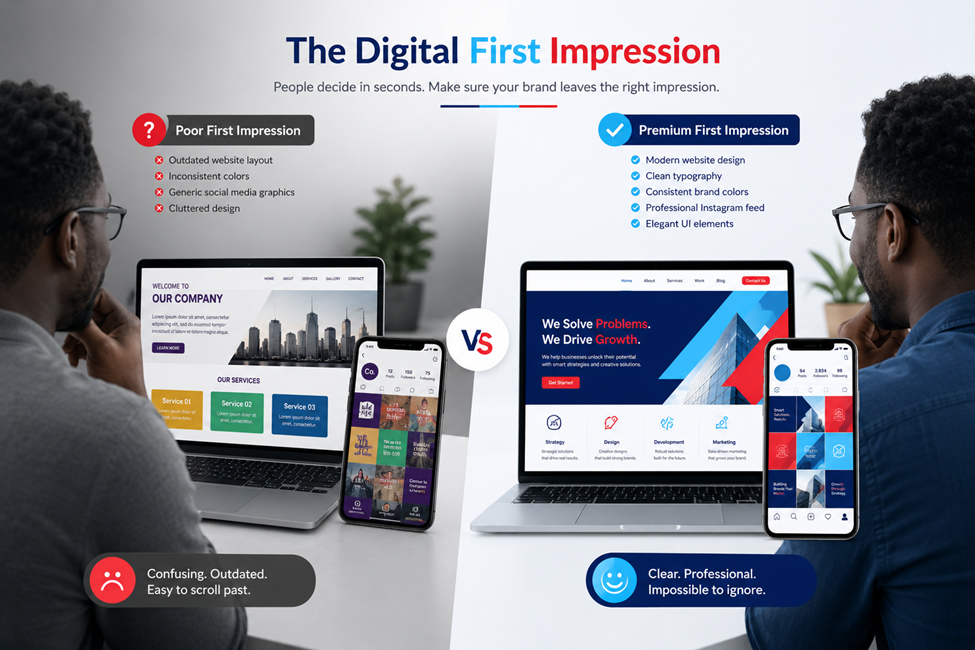
3. Invest in a Professional Online Presence

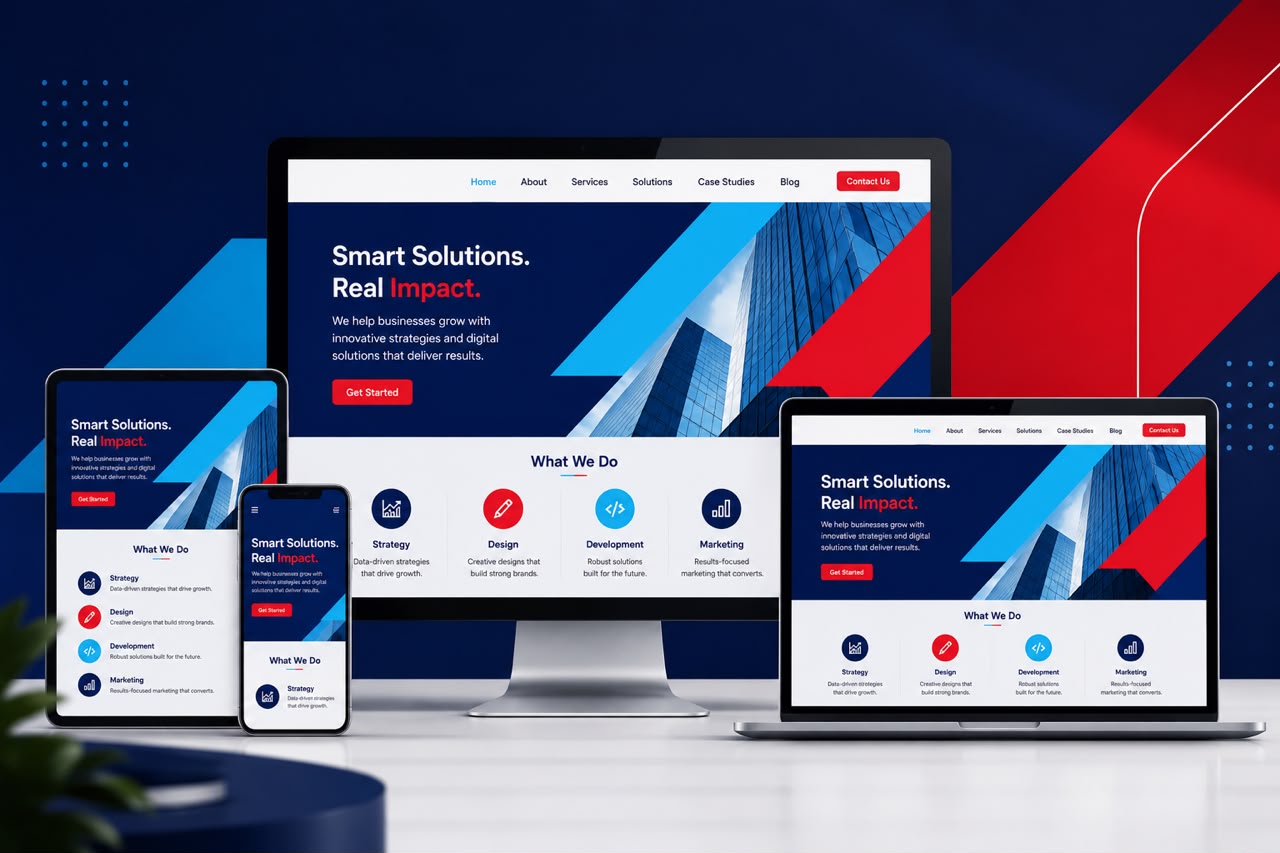
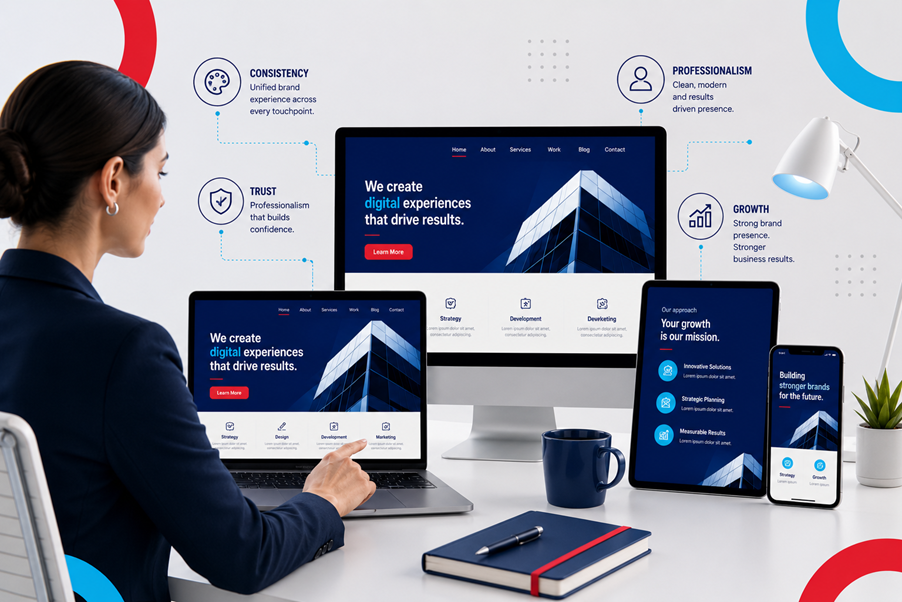
A modern website and polished digital presence strengthen credibility.

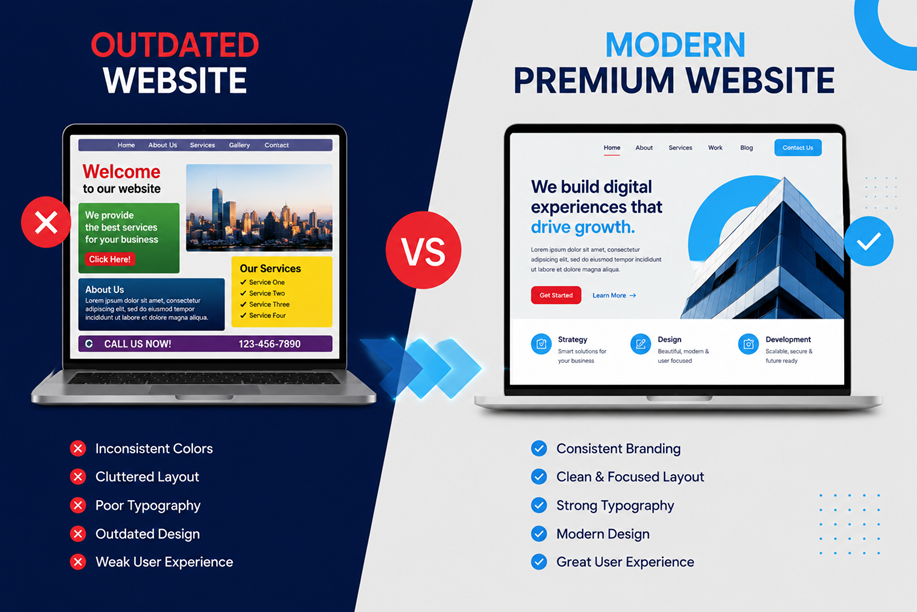
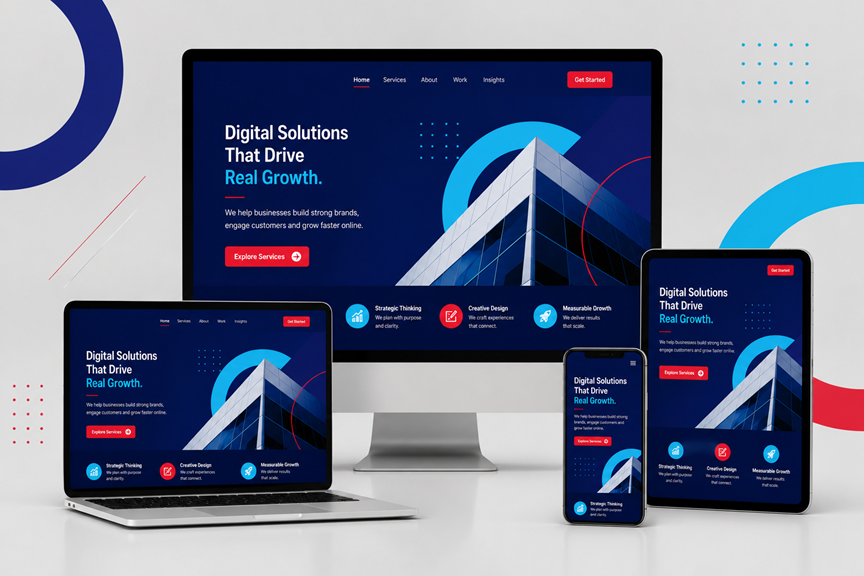
Your website should be: fast, mobile-friendly, easy to navigate, and aligned with your brand identity.

Customers often judge your expertise based on your online presentation.

Invest in a Professional Online Presence

4. Be Consistent in Your Communication

Leaders communicate clearly and consistently.

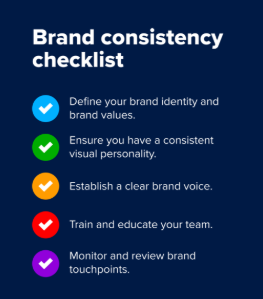
Ensure your tone of voice, messaging, visuals, and values remain aligned across all platforms.

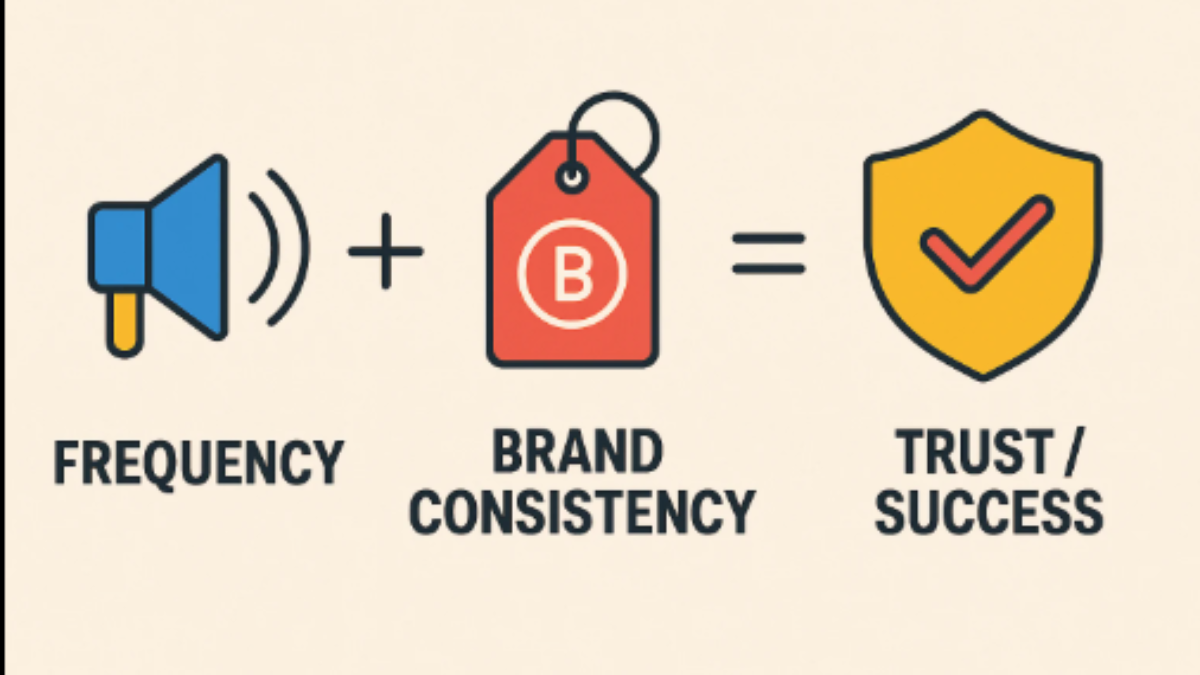
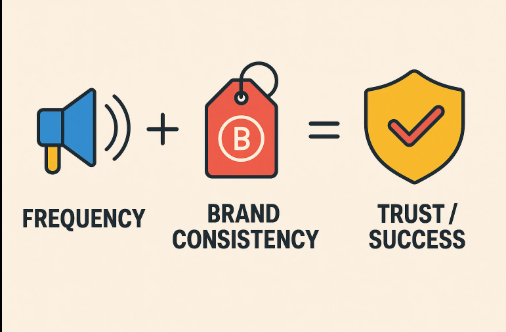
Consistency builds familiarity, and familiarity builds trust.

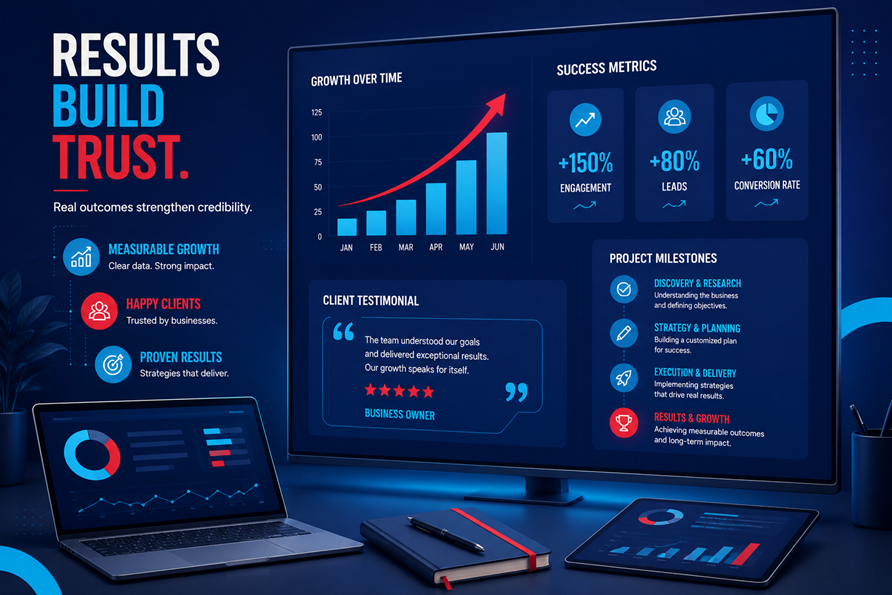
5. Showcase Results and Success Stories

People trust proof.

Share client testimonials, project outcomes, before-and-after transformations,and case studies.

Demonstrating real results reinforces your authority.

Showcase Results and Success Stories in Industry leader

6. Focus on Relationships, Not Just Sales

Industry leaders build communities. Listen to customer feedback, engage with your audience, and prioritize long-term relationships over quick wins.

Businesses that genuinely care about their customers earn loyalty and referrals.

7. Keep Evolving

Markets change, technologies evolve, and customer expectations shift. The businesses that remain industry leaders are those that continue learning, adapting, and improving.

Innovation and continuous improvement help maintain relevance and authority.

Positioning your business as an industry leader doesn’t happen overnight. It requires consistency, expertise, professionalism, and a commitment to delivering value. Businesses that invest in these areas are more likely to earn trust, attract high-quality customers, and create a lasting competitive advantage.

Leadership isn’t about being the loudest voice in the room. It’s about becoming the business people naturally trust and remember.

To get professional help and get the right services, you can email us at hello@rtsalvatore.net or call us through 0707079107.

feature image

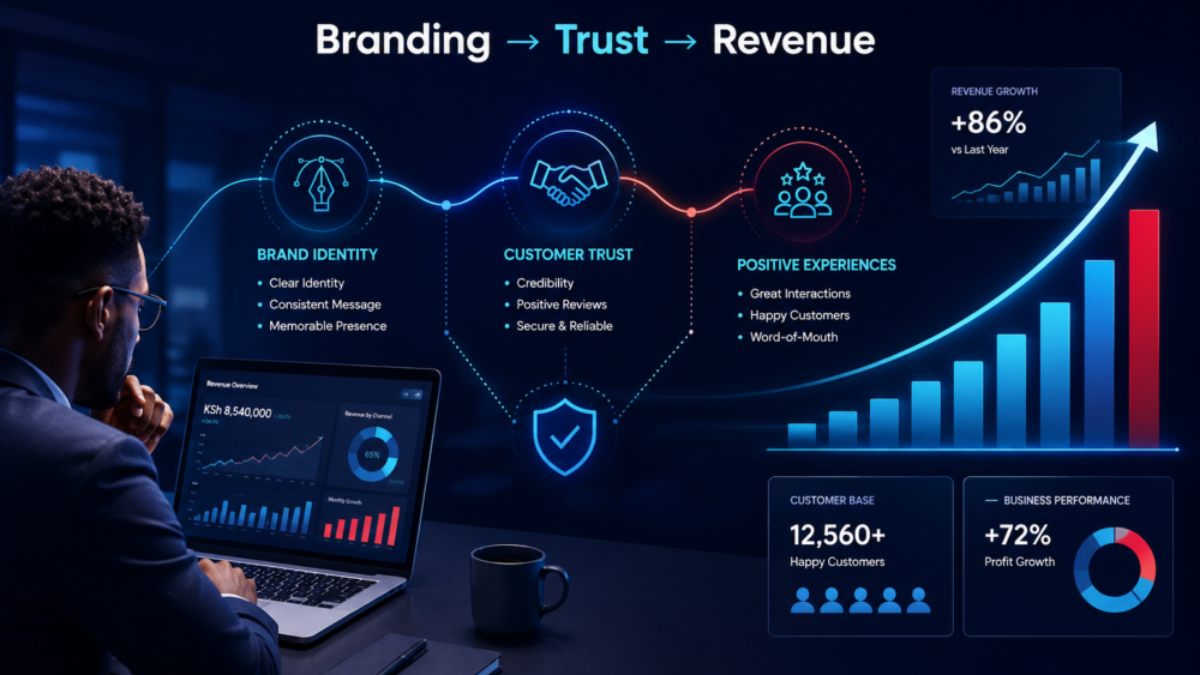
How Great Branding Turns Trust Into Profit

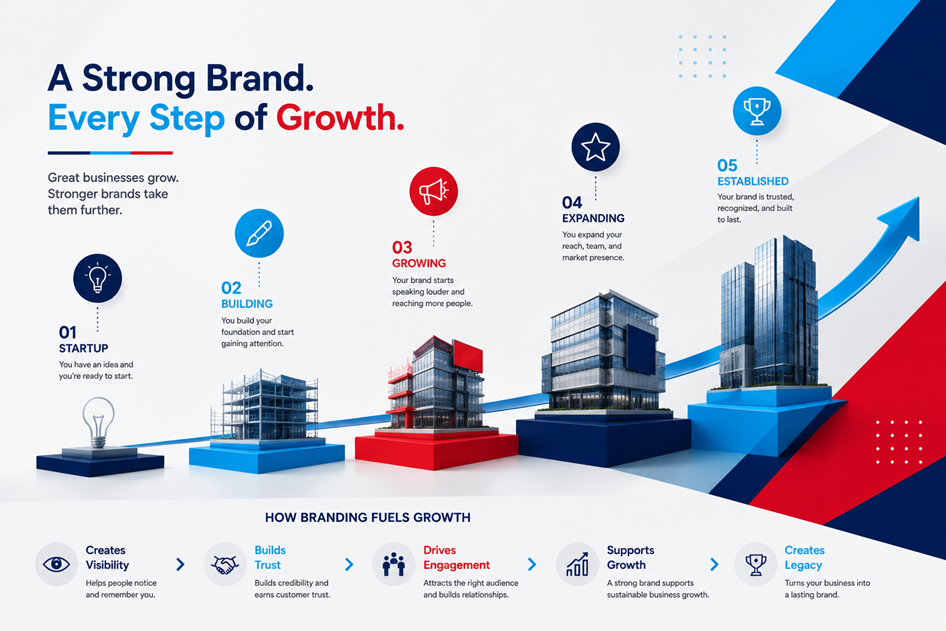
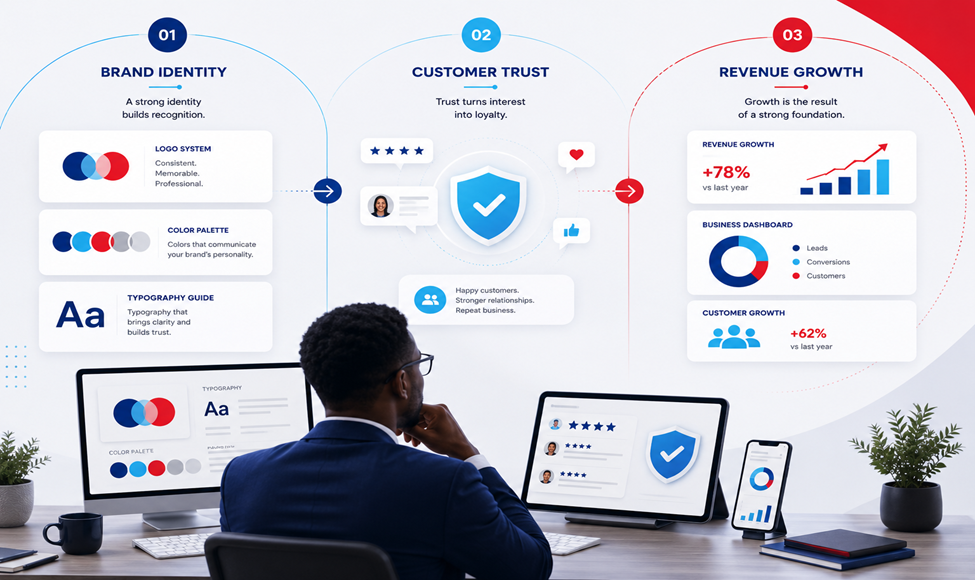
Branding influences how customers perceive your business, whether they trust you, and ultimately, whether they choose to spend money with you. The relationship between branding, trust, and revenue is stronger than many business owners realise.

Businesses that invest in building a credible and consistent brand often enjoy stronger customer relationships, increased loyalty, and improved financial performance.

1. Branding Creates First Impressions

Before customers speak to your team, visit your office, or make a purchase, they interact with your brand.

They judge:

  • Your website
  • Your social media presence
  • Your marketing materials
  • Your visual identity
  • Your messaging

These first impressions shape whether your business appears professional, reliable, and worth considering. Strong branding helps customers feel confident from the very beginning.

Branding Creates First Impressions

2. Trust Reduces Buying Hesitation

Customers naturally seek businesses they can trust. When your branding is consistent and professional, it signals:

  • Stability
  • Competence
  • Reliability
  • Attention to detail

Trust reduces uncertainty.

Instead of asking,
“Can this business deliver?”

Customers begin thinking,
“This company looks like they know what they’re doing.”

The less doubt customers have, the easier it becomes for them to make purchasing decisions. 

3. Strong Brands Command Higher Value

People often associate strong brands with higher quality. Think about the brands you personally trust. Chances are, they consistently communicate professionalism and deliver a cohesive experience.

Businesses with strong branding often find it easier to:

  • Charge premium prices
  • Attract higher-value clients
  • Compete on value rather than price
  • Increase customer loyalty

Branding shifts the conversation away from being the cheapest option. 

Strong Brands Command Higher Value

4. Consistency Strengthens Recognition

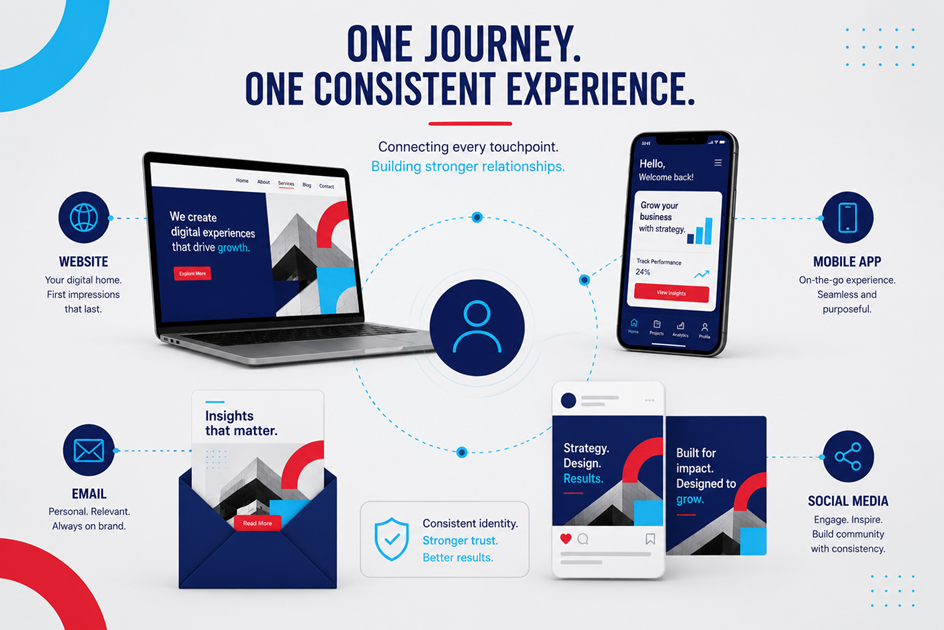
Recognition builds familiarity. The more consistently customers encounter your brand across websites, social media, emails, and advertisements, the easier it becomes for them to remember you.

Consistency helps businesses remain top of mind when customers are ready to buy. This long-term familiarity creates a powerful competitive advantage.

5. Trust Leads to Referrals and Repeat Business

Revenue doesn’t only come from first-time customers. Satisfied customers who trust your business are more likely to:

  • Return for future purchases
  • Recommend your services
  • Leave positive reviews
  • Refer friends and colleagues

Trust transforms customers into advocates. Over time, these relationships contribute significantly to business growth.

6. Revenue Is the Result of Strong Brand Experiences

Revenue is often viewed as the outcome of marketing campaigns and sales efforts alone. However, branding influences every stage of the customer journey.

Strong branding:

  • Attracts attention
  • Builds trust
  • Improves recognition
  • Encourages loyalty
  • Supports referrals

Together, these factors create an environment where revenue growth becomes more sustainable.

Revenue Is the Result of Strong Brand Experiences

Branding is far more than visual design. It shapes how customers perceive your business, determines whether they trust you, and influences the decisions that generate revenue.

Businesses that invest in strong branding are not simply creating attractive visuals. They are building credibility, nurturing customer relationships, and laying the foundation for long-term growth. In today’s competitive marketplace, trust is one of the most valuable assets a business can earn and effective branding is one of the most powerful ways to achieve it.

To get professional help and get the right services, you can email us at hello@rtsalvatore.net or call us through 0707079107.

feature image

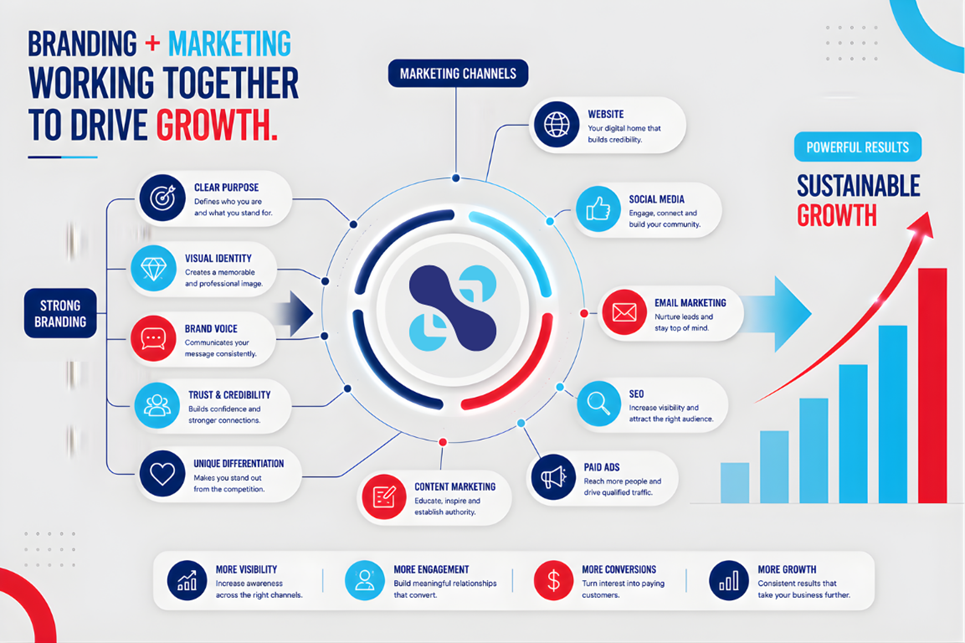
Why Branding and Digital Marketing Work Better Together

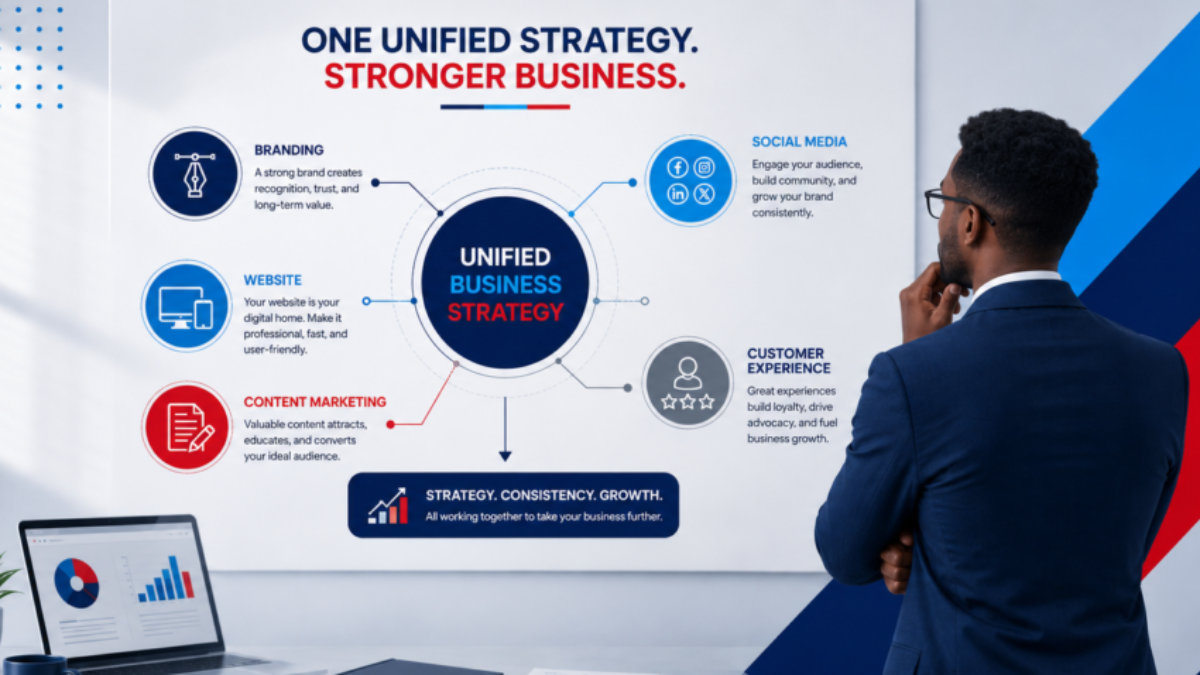
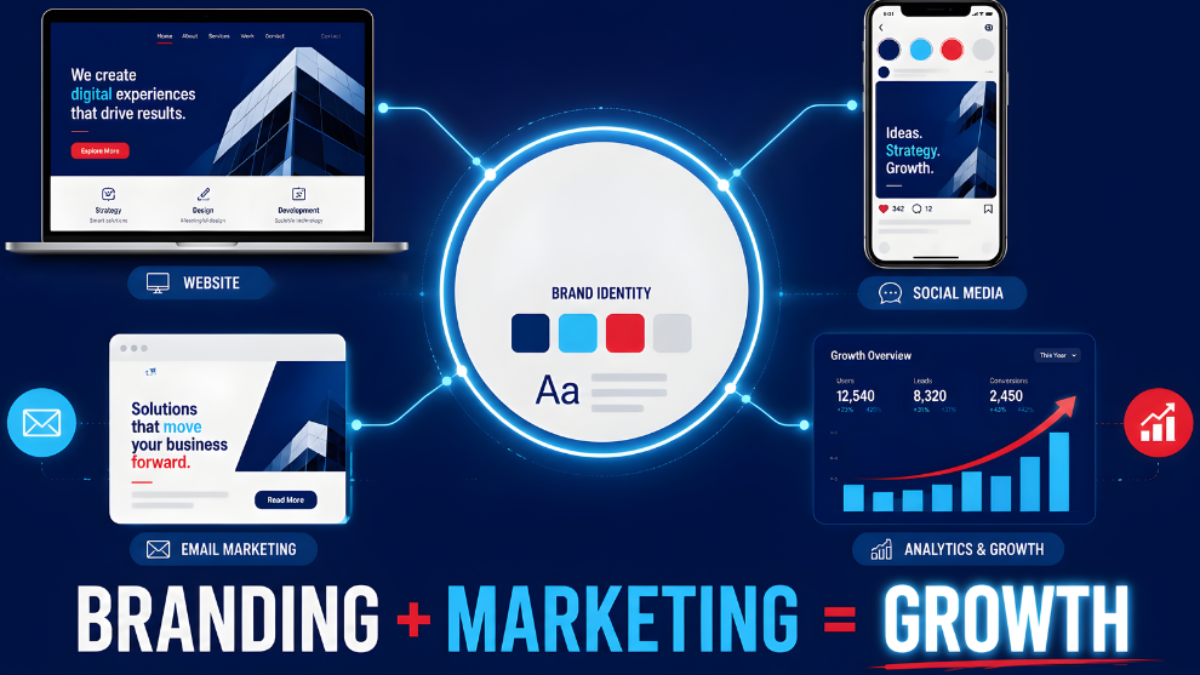
Many businesses treat branding and digital marketing as separate strategies. In reality, they work best when combined. While branding shapes how people perceive your business, digital marketing helps deliver that message to the right audience.

Without strong branding, marketing campaigns can struggle to build trust and recognition. Without effective marketing, even the strongest brand may go unnoticed. Together, branding and digital marketing create a powerful foundation for business growth.

What Is Branding?

Branding is the identity of your business. It includes:

  • Logo design
  • Brand colors
  • Typography
  • Messaging
  • Tone of voice
  • Customer perception

Branding is not simply about how a business looks. It is about how customers remember and experience your company. Strong branding helps businesses:

  • Build recognition
  • Create trust
  • Stand out from competitors
  • Develop customer loyalty
What Is Branding

What Is Digital Marketing?

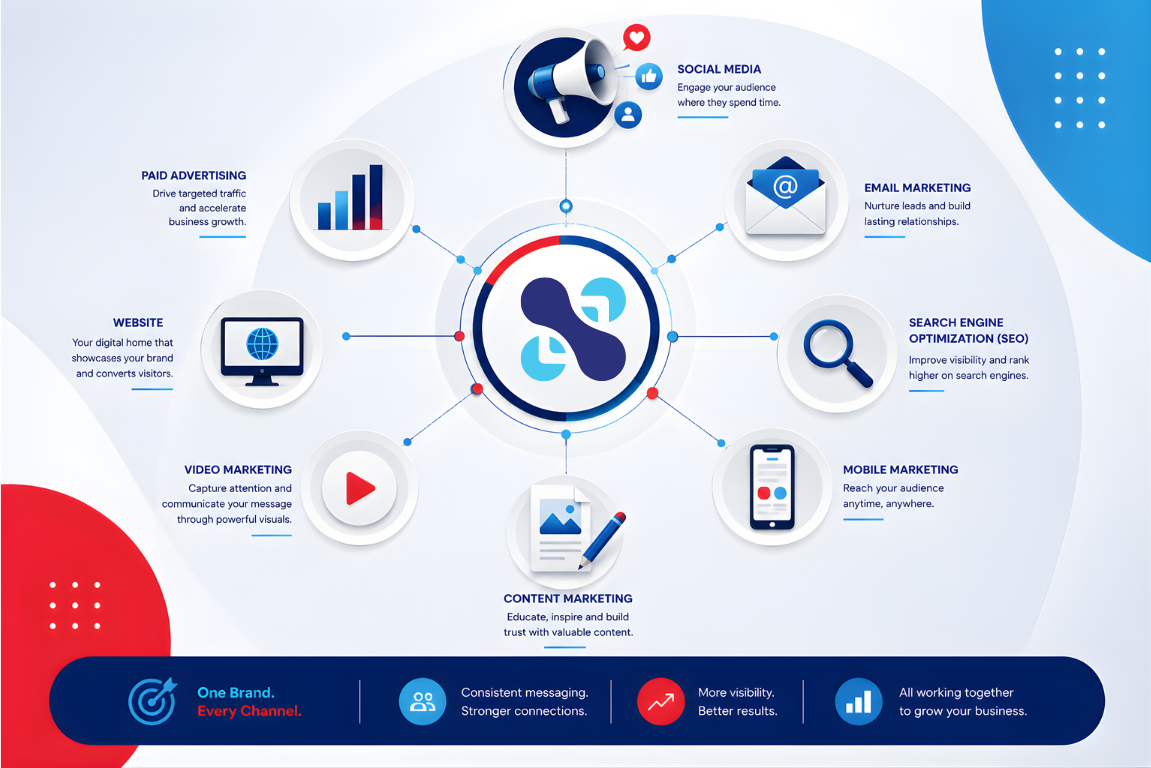
Digital marketing is the process of promoting your business online. It includes:

  • Social media marketing
  • Search engine optimization (SEO)
  • Content marketing
  • Email marketing
  • Google Ads
  • Online advertising

The goal of digital marketing is to attract, engage, and convert potential customers. While branding creates the message, digital marketing helps distribute it. 

What Is Digital Marketing

How Branding Supports Digital Marketing

1. Branding Creates Recognition

People are more likely to engage with businesses they recognize. Consistent branding across websites, social media, advertisements, and email campaigns helps customers remember your business.

The more familiar your brand becomes, the easier it is for marketing campaigns to generate results.

2. Branding Builds Trust

Trust is essential in digital marketing.

Before making a purchase or submitting an inquiry, customers often evaluate whether a business appears credible.

Professional branding signals:

  • reliability
  • professionalism
  • expertise

Strong branding makes marketing messages more believable and effective.

3. Branding Improves Advertising Performance

Advertising can drive traffic, but branding influences how people respond.

A well-branded advertisement is often:

  • more memorable
  • more trustworthy
  • more engaging

Businesses with strong branding often see better performance from their marketing campaigns because customers already have confidence in the brand.

How Digital Marketing Supports Branding

1. Digital Marketing Increases Brand Visibility

A great brand is only valuable if people see it.

Digital marketing helps businesses: reach new audiences, increase awareness, and expand visibility.

Every social media post, blog article, and advertisement creates another opportunity for customers to discover your brand.

2. Content Marketing Strengthens Brand Authority

Educational content helps businesses demonstrate expertise.

Blogs, videos, guides, and social media content allow businesses to position themselves as trusted industry leaders.

The more value a business provides, the stronger its brand becomes.

3. Marketing Reinforces Brand Consistency

Digital marketing provides repeated exposure to your brand.

When customers repeatedly encounter the same: visual identity, messaging, and tone of voice, they begin to associate those elements with your business. Consistency strengthens brand recognition over time.

Why Businesses Need Both Branding and Digital Marketing

Branding and digital marketing are most effective when they work together.

Branding answers:

“Who are we?”

Digital marketing answers:

“How do we reach the right audience?”

Without branding, marketing lacks direction.

Without marketing, branding lacks visibility.

Businesses that invest in both create stronger customer experiences, build trust faster, and generate better long-term results.

Why Businesses Need Both Branding and Digital Marketing

Branding and digital marketing should not be viewed as separate investments. Branding creates recognition, trust, and identity. Digital marketing amplifies that identity and connects it with potential customers.

When combined, they help businesses attract attention, build credibility, and achieve sustainable growth. The most successful businesses understand that branding and marketing are not competing strategies, they are partners in growth.

To get professional help and get the right services, you can email us at hello@rtsalvatore.net or call us through 0707079107.

feature image

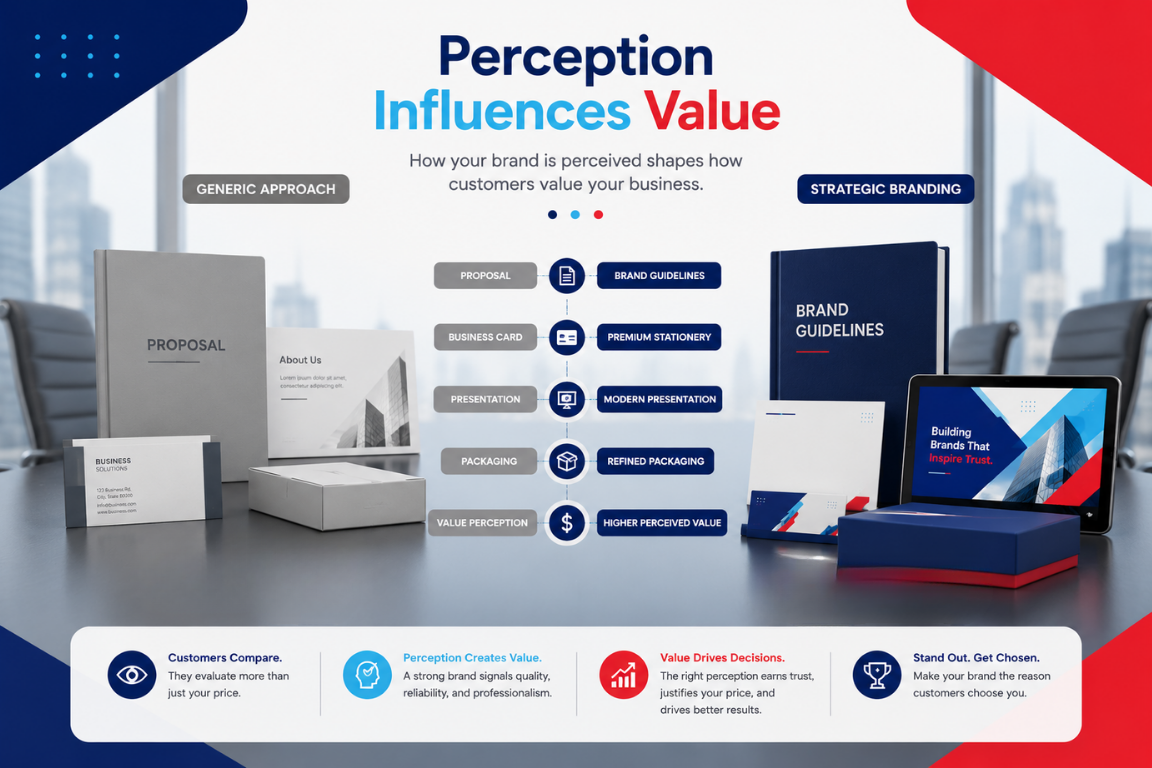
How Strong Branding Helps You Charge More

Strong branding does more than make a business look professional, it influences how customers perceive value. In today’s competitive marketplace, businesses with strong branding often find it easier to charge premium prices because customers associate their brand with quality, trust, and credibility.

Many customers are willing to pay more for products or services from brands they recognise and trust. This is why two businesses offering similar solutions can charge vastly different prices. The difference often lies in the strength of their branding.

1. Strong Branding Increases Perceived Value

Customers don’t simply buy products or services, they buy confidence in the outcome.

A strong brand creates a perception of:

  • Quality
  • Expertise
  • Reliability
  • Professionalism

When a business presents itself professionally through consistent branding, customers often perceive its offerings as more valuable.

As a result, pricing becomes less about cost and more about perceived value.

Strong Branding Increases Perceived Value

2. Branding Builds Trust Before the Sale

Trust plays a significant role in purchasing decisions.

Before customers contact your business, they often evaluate:

  • Your website
  • Social media presence
  • Marketing materials
  • Brand identity

Strong branding creates a professional and consistent experience that reassures potential customers they are dealing with a credible business.

When trust increases, customers become less focused on finding the cheapest option and more focused on choosing the right one.

3. Premium Brands Compete on Value, Not Price

Businesses with weak branding often compete primarily on price.

This creates challenges because:

  • Lower prices reduce profit margins
  • Competitors can easily undercut pricing
  • Customers become price-sensitive

Strong brands position themselves differently.

Instead of competing on affordability, they compete on:

  • Expertise
  • Results
  • Customer experience
  • Reputation

This allows them to justify higher prices while attracting customers who prioritise quality.

Premium Brands Compete on Value, Not Price

4. Consistency Reinforces Professionalism

Customers expect consistency from businesses they trust.

Strong brands maintain consistent:

  • Visual identity
  • Messaging
  • Tone of voice
  • Customer experience

Whether a customer visits your website, sees your social media content, or receives an email, the experience should feel connected.

Consistency communicates professionalism, which supports premium pricing.

5. Strong Branding Attracts Higher-Quality Clients

Premium branding doesn’t just help businesses charge more, it helps attract better clients.

Businesses with strong branding often appeal to customers who:

  • Value quality
  • Seek expertise
  • Prioritize reliability
  • Are willing to invest in better solutions

These customers are typically less price-sensitive and more interested in long-term value. As a result, strong branding can improve both revenue and client quality.

6. Branding Creates Long-Term Competitive Advantage

Competitors can copy products, services, and pricing strategies. What they cannot easily replicate is a strong brand.

Over time, strong branding contributes to:

  • Customer loyalty
  • Brand recognition
  • Market authority
  • Higher perceived value

These advantages make it easier for businesses to maintain premium pricing while strengthening their market position.

Branding Creates Long-Term Competitive Advantage

How Businesses Can Strengthen Their Brand

To position your business for premium pricing:

Develop a Consistent Brand Identity

Use consistent colours, typography, messaging, and visual assets.

Invest in Professional Website Design

Your website should reflect the quality of your business.

Create High-Quality Content

Publish content that demonstrates expertise and builds trust.

Focus on Customer Experience

Every interaction should reinforce professionalism and value.

Maintain Brand Consistency

Consistency helps customers recognise and trust your business.

Strong branding is one of the most powerful tools a business can use to increase perceived value and justify premium pricing.

When customers trust your brand, recognise your expertise, and associate your business with quality, price becomes less of a deciding factor. Instead of competing on cost alone, businesses with strong branding compete on value, credibility, and customer experience.

In today’s digital marketplace, investing in branding is not simply about looking good, it is about creating a business that customers trust, remember, and are willing to pay more for.

To get professional help and get the right services, you can email us at hello@rtsalvatore.net or call us through 0707079107.

feature image

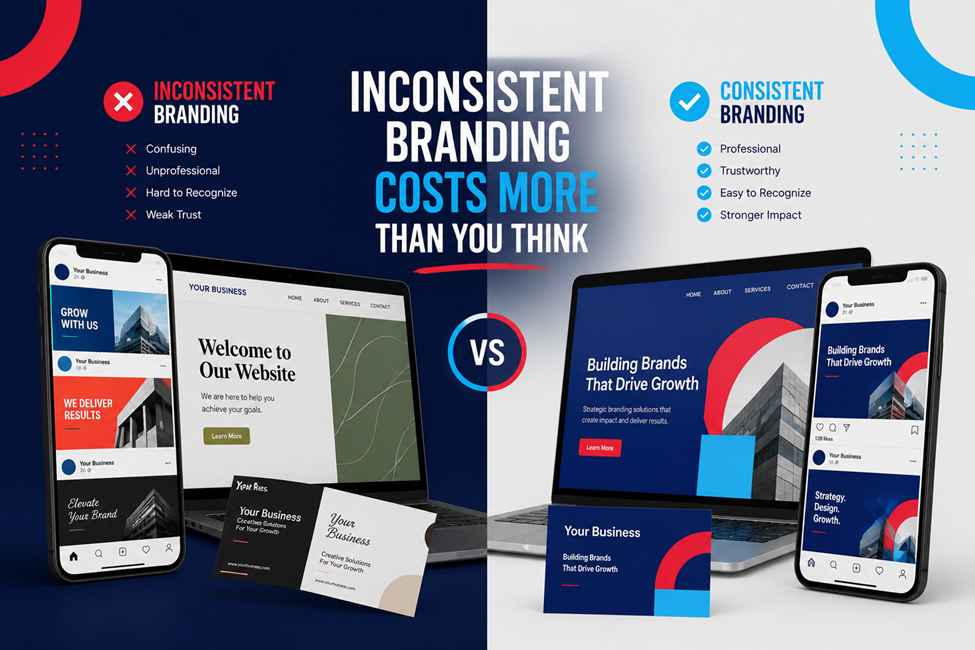
Inconsistent Branding: The Silent Business Growth Killer

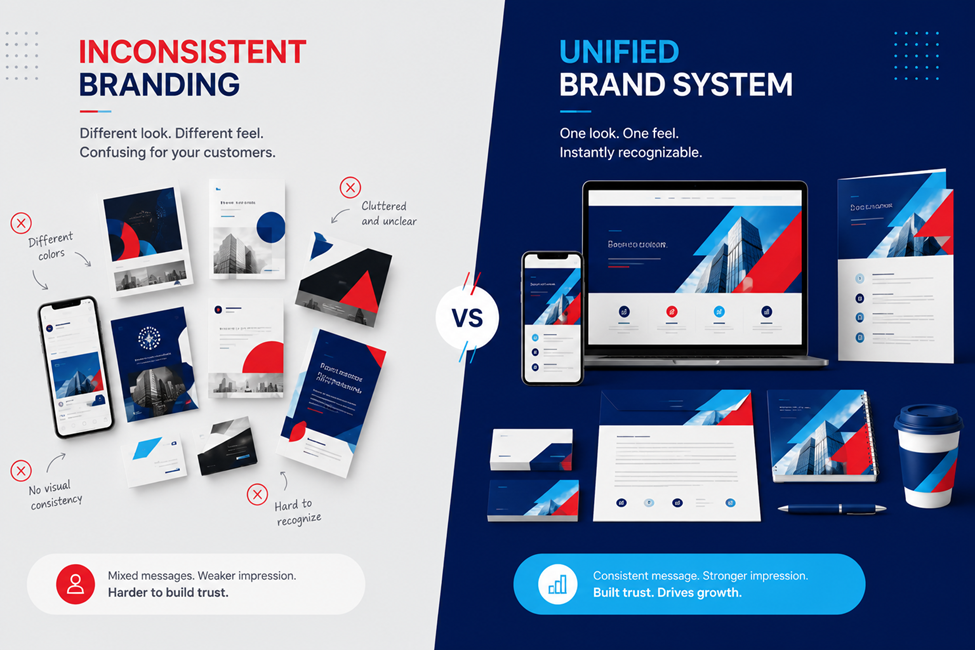
Inconsistent branding is a challenge many businesses underestimate. Companies invest in logos, websites, social media content, and marketing campaigns but often overlook one crucial factor: maintaining a consistent brand identity across every customer touchpoint.

At first glance, inconsistent branding may seem harmless. However, over time, it can affect customer recognition, create confusion, weaken trust, and limit business growth.

The hidden cost of inconsistent branding isn’t always immediately visible, but its long-term effects can significantly influence how customers perceive and engage with your business.


1. Inconsistent Branding Reduces Brand Recognition

One of the primary goals of branding is to make your business memorable.

When customers repeatedly see the same colours, typography, messaging, and visual identity, they begin to recognise and remember your brand more easily.

However, when a business uses different styles across platforms, recognition becomes much harder.

Examples include:

  • Different logo variations across channels
  • Inconsistent color schemes
  • Changing typography frequently
  • Different messaging styles

The more inconsistent your branding becomes, the harder it is for customers to identify your business.

Inconsistent Branding Reduces Brand Recognition


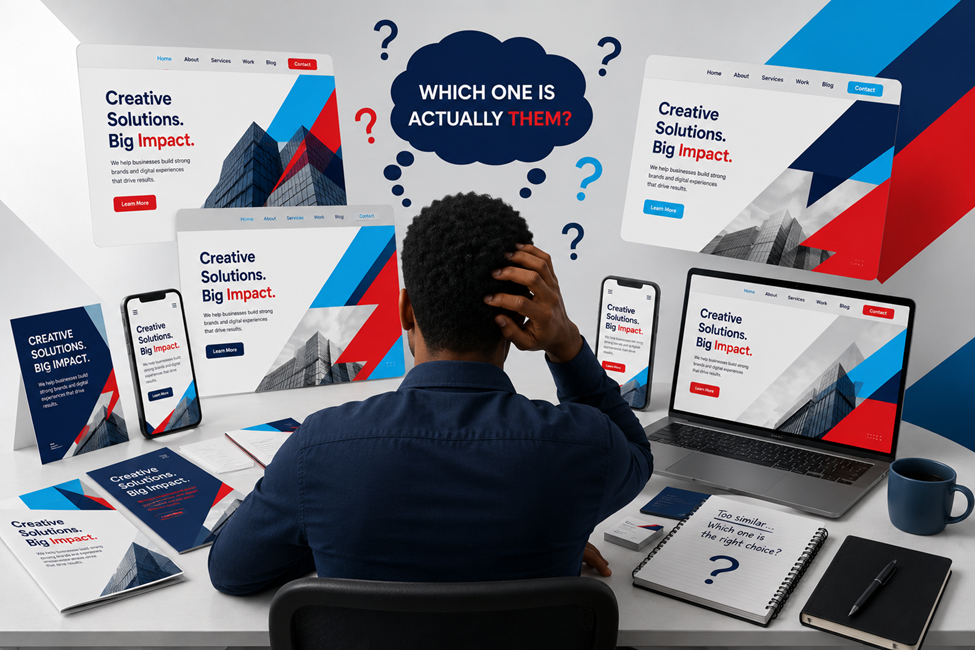
2. Customer Confusion Can Hurt Business Growth

Customers should instantly understand who you are and what your business represents.

When branding varies significantly across websites, social media platforms, email campaigns, and advertisements, customers may struggle to connect these experiences to the same company.

Confused customers are less likely to engage, enquire, or make purchasing decisions. Inconsistency creates unnecessary friction in the customer journey.


3. Trust Is Built Through Consistency

Trust is one of the most valuable assets a business can develop. Customers often associate consistency with professionalism, reliability, and competence.

Imagine visiting a company’s website and seeing one visual style, then visiting their social media profiles and encountering completely different branding.

This inconsistency can raise questions:

  • Is this the same company?
  • Is the business still active?
  • How professional are they?

While customers may not consciously identify branding inconsistencies, they often notice when something feels disconnected.

Trust Is Built Through Consistency


4. Marketing Becomes Less Effective

Marketing efforts become significantly stronger when supported by a recognisable brand.

Every advertisement, social media post, email campaign, and website visit should reinforce the same identity.

Without consistency:

  • Campaigns become less memorable
  • Brand recall decreases
  • Customer trust weakens
  • Marketing investments deliver lower returns

Businesses often spend more on advertising while unknowingly reducing its effectiveness through inconsistent branding.

5. Inconsistent Branding Makes It Harder to Look Premium

Premium brands rarely leave their identity to chance. Whether customers interact with a website, a presentation, social media content, or an email, the experience feels connected and intentional.

Consistency communicates:

  • Professionalism
  • Attention to detail
  • Credibility
  • Authority

Businesses that lack consistency often struggle to create the same premium perception.

6. Long-Term Growth Depends on Strong Brand Equity

Brand equity refers to the value people associate with your business over time. Every consistent interaction strengthens that value. Every inconsistent interaction weakens it.

As businesses grow, consistency becomes even more important because customers interact with brands across more channels than ever before.

A strong and recognisable brand becomes a competitive advantage that supports:

  • Customer loyalty
  • Referrals
  • Recognition
  • Long-term growth
  • List
Long-Term Growth Depends on Strong Brand Equity

How Businesses Can Improve Branding Consistency

To create a stronger and more recognisable brand:

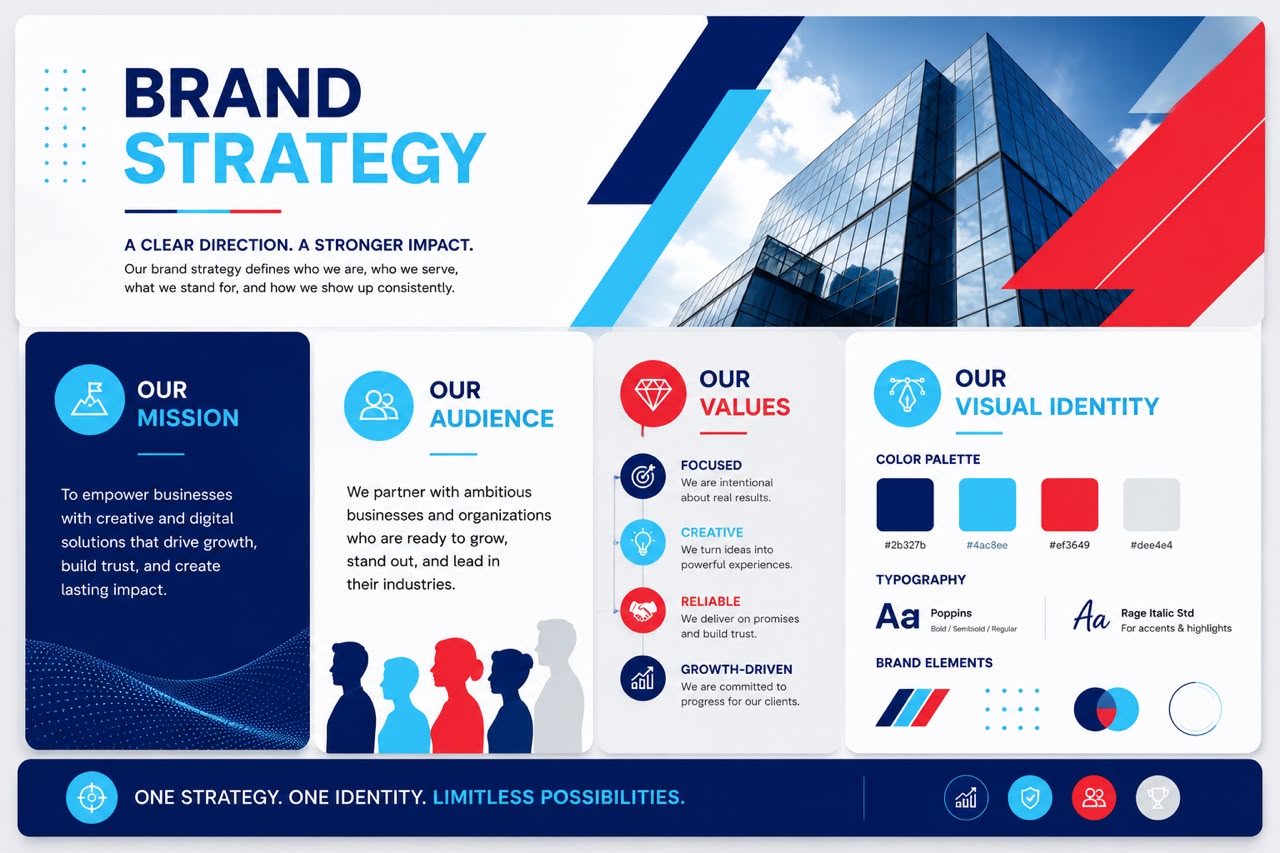
1.     Establish Brand Guidelines

Define:

  • Colours
  • Typography
  • Logo usage
  • Visual style
  • Messaging standards

2.     Maintain Consistency Across Platforms

Ensure every customer touchpoint reflects the same identity.

3.     Regularly Audit Brand Assets

Review websites, social media profiles, presentations, and marketing materials for consistency.

4.     Invest in Strategic Branding

Treat branding as a business asset rather than a design exercise.

The cost of inconsistent branding extends far beyond visual appearance. It can reduce recognition, confuse customers, weaken trust, lower marketing effectiveness, and limit long-term growth.

Businesses that invest in consistency create stronger customer experiences, build lasting credibility, and position themselves for sustainable success.

In a competitive digital environment, consistency is not simply a branding preference, it is a business advantage.

To get professional help and get the right services, you can email us at hello@rtsalvatore.net or call us through 0707079107

feature image

How to Make Your Business Look More Premium and Professional Online

In today’s digital world, customers often form opinions about a business before making contact. Within seconds of visiting a website, viewing social media profiles, or seeing marketing materials, people begin judging credibility, professionalism, and whether a company presents itself as a premium business.

The question is: what makes one business appear premium while another looks average?

The answer goes beyond having a logo or a website. Premium brands create a consistent, professional experience across every customer touchpoint, helping them build trust, recognition, and a stronger market presence.

1. Professional Website Design Creates Strong First Impressions

Your website is often the first interaction potential customers have with your business.

A premium business website should be:

  • Visually appealing
  • Easy to navigate
  • Mobile-friendly
  • Fast-loading
  • Professionally branded

When visitors encounter outdated layouts, poor user experience, or inconsistent visuals, trust can decline immediately.

Professional Website Design Creates Strong First Impressions Look More Premium

2. Strong Branding Makes Businesses Look Established

Premium businesses invest in more than just a logo.

They develop:

  • Consistent color systems
  • Typography standards
  • Visual guidelines
  • Messaging frameworks
  • Brand experiences

Strong branding creates recognition and helps customers remember a business long after their first interaction.


3. High-Quality Content Reflects Professionalism

Customers often judge expertise based on the quality of content a business publishes.

Premium brands consistently produce:

  • Valuable blog articles
  • Professional graphics
  • Educational content
  • Case studies
  • Engaging social media posts

Poor-quality content can make even a good business appear less credible.

Ask yourself:

Would a potential client see your content and view your business as an industry expert?

High-Quality Content Reflects Professionalism

4. Consistency Builds Recognition and Trust

One of the biggest differences between premium brands and average brands is consistency.

Premium businesses maintain the same:

  • Visual identity
  • Messaging
  • Tone of voice
  • Customer experience across all platforms.

Whether a customer visits:

  • Your website
  • Instagram page
  • LinkedIn profile
  • Email newsletter
  • Presentation deck, the experience feels connected.

Consistency signals professionalism and reliability.

5. Customer Perception Shapes Business Success

Many business decisions are influenced by perception.

Customers often associate premium-looking brands with:

  • Higher quality
  • Greater expertise
  • Better customer service
  • Stronger reliability

This is why two businesses offering similar services can be perceived very differently.

The business with stronger branding, better design, and a more professional online presence often earns trust faster.

Customer Perception Shapes Business Success

6. Premium Brands Focus on the Entire Experience

Looking premium online is not about one element.

It’s the combination of: branding, website design, content quality, consistency, and customer experience.

When these elements work together, they create a brand that feels professional, trustworthy, and memorable.

A premium online presence is not built by accident. It is the result of intentional branding, strategic website design, consistent content, and a customer experience that reflects professionalism at every stage.

Businesses that invest in these areas are more likely to build trust, strengthen recognition, and attract higher-quality clients.

In an increasingly competitive digital landscape, how your business looks online can influence how customers perceive its value long before a conversation begins.

To get professional help and get the right services, you can email us at hello@rtsalvatore.net or call us through 0707079107

Branding vs marketing

Understanding Branding and Marketing for Business Growth

In today’s digital world, many businesses use the terms branding and marketing interchangeably. While they work closely together, they are not the same thing. Understanding the difference between branding and marketing can help businesses build stronger customer relationships, improve visibility, and grow more effectively online.

For small and growing businesses especially, confusing branding with marketing often leads to inconsistent messaging, weak customer trust, and poor long-term growth. The truth is, marketing may attract customers, but branding is what makes them remember you.

The Difference Between Branding and Marketing

What Is Branding?

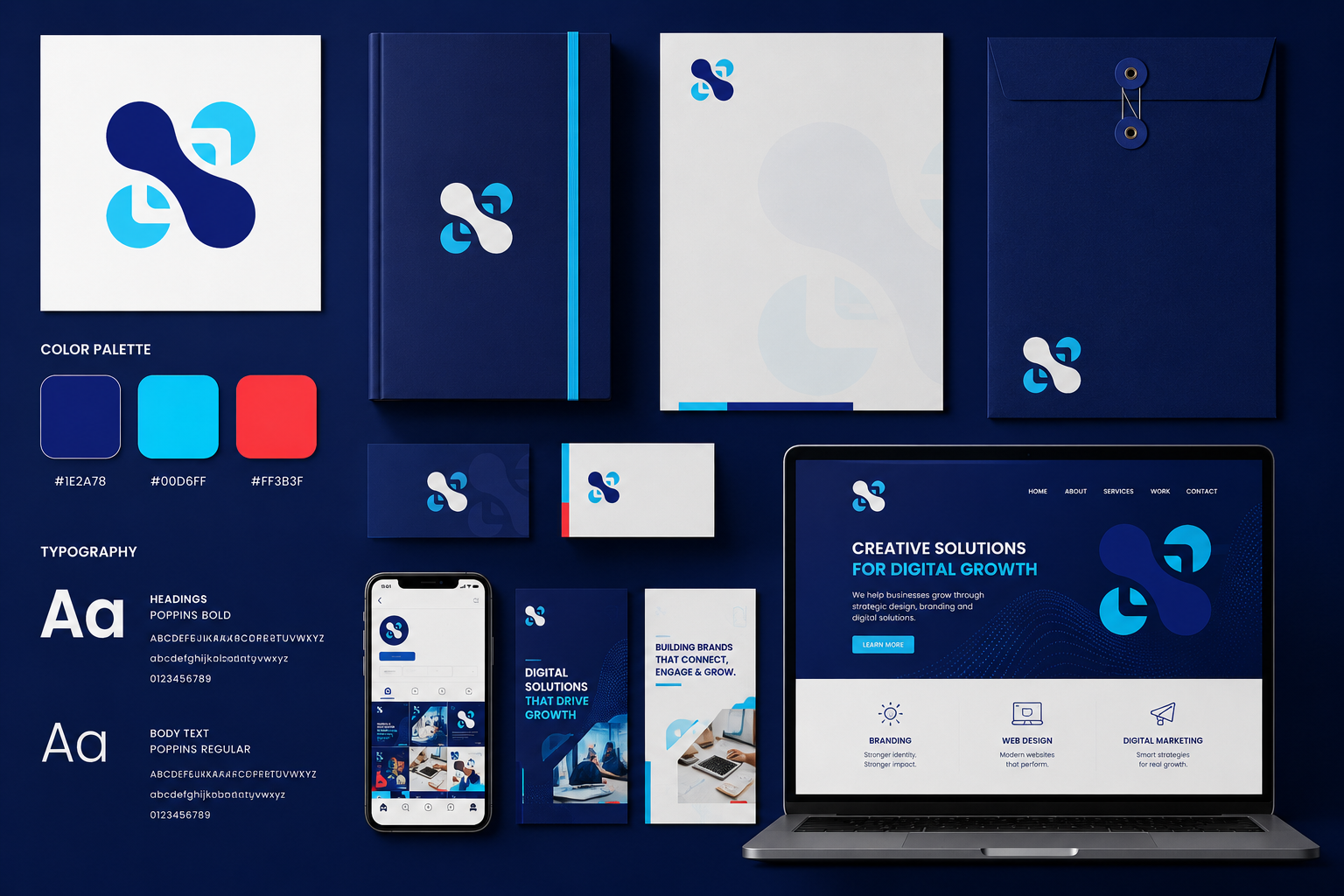
Branding is the identity of your business. It is how people perceive your company, products, and services. Branding goes beyond a logo or color palette, it includes your values, personality, messaging, customer experience, and the emotions people associate with your business.

A strong brand answers questions like:

  • Who are you?
  • What do you stand for?
  • Why should customers trust you?
  • What makes your business different?

Think of branding as the personality of your business.

Elements of Branding

  • Logo design
  • Brand colors
  • Typography
  • Tone of voice
  • Brand values
  • Website appearance
  • Social media identity
  • Customer experience
professional branding identity mockup

What Is Marketing?

Marketing refers to the strategies and actions businesses use to promote products or services to customers. Marketing focuses on visibility, lead generation, traffic, sales, and customer acquisition.

While branding shapes perception, marketing drives attention and action. Marketing answers questions like:

  • How do we reach customers?
  • How do we generate sales?
  • How do we promote our services?
  • How do we increase awareness?

Think of marketing as the communication strategy that brings customers to your brand.

Examples of Marketing

  • Social media campaigns
  • SEO strategies
  • Paid advertisements
  • Email marketing
  • Influencer marketing
  • Content marketing
  • Video advertising
A digital marketing dashboard


The Main Difference Between Branding and Marketing

BrandingMarketing
Creates identityPromotes products/services
Builds trustGenerates traffic and leads
Long-term strategyShort and medium-term campaigns
Focuses on perceptionFocuses on visibility
Makes customers remember youMakes customers notice you

Branding shapes who you are, while marketing communicates what you offer.

Why Branding Comes Before Marketing

Many businesses invest heavily in advertising before establishing a strong brand identity. This can create inconsistent communication and reduce customer trust.

Imagine running paid ads with poor logo consistency, outdated visuals, unclear messaging, or an unprofessional website. Even if the marketing campaign reaches many people, customers may still hesitate to trust the business.

Strong branding improves marketing performance because it:

  • Increases credibility,
  • Improves recognition,
  • Strengthens emotional connection,
  • Creates consistency across platforms.

Why Businesses Need Both Branding and Marketing

Branding and marketing should work together, not compete against each other.

A business with strong branding but weak marketing may struggle to reach new customers. On the other hand, a business with aggressive marketing but poor branding may attract attention but fail to build long-term trust.

Successful businesses combine:

  • Strong visual identity
  • Strategic messaging
  • Professional websites
  • Consistent social media presence
  • Effective marketing campaigns

When branding and marketing align, businesses:

  • Attract better customers
  • Improve customer loyalty
  • Increase conversion rates
  • Grow faster online

Example: A well-designed website with consistent branding instantly looks more trustworthy than a poorly designed website with random colors and inconsistent visuals.

Similarly, a professional Instagram page with cohesive branding creates a stronger impression compared to a page with inconsistent fonts, low-quality graphics, and unclear messaging. Customers naturally trust businesses that appear organised, modern, and professional.

Multi-device branding and marketing showcase

How Businesses Can Improve Both Branding and Marketing

1. Build a Consistent Brand Identity

Use the same:

  • Colors
  • Typography
  • Logo usage
  • Messaging everywhere

The Powerful Impact of Consistency in Social Media Growth.

2. Invest in Professional Website Design

Your website is often the first impression customers have of your business.

3. Use Content Marketing Strategically

Educational content helps position businesses as trustworthy and knowledgeable.

4. Focus on Long-Term Brand Recognition

Marketing campaigns may create temporary attention, but branding builds long-term customer memory and loyalty.

Branding and marketing are both essential for business growth, but they serve different purposes. Branding defines who your business is, while marketing communicates your business to the world. One creates trust and recognition while the other creates visibility and opportunities.

Businesses that understand the difference between branding and marketing are better positioned to build stronger customer relationships, improve credibility, and grow sustainably online. In today’s competitive digital landscape, success does not come from marketing alone, it comes from combining strategic marketing with strong branding.

To get professional help and get the right services, you can email us at hello@rtsalvatore.net or call us through 0707079107.

Consistent Branding Increases Customer Recognition

The Importance of Consistent Branding in Business Growth

Consistent branding plays a major role in how customers recognise and remember businesses in today’s digital world. Customers interact with brands across multiple platforms every day, from websites and social media pages to advertisements and email campaigns. As businesses continue competing for attention online, one major factor separates memorable brands from forgettable ones, which is consistency.

Consistent branding helps businesses appear professional, trustworthy, and recognisable. When customers repeatedly see the same colors, fonts, tone, and visual identity, they begin to remember and trust the brand more easily.

For businesses in Kenya and beyond, maintaining a consistent brand identity is no longer optional, it is a strategic advantage that directly influences customer recognition and business growth.

What Is Consistent Branding?

Consistent branding refers to maintaining the same visual and communication style across all platforms and customer touchpoints.

This includes:

  • Brand colors
  • Typography
  • Logo usage
  • Design style
  • Tone of voice
  • Messaging
  • Social media visuals
  • Website appearance

Whether a customer visits your Instagram page, website, or receives your email newsletter, the experience should feel connected and recognisable.

Why Customer Recognition Matters

Customer recognition is the ability of people to instantly identify your brand when they see it online or offline.

Recognisable brands:

  • Stay memorable,
  • Build familiarity,
  • Attract trust faster,
  • Increase customer loyalty.

People naturally feel more comfortable engaging with businesses they recognize consistently.

Why Customer Recognition Matters


 1. Consistent Branding Builds Familiarity

The more often customers see the same branding elements, the more familiar your business becomes. Familiarity creates comfort, and comfort influences purchasing decisions.

For example, major global brands maintain consistent logos, colors, and messaging everywhere because repetition strengthens recognition.

When your audience repeatedly sees the same logo, consistent social media visuals, matching website design, and aligned messaging, your brand becomes easier to remember over time. Thus, strong branding helps businesses build trust online.

2. Consistency Makes Your Business Look Professional

Businesses with inconsistent visuals often appear disorganised or unreliable. Different fonts, changing colors, and mismatched designs can confuse potential customers.

On the other hand, consistent branding creates:

  • Professionalism
  • Structure
  • Credibility

Professional presentation influences how customers perceive the quality of your products or services.

3. Brand Consistency Strengthens Customer Trust

Trust is one of the biggest factors influencing online purchasing decisions. Customers are more likely to engage with brands that appear stable and reliable.

When branding stays consistent:

  • Customers know what to expect
  • The business feels more established
  • Confidence increases

A professional and recognizable online presence signals that the business is serious and trustworthy.

4. Consistency Improves Social Media Growth

Social media platforms are highly visual. Users scroll quickly, meaning your content needs to become instantly recognizable.

Consistent branding helps audiences identify your posts immediately even before reading the caption.

This includes:

  • Consistent color palettes
  • Typography
  • Post layouts
  • Content style

Brands that maintain visual consistency often experience:

5. Consistent Branding Supports Marketing Performance

Marketing becomes more effective when branding remains consistent across campaigns.

Customers are more likely to remember:

  • Advertisements
  • Websites
  • Email campaigns
  • Social media posts

When they all share a unified visual identity.

Consistency strengthens brand recall, campaign effectiveness, and customer retention.

Research has shown that consistent brand presentation can significantly improve revenue and customer engagement.

6. Strong Branding Helps Small Businesses Compete Better

Small businesses often compete against larger companies with bigger marketing budgets. Consistent branding helps smaller businesses appear more established and professional.

Even with limited resources, businesses can create a premium appearance through:

  • Unified design
  • Professional visuals
  • Consistent messaging
  • Strategic presentation

This improves customer perception and helps businesses stand out in competitive markets.

How consistent branding creates a premium business image


How Businesses Can Maintain Consistent Branding

To maintain consistency effectively, businesses should create clear branding guidelines.

These guidelines should define:

  • Approved colors,
  • Typography,
  • Logo usage,
  • Design templates,
  • Tone of voice,
  • Content style.

Using the same design system across all digital platforms creates stronger recognition and trust.

Practical Tips:

  • Use the same profile photos across platforms
  • Maintain consistent color palettes
  • Create reusable design templates
  • Standardize typography
  • Keep messaging aligned

Consistent branding is one of the most powerful ways businesses can improve customer recognition in today’s competitive digital environment.

When customers repeatedly experience the same visual identity and messaging across platforms, brands become:

  • More memorable
  • More trustworthy
  • More professional

Strong brand consistency not only improves recognition but also strengthens customer trust, marketing performance, and long-term business growth. Businesses that invest in maintaining a unified brand identity position themselves for stronger visibility and lasting customer relationships.

To get professional help and get the right services, you can email us at hello@rtsalvatore.net or call us through 0707079107.

How Businesses Can Build Trust Through Content Marketing in Kenya

Best Content Marketing Strategies for Business Growth in Kenya

In today’s competitive digital environment, businesses must do more than simply advertise their products or services to attract customers. Modern consumers want valuable information, authentic communication, and meaningful engagement before they decide to trust a brand. This is why content marketing has become one of the most effective ways for businesses to build credibility and strengthen customer relationships online.

For many Nairobi-based businesses, content marketing is no longer optional in the rapidly growing Kenyan digital landscape. Through blog articles, social media content, videos, email marketing, and informative website content, businesses can educate their audiences, improve online visibility, and create long-term customer trust.

What Is Content Marketing?

Content marketing is a digital marketing strategy focused on creating and sharing valuable, relevant, and consistent content to attract and engage a target audience. Instead of directly promoting products or services, businesses use content such as blog articles, videos, social media posts, infographics, and email newsletters to educate customers, build trust, and strengthen brand awareness. In the Kenyan digital landscape, content marketing has become an effective way for businesses to improve online visibility and connect with potential customers more authentically.

1. Valuable Content Helps Businesses Build Credibility

One of the biggest reasons content marketing is effective is because it provides useful information to customers instead of directly pushing sales. Businesses that consistently share educational and relevant content position themselves as trusted experts within their industry.

For example, a web design company in Nairobi can publish blogs explaining:

This helps potential customers see the business as knowledgeable and reliable. Customers are more likely to trust businesses that help solve their problems before asking for a purchase.

2. Consistent Branding Improves Customer Confidence

Content marketing works best when combined with strong branding. Businesses that maintain consistent colors, typography, messaging, and graphic design across all digital platforms appear more professional and trustworthy.

In the Kenyan digital landscape, customers interact with brands daily through: websites, social media, online advertisements, and email marketing.

Consistent branding helps businesses remain recognizable and memorable.

Strong branding can include:

  • Professional website layouts
  • Branded social media graphics
  • Consistent tone of voice
  • High-quality visual content
Consistent Branding Improves Customer Confidence

3. SEO Helps Businesses Reach the Right Audience

Creating quality content is important, but businesses also need customers to find that content online. This is where Search Engine Optimization (SEO) becomes essential.

SEO helps businesses rank higher on search engines when customers search for related services online. For Nairobi-based businesses, local SEO can help attract nearby customers searching for: web design services, graphic design, digital marketing, branding, or SEO services in Kenya.

Blog articles optimized with keywords, headings, internal links, and valuable information can generate long-term organic traffic.

Benefits of SEO-driven content marketing include:

  • Increased website traffic
  • Better online visibility
  • Improved credibility
  • Higher lead generation
SEO Dashboard in content marketing

4. Visual Content Increases Engagement

Visual content plays a major role in modern content marketing. Customers are naturally more attracted to graphics, videos, infographics, and visually appealing website layouts than plain blocks of text.

High-quality visual content improves: engagement, social shares, customer retention, and brand recognition.

Graphic design helps businesses communicate information more effectively while creating a professional image online.

Examples of effective visual content include:

  • Infographics,
  • Social media graphics,
  • Promotional banners,
  • Branded videos,
  • Website illustrations.

5. Storytelling Creates Emotional Connections

Customers connect more with brands that feel authentic and relatable. Storytelling allows businesses to communicate their values, mission, experiences, and customer success stories in a more human way.

Instead of simply promoting products, businesses can use storytelling to: explain their journey, showcase customer experiences, share behind-the-scenes content, and highlight business values.

This emotional connection helps customers develop trust and loyalty over time.

In Kenya’s competitive online market, businesses that communicate authentically often stand out more effectively.

6. Social Media Content Strengthens Online Presence

Social media has become one of the most powerful content marketing platforms for businesses in Kenya. Platforms like Facebook, Instagram, LinkedIn, TikTok, and X allow businesses to interact directly with their audiences.

Businesses that consistently share: educational posts, branded visuals, tips, videos, and customer testimonials often build stronger online communities and customer trust.

Consistent social media branding also improves recognition and helps businesses appear active and reliable.

7. Educational Content Improves Long-Term Customer Relationships

Customers appreciate businesses that continuously provide useful information. Educational content helps businesses remain valuable to audiences even when customers are not ready to purchase immediately.

Examples include: tutorials, industry insights, how-to blogs, FAQs, and informative videos.

This creates long-term relationships because customers begin associating the business with expertise and reliability.

For Nairobi-based businesses, educational content can also improve local SEO and increase website authority.

Educational Content Improves Long-Term Customer Relationships

Content marketing has become one of the most effective ways for businesses to build trust, improve online visibility, and strengthen customer relationships in today’s digital world. Through valuable content, strong branding, SEO, graphic design, and consistent communication, businesses can position themselves as reliable and professional within the Kenyan digital landscape.

For Nairobi-based businesses looking to grow online, investing in content marketing is not just about attracting traffic, it is about creating meaningful connections with customers. Businesses that consistently provide useful, engaging, and authentic content are more likely to earn customer trust, increase brand recognition, and achieve long-term digital success.

To get professional help and get the right services, you can email us at hello@rtsalvatore.net or call us through 0707079107

Digital Branding Ecosystem

Why Strong Branding Is Essential for Online Success

Strong branding helps businesses build credibility, attract loyal customers, and create lasting trust online. In today’s competitive digital space, especially within the Kenyan digital landscape, customers are more likely to engage with brands that appear professional, consistent, and reliable across websites, social media, and digital marketing platforms.

For many Kenyan businesses, building customer trust online has become essential for long-term growth and visibility. From website design and social media branding to digital marketing and graphic design, businesses that maintain a strong and consistent brand identity are more likely to attract customers, increase engagement, and stand out in a highly competitive online market.

1. Strong Branding Creates a Memorable First Impression

In the digital world, users judge a business within seconds of visiting a website or social media page. Strong branding helps create an immediate sense of professionalism, consistency, and credibility. Elements such as logos, typography, colour palettes, and imagery influence how customers perceive a business online.

A professionally branded website signals that the company is organized, reliable, and invested in quality. Poor branding, on the other hand, can make a business appear outdated or untrustworthy.

Good branding should maintain consistency across:

  • Website design
  • Social media platforms
  • Email marketing
  • Digital advertisements
  • Packaging and promotional materials

When users repeatedly encounter the same visual identity, they begin to recognize and trust the brand more easily.

first impressions matter in strong branding

2. Consistent Visual Design Builds Professional Credibility

Consistency is one of the most important aspects of online branding. Businesses that use consistent colors, fonts, layouts, and messaging appear more stable and dependable.

For example:

  • A website using modern typography and clean layouts feels more trustworthy.
  • Consistent social media graphics create familiarity.
  • Matching brand visuals across digital channels reinforce identity recognition.

Graphic design plays a major role in building that trust. Professionally designed visuals communicate attention to detail and customer care.

Key branding design elements include:

  • Consistent typography
  • Balanced color schemes
  • High-quality graphics
  • Clear website navigation
  • Responsive web design

3. A Professional Website Increases Customer Confidence

A website is often the first interaction customers have with a business. If the website looks outdated, cluttered, or difficult to navigate, visitors may leave immediately.

Strong branding combined with professional web design helps users feel secure and comfortable while browsing online.

A trustworthy website should include:

  • Mobile-friendly responsive design
  • Fast loading speed
  • Secure HTTPS connection
  • Clear calls-to-action
  • Organized layouts
  • Professional imagery
  • Easy navigation

Modern web design improves both user experience and customer trust. Visitors are more likely to engage with brands that provide smooth and visually appealing digital experiences.

4. Branding Humanizes a Business

Customers trust businesses that feel authentic and relatable. Strong branding helps businesses develop a personality that emotionally connects with audiences.

This can be achieved through:

  • Storytelling
  • Brand voice
  • Company values
  • Behind-the-scenes content
  • Team introductions
  • Customer-focused messaging

People prefer doing business with brands that feel human rather than overly corporate. Emotional branding strengthens customer relationships and encourages long-term loyalty.

Brands that communicate clearly and honestly often build stronger online communities and customer engagement.

Branding Humanizes a Business

5. High-Quality Content Strengthens Authority

Content marketing is an essential part of digital branding. Businesses that regularly publish useful, informative, and professionally designed content position themselves as industry experts.

Examples include blog articles, infographics, video content, case studies, social media posts, and email newsletters.

Educational content helps solve customer problems while simultaneously building trust and authority.

A strong content strategy also improves SEO performance, helping businesses rank higher on search engines and attract organic traffic.

6. Social Proof Reinforces Brand Trust

Online customers often rely on the opinions of others before making purchasing decisions. Strong branding becomes even more effective when combined with social proof.

Social proof includes:

  • Customer testimonials
  • Reviews and ratings
  • Client success stories
  • User-generated content
  • Portfolio showcases
  • Case studies

When professionally presented through web design and graphic design, social proof increases credibility and reassures potential customers. Displaying testimonials strategically across landing pages and service pages can significantly improve trust and conversion rates.

7. Branding Improves Customer Recognition and Loyalty

Customers tend to trust brands they recognize repeatedly. Strong branding increases familiarity, and familiarity often leads to trust.

Consistent digital marketing campaigns help reinforce: brand colours, messaging, visual identity, company values, and brand voice.

Over time, customers begin associating the brand with reliability and professionalism.

Loyal customers are also more likely to:

  • Recommend the business
  • Share content online
  • Leave positive reviews
  • Make repeat purchases

This creates long-term digital growth and stronger online visibility.

8. Strong Branding Supports Digital Marketing Success

Digital marketing performs better when supported by clear branding. Whether running social media ads, SEO campaigns, or email marketing, branding improves campaign recognition and engagement.

Benefits of branding in digital marketing include:

  • Higher click-through rates
  • Better ad recognition
  • Improved customer retention
  • Increased conversion rates
  • Stronger audience targeting

When users consistently recognize a brand online, they feel more confident interacting with advertisements and marketing content.

Strong Branding Supports Digital Marketing Success

9. Security and Transparency Enhance Brand Trust

Customers expect businesses to protect their data and communicate transparently online. Strong branding includes visible trust signals that reassure users.

A secure and transparent website strengthens customer confidence and reduces hesitation during online interactions.

Strong branding plays a major role in helping businesses build customer trust, improve online visibility, and create long-term loyalty in today’s digital world. From professional website design and consistent graphic design to strategic digital marketing, businesses that invest in a strong brand identity are more likely to stand out and connect with their target audience.

In the competitive Kenyan digital landscape, especially for Nairobi-based businesses, maintaining a professional and recognizable online presence can significantly influence customer perception and business growth. By focusing on consistency, credibility, and customer experience, businesses can build stronger relationships and gain lasting trust online.

To get professional help and get the right services, you can email us at hello@rtsalvatore.net  or call us through 0707079107