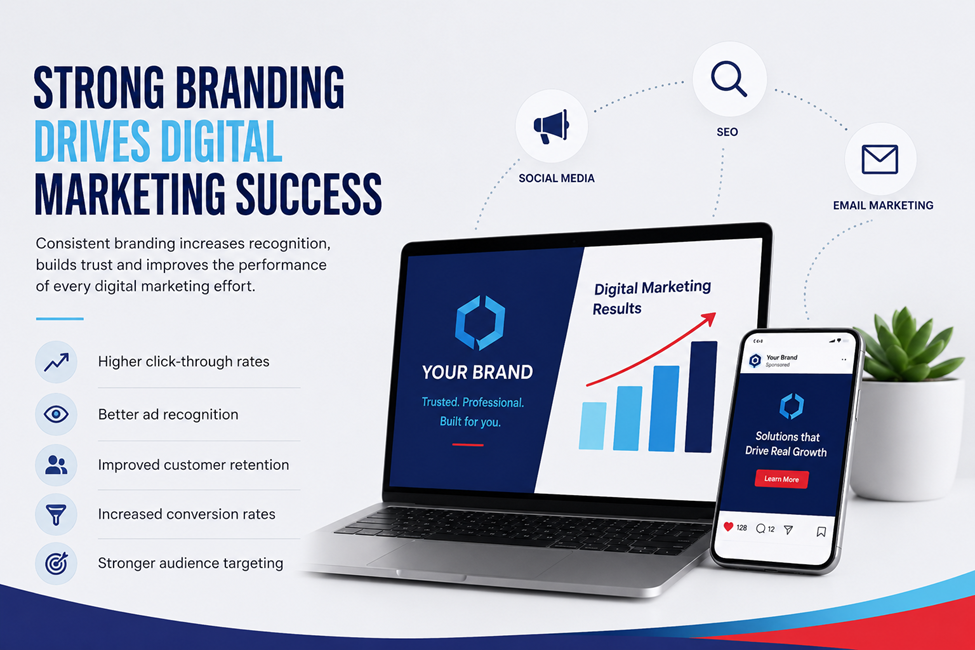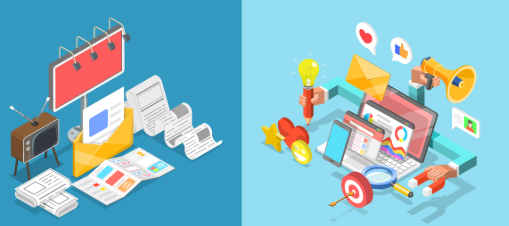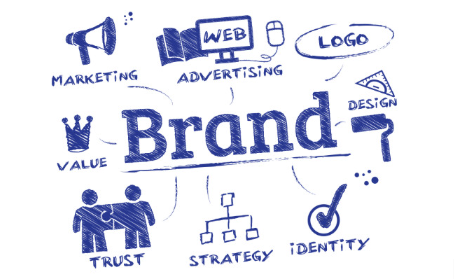
Branding vs marketing

Understanding Branding and Marketing for Business Growth

In today’s digital world, many businesses use the terms branding and marketing interchangeably. While they work closely together, they are not the same thing. Understanding the difference between branding and marketing can help businesses build stronger customer relationships, improve visibility, and grow more effectively online.

For small and growing businesses especially, confusing branding with marketing often leads to inconsistent messaging, weak customer trust, and poor long-term growth. The truth is, marketing may attract customers, but branding is what makes them remember you.

The Difference Between Branding and Marketing

What Is Branding?

Branding is the identity of your business. It is how people perceive your company, products, and services. Branding goes beyond a logo or color palette, it includes your values, personality, messaging, customer experience, and the emotions people associate with your business.

A strong brand answers questions like:

  • Who are you?
  • What do you stand for?
  • Why should customers trust you?
  • What makes your business different?

Think of branding as the personality of your business.

Elements of Branding

  • Logo design
  • Brand colors
  • Typography
  • Tone of voice
  • Brand values
  • Website appearance
  • Social media identity
  • Customer experience
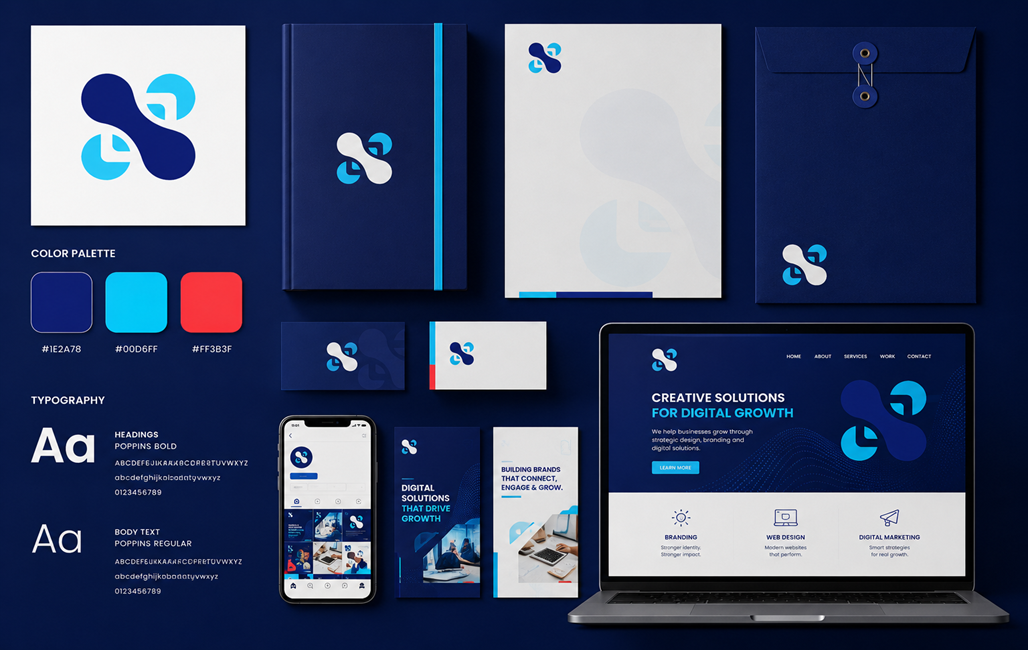
professional branding identity mockup

What Is Marketing?

Marketing refers to the strategies and actions businesses use to promote products or services to customers. Marketing focuses on visibility, lead generation, traffic, sales, and customer acquisition.

While branding shapes perception, marketing drives attention and action. Marketing answers questions like:

  • How do we reach customers?
  • How do we generate sales?
  • How do we promote our services?
  • How do we increase awareness?

Think of marketing as the communication strategy that brings customers to your brand.

Examples of Marketing

  • Social media campaigns
  • SEO strategies
  • Paid advertisements
  • Email marketing
  • Influencer marketing
  • Content marketing
  • Video advertising
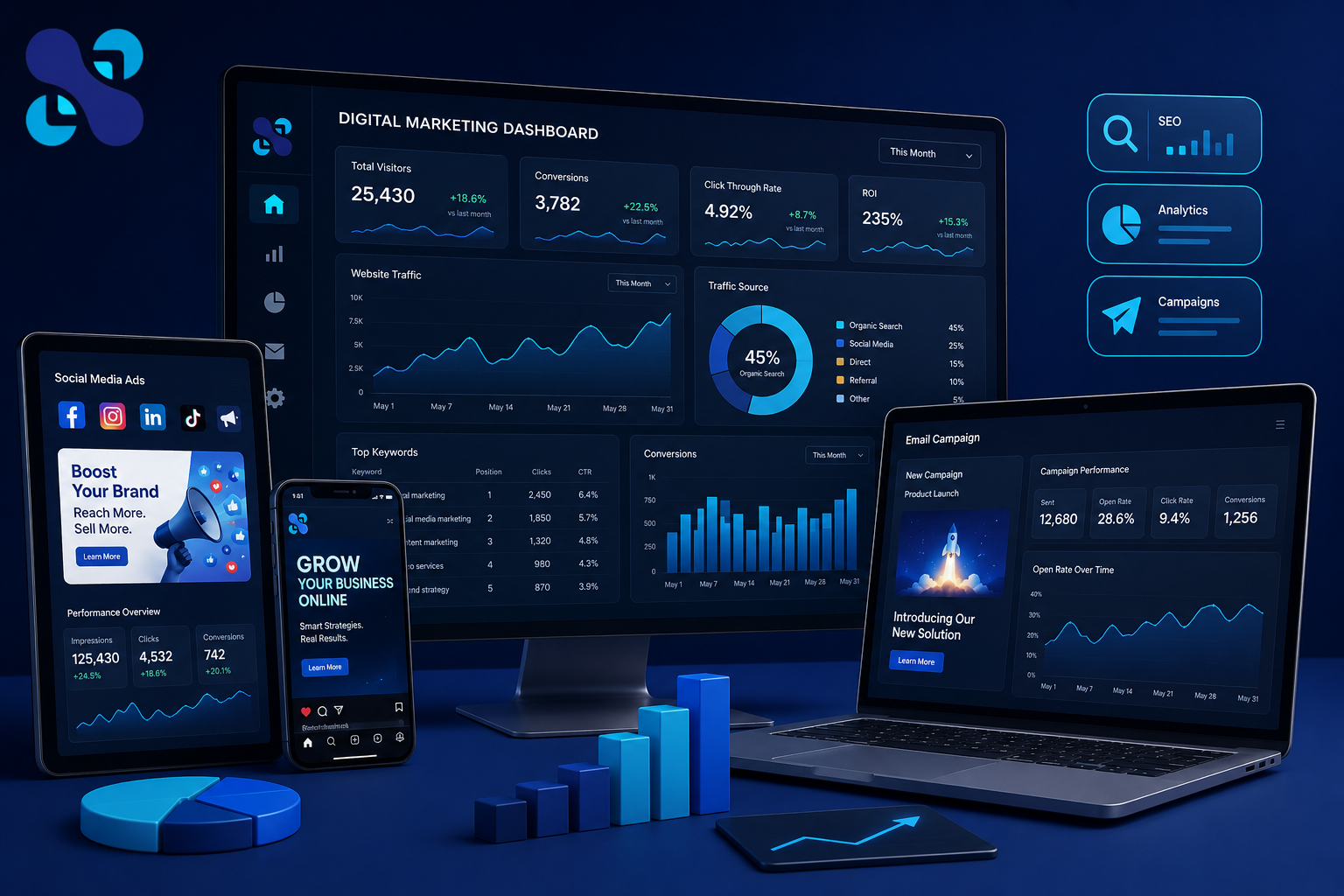
A digital marketing dashboard


The Main Difference Between Branding and Marketing

BrandingMarketing
Creates identityPromotes products/services
Builds trustGenerates traffic and leads
Long-term strategyShort and medium-term campaigns
Focuses on perceptionFocuses on visibility
Makes customers remember youMakes customers notice you

Branding shapes who you are, while marketing communicates what you offer.

Why Branding Comes Before Marketing

Many businesses invest heavily in advertising before establishing a strong brand identity. This can create inconsistent communication and reduce customer trust.

Imagine running paid ads with poor logo consistency, outdated visuals, unclear messaging, or an unprofessional website. Even if the marketing campaign reaches many people, customers may still hesitate to trust the business.

Strong branding improves marketing performance because it:

  • Increases credibility,
  • Improves recognition,
  • Strengthens emotional connection,
  • Creates consistency across platforms.

Why Businesses Need Both Branding and Marketing

Branding and marketing should work together, not compete against each other.

A business with strong branding but weak marketing may struggle to reach new customers. On the other hand, a business with aggressive marketing but poor branding may attract attention but fail to build long-term trust.

Successful businesses combine:

  • Strong visual identity
  • Strategic messaging
  • Professional websites
  • Consistent social media presence
  • Effective marketing campaigns

When branding and marketing align, businesses:

  • Attract better customers
  • Improve customer loyalty
  • Increase conversion rates
  • Grow faster online

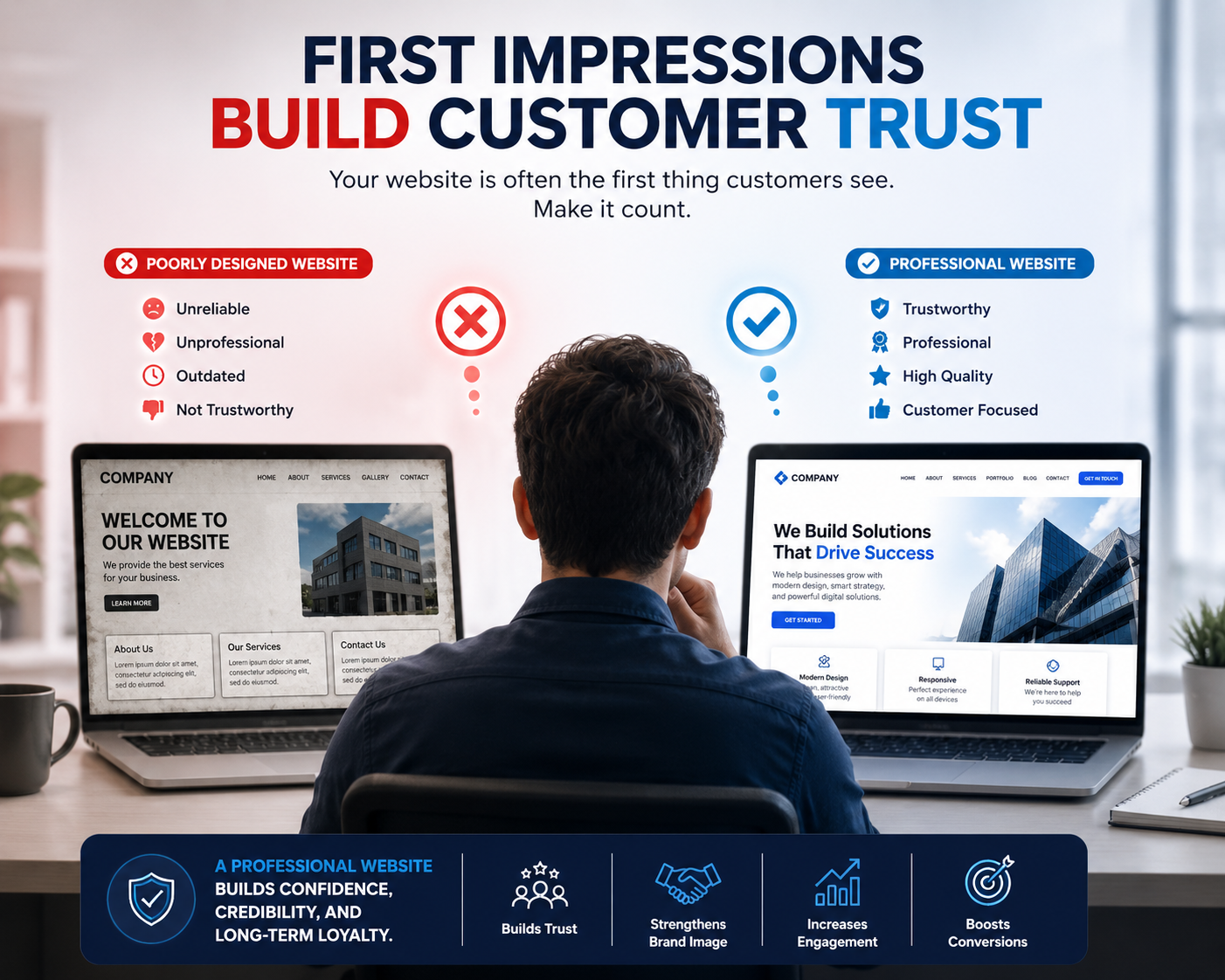
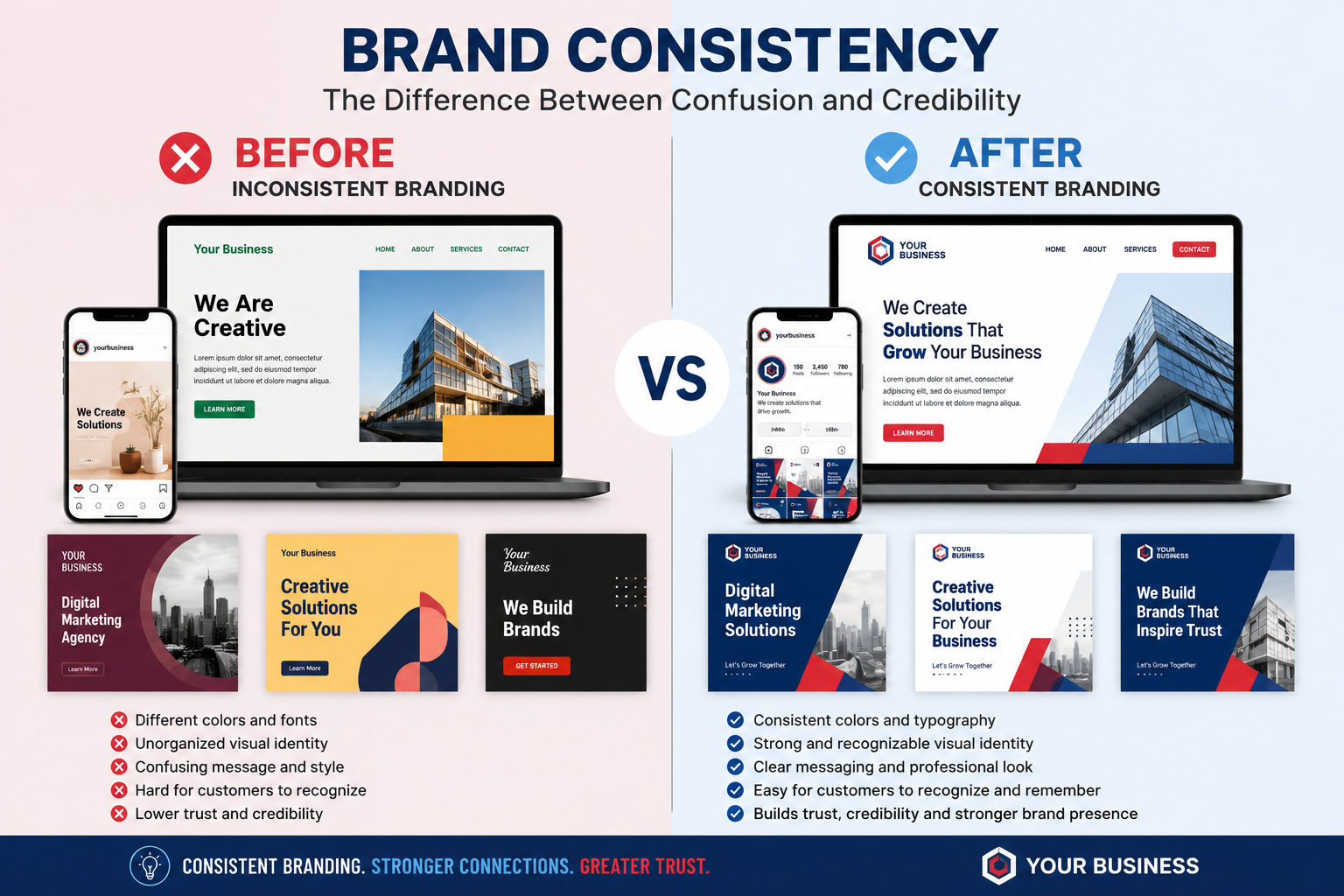
Example: A well-designed website with consistent branding instantly looks more trustworthy than a poorly designed website with random colors and inconsistent visuals.

Similarly, a professional Instagram page with cohesive branding creates a stronger impression compared to a page with inconsistent fonts, low-quality graphics, and unclear messaging. Customers naturally trust businesses that appear organised, modern, and professional.
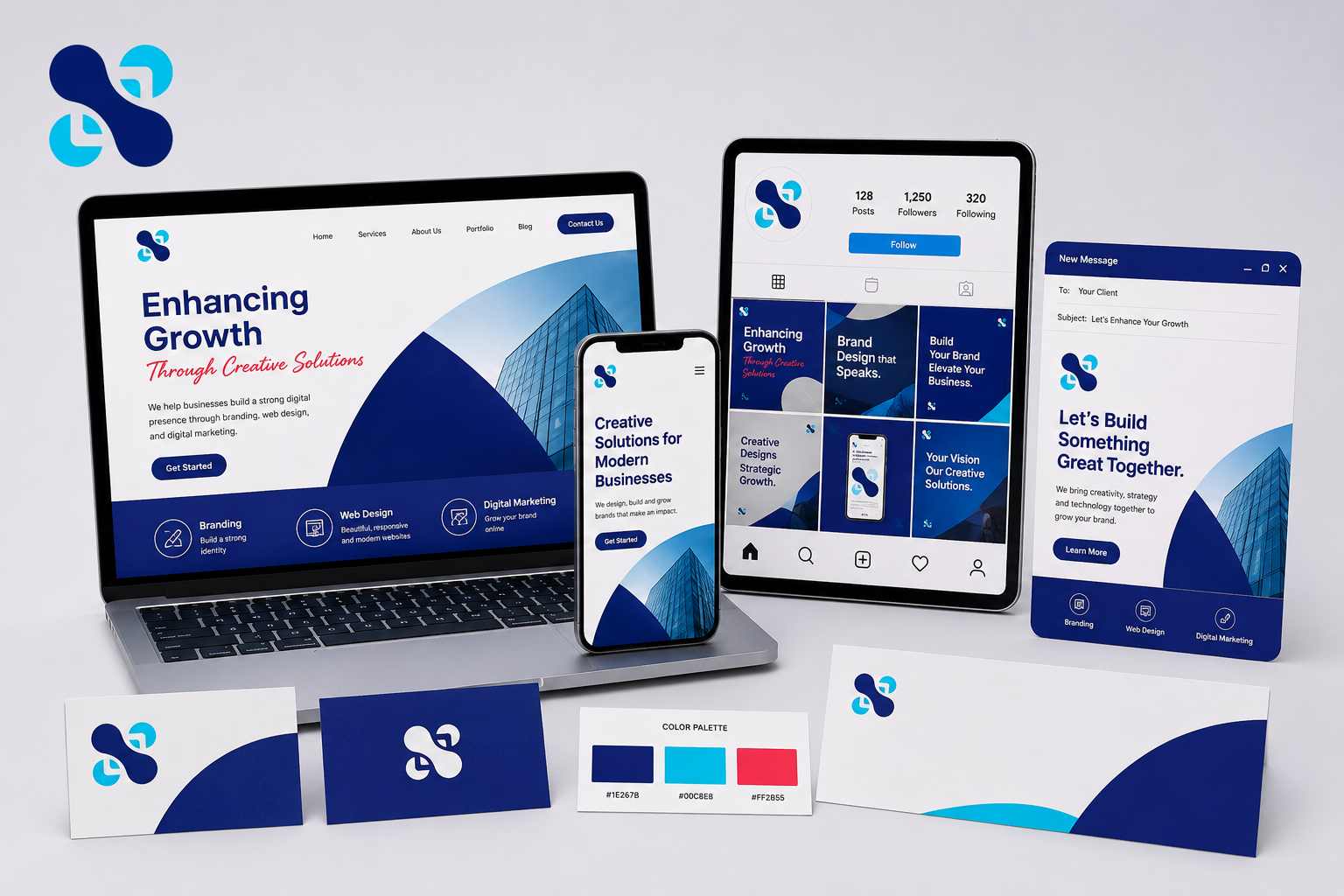
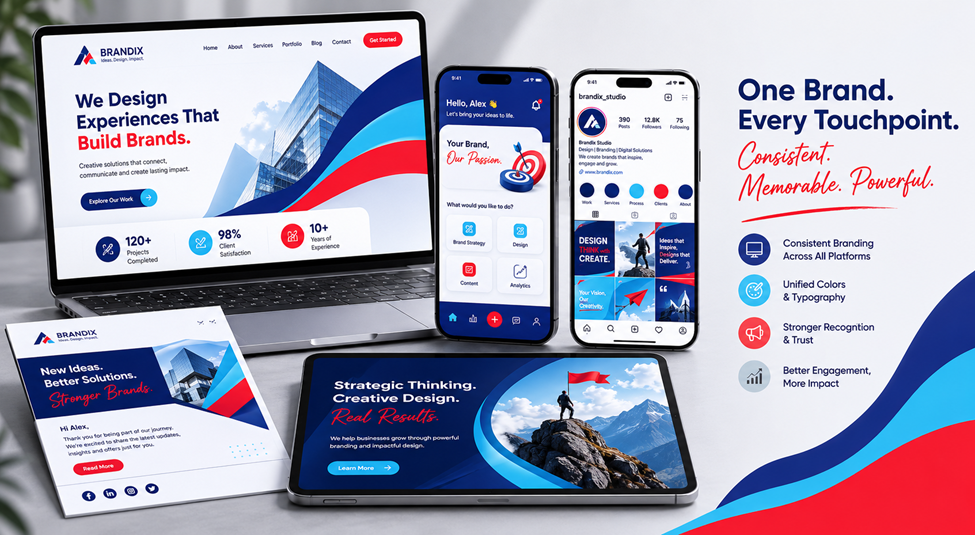
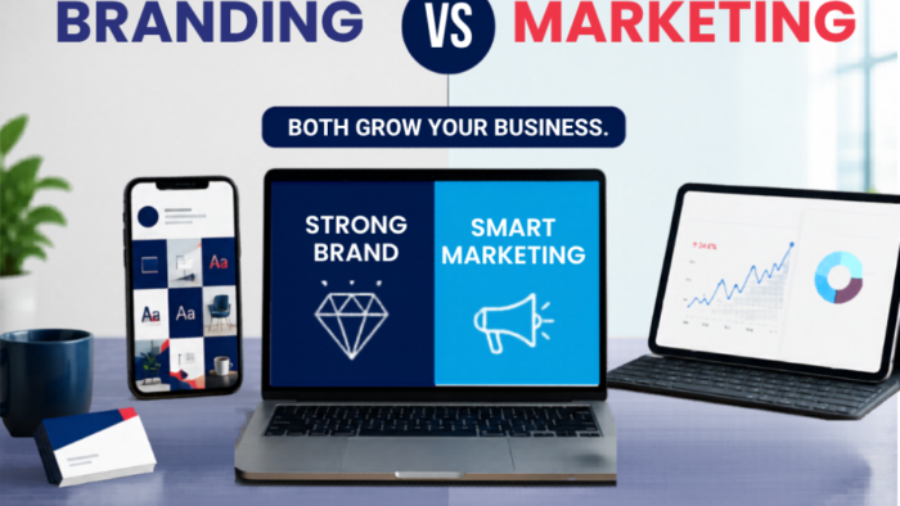
Multi-device branding and marketing showcase

How Businesses Can Improve Both Branding and Marketing

1. Build a Consistent Brand Identity

Use the same:

  • Colors
  • Typography
  • Logo usage
  • Messaging everywhere

The Powerful Impact of Consistency in Social Media Growth.

2. Invest in Professional Website Design

Your website is often the first impression customers have of your business.

3. Use Content Marketing Strategically

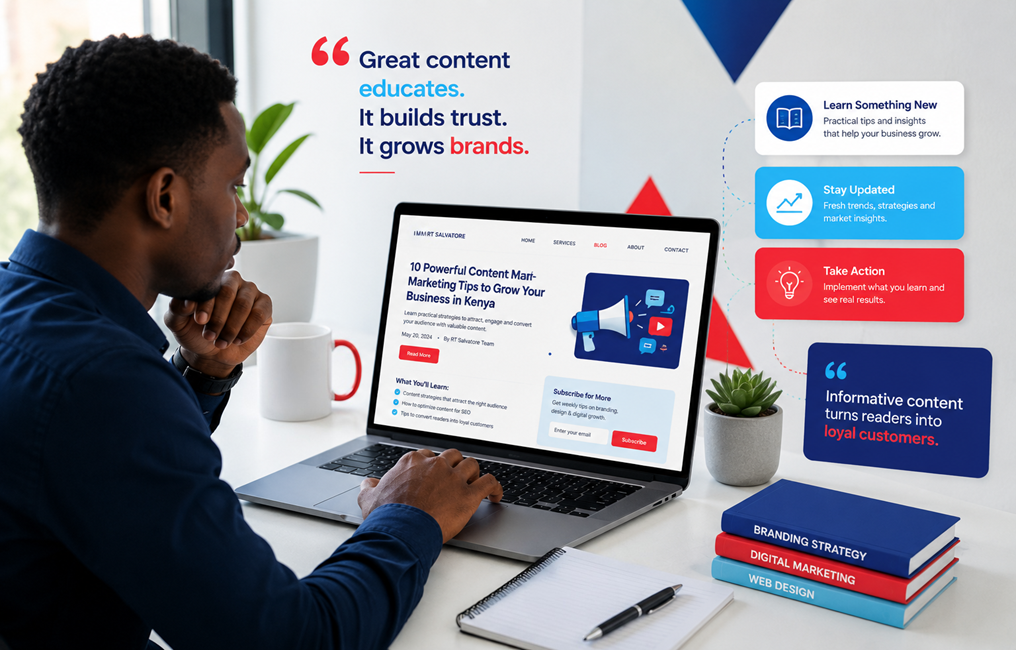
Educational content helps position businesses as trustworthy and knowledgeable.

4. Focus on Long-Term Brand Recognition

Marketing campaigns may create temporary attention, but branding builds long-term customer memory and loyalty.

Branding and marketing are both essential for business growth, but they serve different purposes. Branding defines who your business is, while marketing communicates your business to the world. One creates trust and recognition while the other creates visibility and opportunities.

Businesses that understand the difference between branding and marketing are better positioned to build stronger customer relationships, improve credibility, and grow sustainably online. In today’s competitive digital landscape, success does not come from marketing alone, it comes from combining strategic marketing with strong branding.

To get professional help and get the right services, you can email us at hello@rtsalvatore.net or call us through 0707079107.
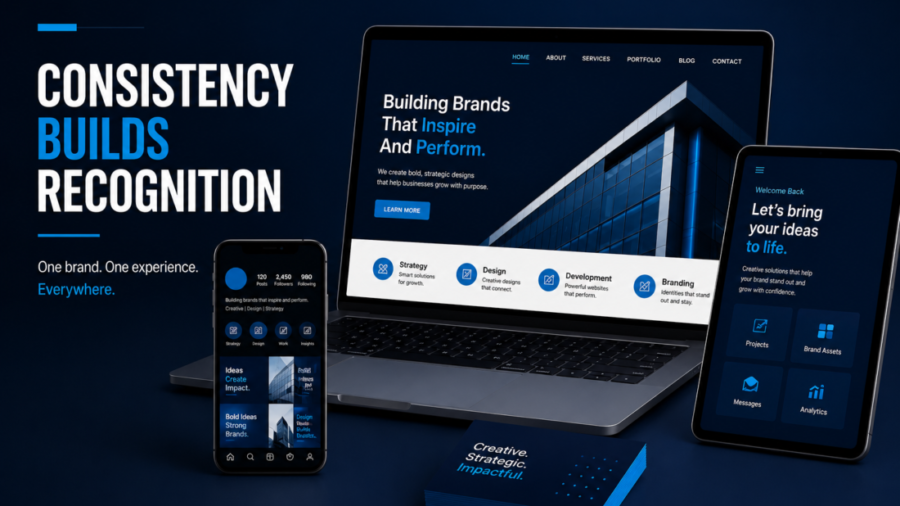
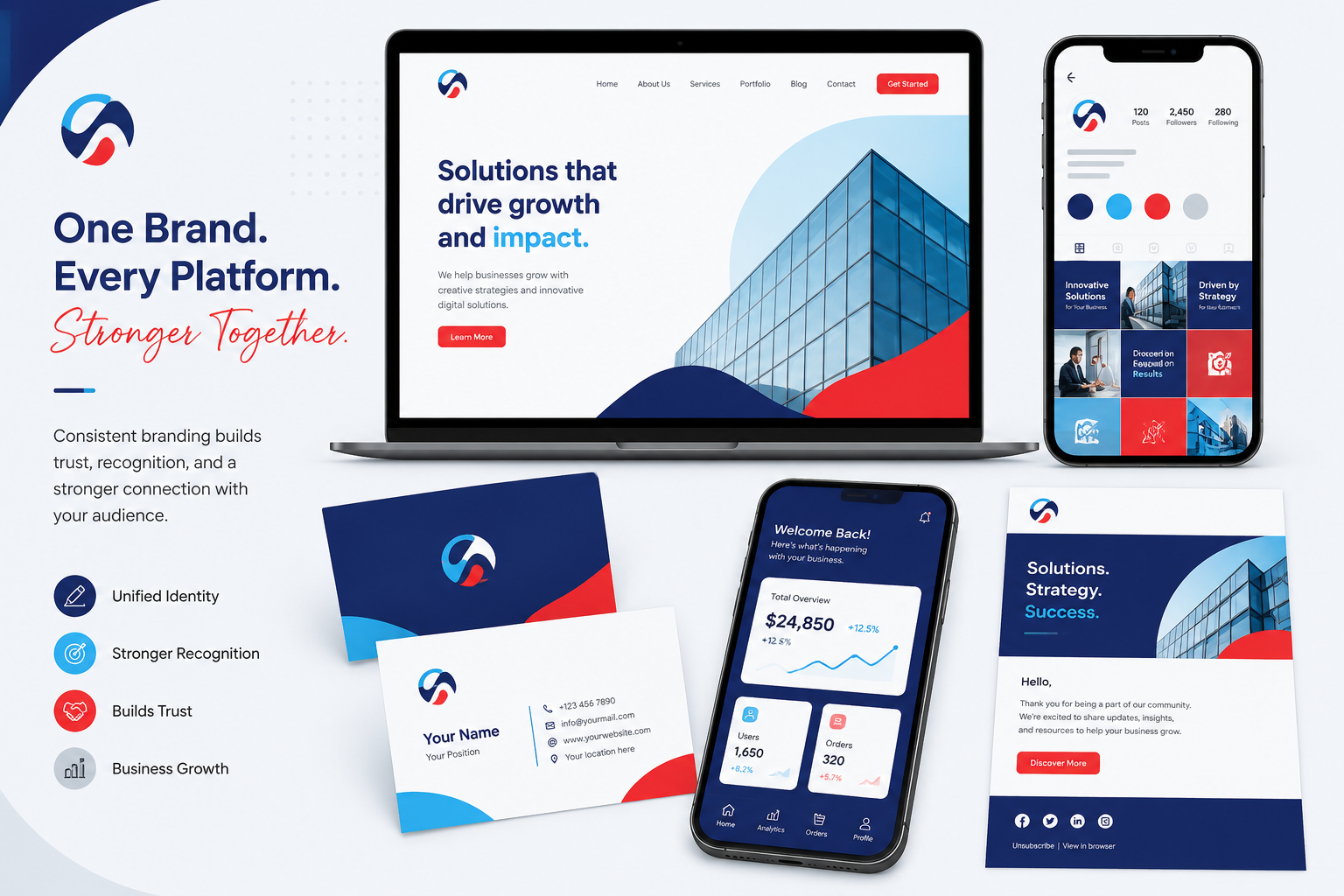
Consistent Branding Increases Customer Recognition

The Importance of Consistent Branding in Business Growth

Consistent branding plays a major role in how customers recognise and remember businesses in today’s digital world. Customers interact with brands across multiple platforms every day, from websites and social media pages to advertisements and email campaigns. As businesses continue competing for attention online, one major factor separates memorable brands from forgettable ones, which is consistency.

Consistent branding helps businesses appear professional, trustworthy, and recognisable. When customers repeatedly see the same colors, fonts, tone, and visual identity, they begin to remember and trust the brand more easily.

For businesses in Kenya and beyond, maintaining a consistent brand identity is no longer optional, it is a strategic advantage that directly influences customer recognition and business growth.

What Is Consistent Branding?

Consistent branding refers to maintaining the same visual and communication style across all platforms and customer touchpoints.

This includes:

  • Brand colors
  • Typography
  • Logo usage
  • Design style
  • Tone of voice
  • Messaging
  • Social media visuals
  • Website appearance

Whether a customer visits your Instagram page, website, or receives your email newsletter, the experience should feel connected and recognisable.

Why Customer Recognition Matters

Customer recognition is the ability of people to instantly identify your brand when they see it online or offline.

Recognisable brands:

  • Stay memorable,
  • Build familiarity,
  • Attract trust faster,
  • Increase customer loyalty.

People naturally feel more comfortable engaging with businesses they recognize consistently.

Why Customer Recognition Matters


 1. Consistent Branding Builds Familiarity

The more often customers see the same branding elements, the more familiar your business becomes. Familiarity creates comfort, and comfort influences purchasing decisions.

For example, major global brands maintain consistent logos, colors, and messaging everywhere because repetition strengthens recognition.

When your audience repeatedly sees the same logo, consistent social media visuals, matching website design, and aligned messaging, your brand becomes easier to remember over time. Thus, strong branding helps businesses build trust online.

2. Consistency Makes Your Business Look Professional

Businesses with inconsistent visuals often appear disorganised or unreliable. Different fonts, changing colors, and mismatched designs can confuse potential customers.

On the other hand, consistent branding creates:

  • Professionalism
  • Structure
  • Credibility

Professional presentation influences how customers perceive the quality of your products or services.

3. Brand Consistency Strengthens Customer Trust

Trust is one of the biggest factors influencing online purchasing decisions. Customers are more likely to engage with brands that appear stable and reliable.

When branding stays consistent:

  • Customers know what to expect
  • The business feels more established
  • Confidence increases

A professional and recognizable online presence signals that the business is serious and trustworthy.

4. Consistency Improves Social Media Growth

Social media platforms are highly visual. Users scroll quickly, meaning your content needs to become instantly recognizable.

Consistent branding helps audiences identify your posts immediately even before reading the caption.

This includes:

  • Consistent color palettes
  • Typography
  • Post layouts
  • Content style

Brands that maintain visual consistency often experience:

5. Consistent Branding Supports Marketing Performance

Marketing becomes more effective when branding remains consistent across campaigns.

Customers are more likely to remember:

  • Advertisements
  • Websites
  • Email campaigns
  • Social media posts

When they all share a unified visual identity.

Consistency strengthens brand recall, campaign effectiveness, and customer retention.

Research has shown that consistent brand presentation can significantly improve revenue and customer engagement.

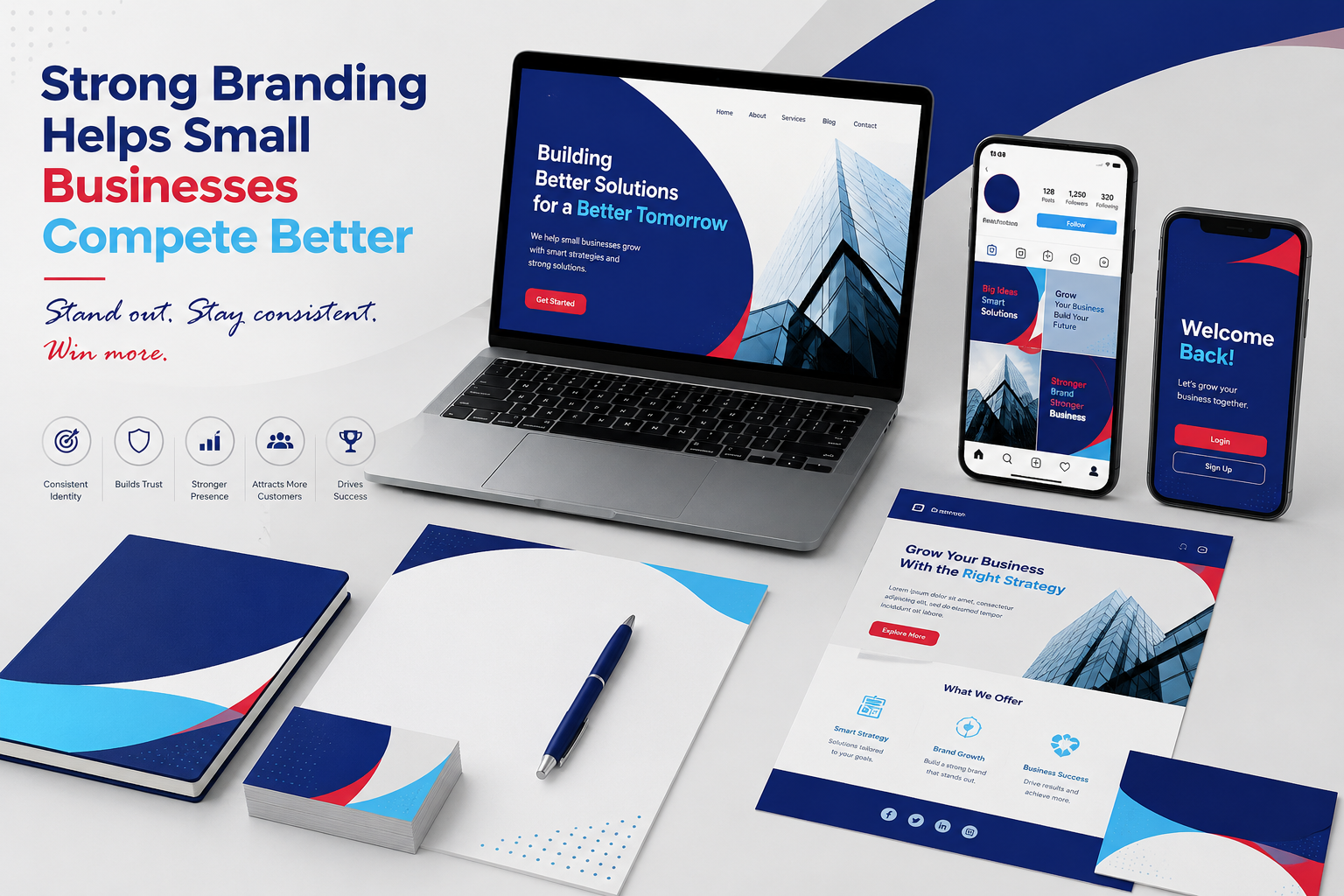
6. Strong Branding Helps Small Businesses Compete Better

Small businesses often compete against larger companies with bigger marketing budgets. Consistent branding helps smaller businesses appear more established and professional.

Even with limited resources, businesses can create a premium appearance through:

  • Unified design
  • Professional visuals
  • Consistent messaging
  • Strategic presentation

This improves customer perception and helps businesses stand out in competitive markets.

How consistent branding creates a premium business image


How Businesses Can Maintain Consistent Branding

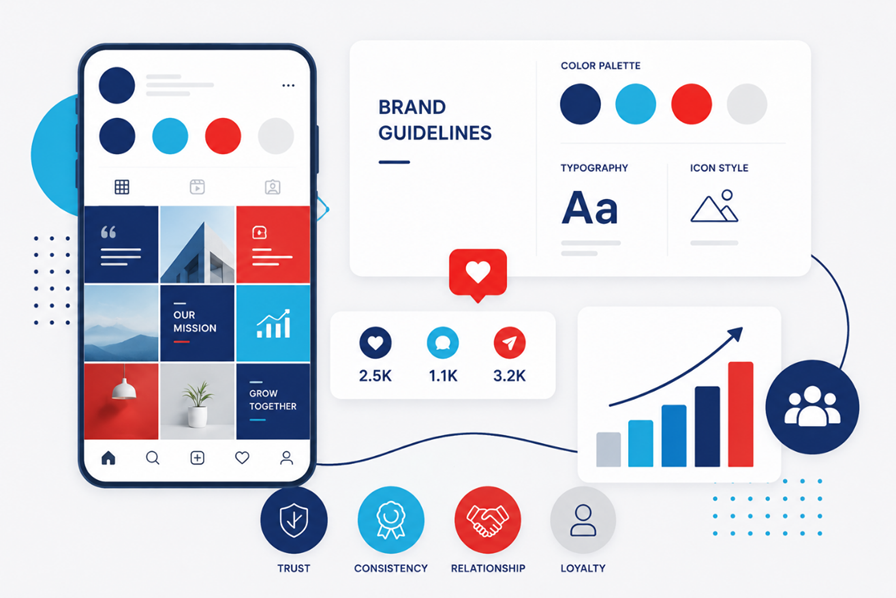
To maintain consistency effectively, businesses should create clear branding guidelines.

These guidelines should define:

  • Approved colors,
  • Typography,
  • Logo usage,
  • Design templates,
  • Tone of voice,
  • Content style.

Using the same design system across all digital platforms creates stronger recognition and trust.

Practical Tips:

  • Use the same profile photos across platforms
  • Maintain consistent color palettes
  • Create reusable design templates
  • Standardize typography
  • Keep messaging aligned

Consistent branding is one of the most powerful ways businesses can improve customer recognition in today’s competitive digital environment.

When customers repeatedly experience the same visual identity and messaging across platforms, brands become:

  • More memorable
  • More trustworthy
  • More professional

Strong brand consistency not only improves recognition but also strengthens customer trust, marketing performance, and long-term business growth. Businesses that invest in maintaining a unified brand identity position themselves for stronger visibility and lasting customer relationships.

To get professional help and get the right services, you can email us at hello@rtsalvatore.net or call us through 0707079107.
How Businesses Can Build Trust Through Content Marketing in Kenya

Best Content Marketing Strategies for Business Growth in Kenya

In today’s competitive digital environment, businesses must do more than simply advertise their products or services to attract customers. Modern consumers want valuable information, authentic communication, and meaningful engagement before they decide to trust a brand. This is why content marketing has become one of the most effective ways for businesses to build credibility and strengthen customer relationships online.

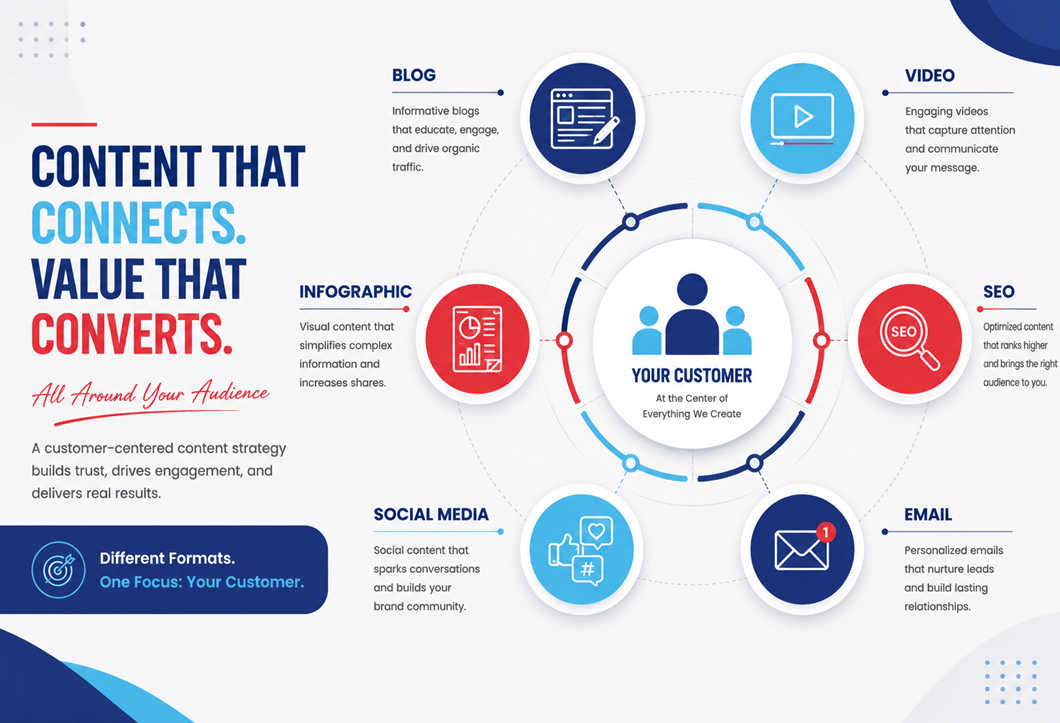
For many Nairobi-based businesses, content marketing is no longer optional in the rapidly growing Kenyan digital landscape. Through blog articles, social media content, videos, email marketing, and informative website content, businesses can educate their audiences, improve online visibility, and create long-term customer trust.

What Is Content Marketing?

Content marketing is a digital marketing strategy focused on creating and sharing valuable, relevant, and consistent content to attract and engage a target audience. Instead of directly promoting products or services, businesses use content such as blog articles, videos, social media posts, infographics, and email newsletters to educate customers, build trust, and strengthen brand awareness. In the Kenyan digital landscape, content marketing has become an effective way for businesses to improve online visibility and connect with potential customers more authentically.

1. Valuable Content Helps Businesses Build Credibility

One of the biggest reasons content marketing is effective is because it provides useful information to customers instead of directly pushing sales. Businesses that consistently share educational and relevant content position themselves as trusted experts within their industry.

For example, a web design company in Nairobi can publish blogs explaining:

This helps potential customers see the business as knowledgeable and reliable. Customers are more likely to trust businesses that help solve their problems before asking for a purchase.

2. Consistent Branding Improves Customer Confidence

Content marketing works best when combined with strong branding. Businesses that maintain consistent colors, typography, messaging, and graphic design across all digital platforms appear more professional and trustworthy.

In the Kenyan digital landscape, customers interact with brands daily through: websites, social media, online advertisements, and email marketing.

Consistent branding helps businesses remain recognizable and memorable.

Strong branding can include:

  • Professional website layouts
  • Branded social media graphics
  • Consistent tone of voice
  • High-quality visual content
Consistent Branding Improves Customer Confidence

3. SEO Helps Businesses Reach the Right Audience

Creating quality content is important, but businesses also need customers to find that content online. This is where Search Engine Optimization (SEO) becomes essential.

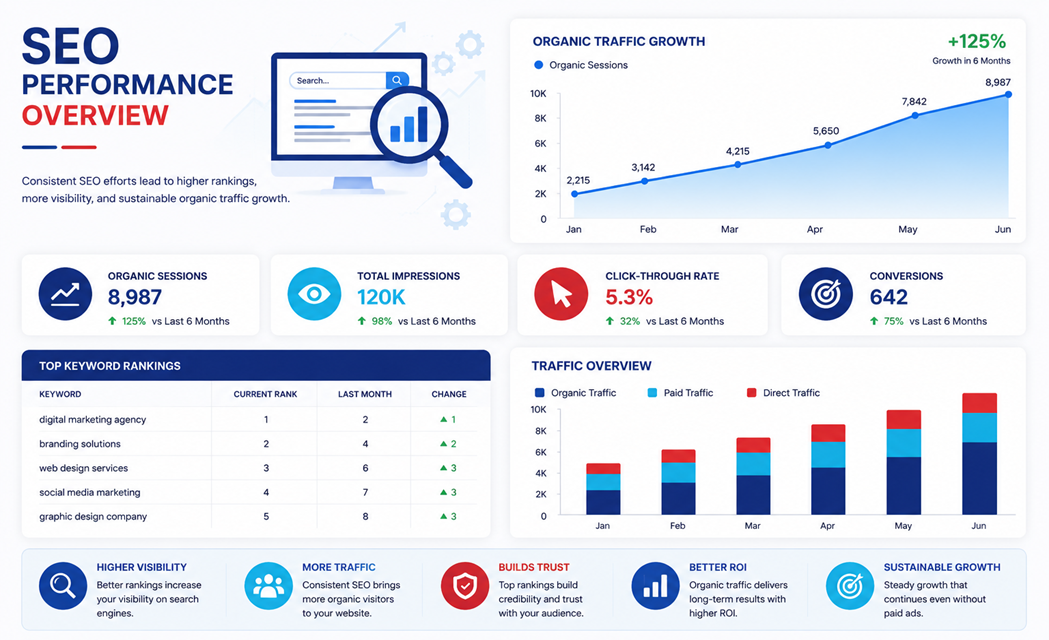
SEO helps businesses rank higher on search engines when customers search for related services online. For Nairobi-based businesses, local SEO can help attract nearby customers searching for: web design services, graphic design, digital marketing, branding, or SEO services in Kenya.

Blog articles optimized with keywords, headings, internal links, and valuable information can generate long-term organic traffic.

Benefits of SEO-driven content marketing include:

  • Increased website traffic
  • Better online visibility
  • Improved credibility
  • Higher lead generation
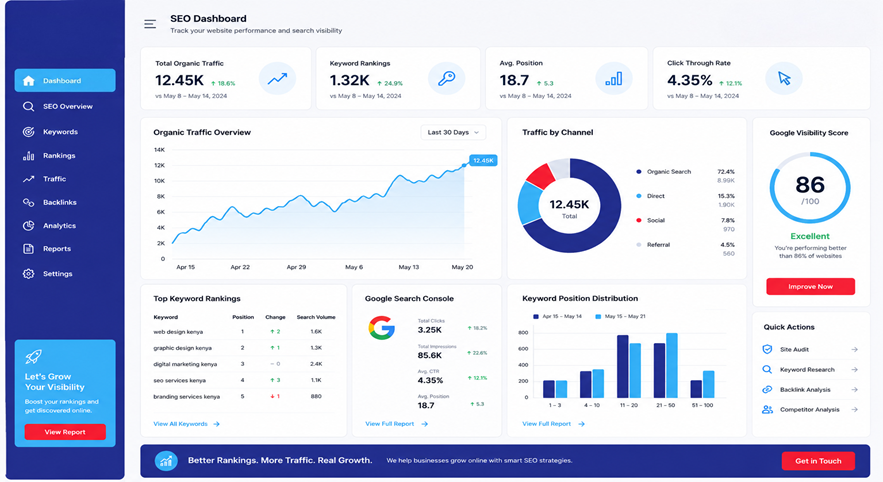
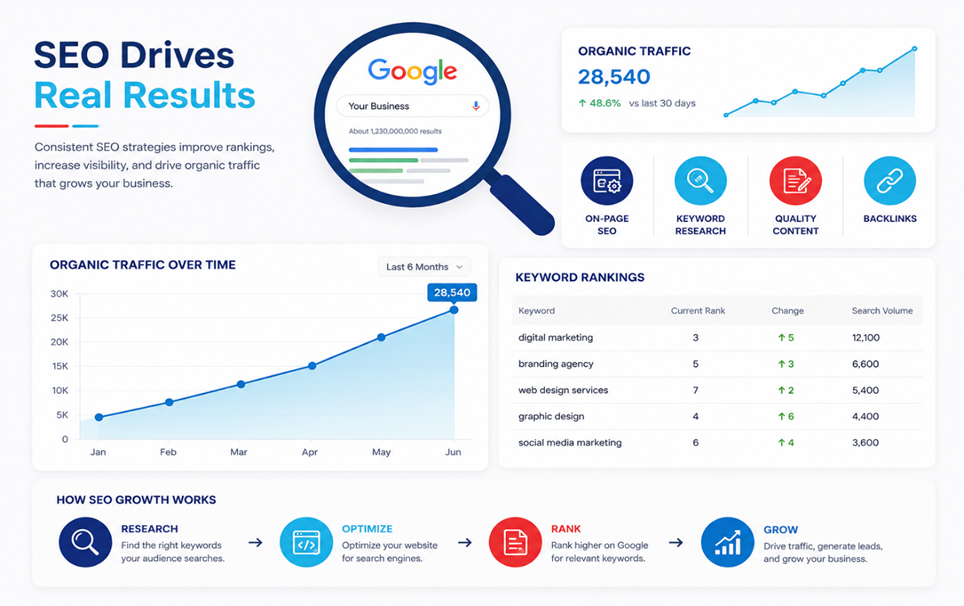
SEO Dashboard in content marketing

4. Visual Content Increases Engagement

Visual content plays a major role in modern content marketing. Customers are naturally more attracted to graphics, videos, infographics, and visually appealing website layouts than plain blocks of text.

High-quality visual content improves: engagement, social shares, customer retention, and brand recognition.

Graphic design helps businesses communicate information more effectively while creating a professional image online.

Examples of effective visual content include:

  • Infographics,
  • Social media graphics,
  • Promotional banners,
  • Branded videos,
  • Website illustrations.

5. Storytelling Creates Emotional Connections

Customers connect more with brands that feel authentic and relatable. Storytelling allows businesses to communicate their values, mission, experiences, and customer success stories in a more human way.

Instead of simply promoting products, businesses can use storytelling to: explain their journey, showcase customer experiences, share behind-the-scenes content, and highlight business values.

This emotional connection helps customers develop trust and loyalty over time.

In Kenya’s competitive online market, businesses that communicate authentically often stand out more effectively.

6. Social Media Content Strengthens Online Presence

Social media has become one of the most powerful content marketing platforms for businesses in Kenya. Platforms like Facebook, Instagram, LinkedIn, TikTok, and X allow businesses to interact directly with their audiences.

Businesses that consistently share: educational posts, branded visuals, tips, videos, and customer testimonials often build stronger online communities and customer trust.

Consistent social media branding also improves recognition and helps businesses appear active and reliable.

7. Educational Content Improves Long-Term Customer Relationships

Customers appreciate businesses that continuously provide useful information. Educational content helps businesses remain valuable to audiences even when customers are not ready to purchase immediately.

Examples include: tutorials, industry insights, how-to blogs, FAQs, and informative videos.

This creates long-term relationships because customers begin associating the business with expertise and reliability.

For Nairobi-based businesses, educational content can also improve local SEO and increase website authority.

Educational Content Improves Long-Term Customer Relationships

Content marketing has become one of the most effective ways for businesses to build trust, improve online visibility, and strengthen customer relationships in today’s digital world. Through valuable content, strong branding, SEO, graphic design, and consistent communication, businesses can position themselves as reliable and professional within the Kenyan digital landscape.

For Nairobi-based businesses looking to grow online, investing in content marketing is not just about attracting traffic, it is about creating meaningful connections with customers. Businesses that consistently provide useful, engaging, and authentic content are more likely to earn customer trust, increase brand recognition, and achieve long-term digital success.

To get professional help and get the right services, you can email us at hello@rtsalvatore.net or call us through 0707079107

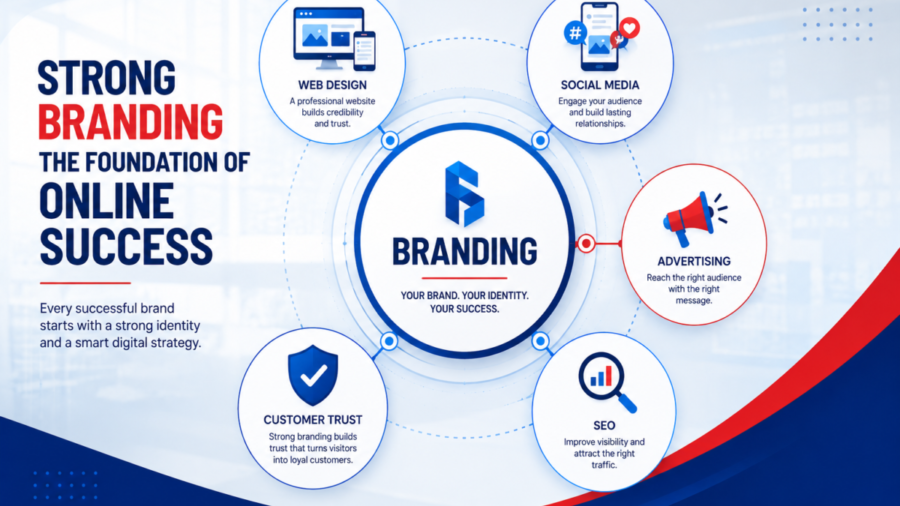
Digital Branding Ecosystem

Why Strong Branding Is Essential for Online Success

Strong branding helps businesses build credibility, attract loyal customers, and create lasting trust online. In today’s competitive digital space, especially within the Kenyan digital landscape, customers are more likely to engage with brands that appear professional, consistent, and reliable across websites, social media, and digital marketing platforms.

For many Kenyan businesses, building customer trust online has become essential for long-term growth and visibility. From website design and social media branding to digital marketing and graphic design, businesses that maintain a strong and consistent brand identity are more likely to attract customers, increase engagement, and stand out in a highly competitive online market.

1. Strong Branding Creates a Memorable First Impression

In the digital world, users judge a business within seconds of visiting a website or social media page. Strong branding helps create an immediate sense of professionalism, consistency, and credibility. Elements such as logos, typography, colour palettes, and imagery influence how customers perceive a business online.

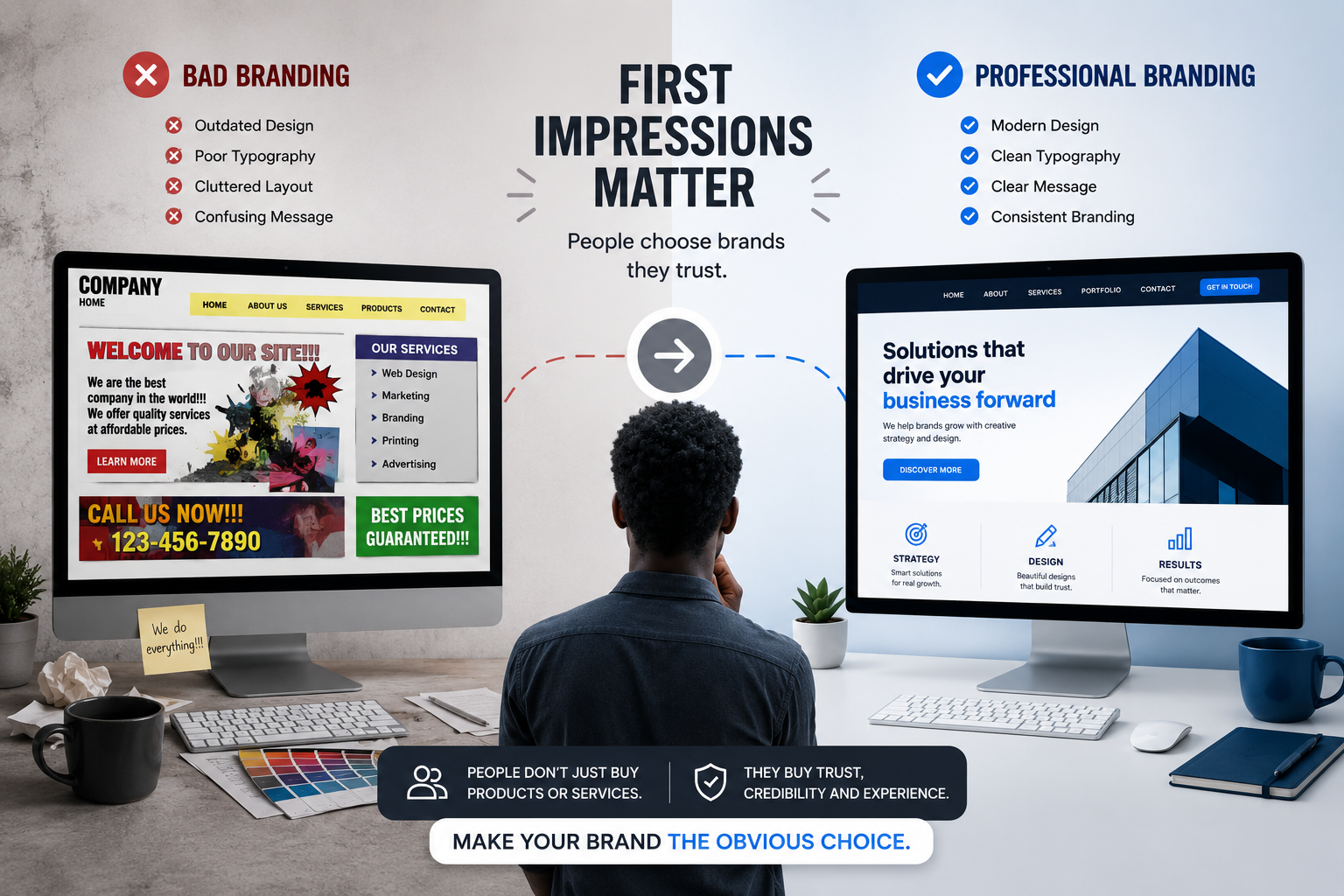
A professionally branded website signals that the company is organized, reliable, and invested in quality. Poor branding, on the other hand, can make a business appear outdated or untrustworthy.

Good branding should maintain consistency across:

  • Website design
  • Social media platforms
  • Email marketing
  • Digital advertisements
  • Packaging and promotional materials

When users repeatedly encounter the same visual identity, they begin to recognize and trust the brand more easily.

first impressions matter in strong branding

2. Consistent Visual Design Builds Professional Credibility

Consistency is one of the most important aspects of online branding. Businesses that use consistent colors, fonts, layouts, and messaging appear more stable and dependable.

For example:

  • A website using modern typography and clean layouts feels more trustworthy.
  • Consistent social media graphics create familiarity.
  • Matching brand visuals across digital channels reinforce identity recognition.

Graphic design plays a major role in building that trust. Professionally designed visuals communicate attention to detail and customer care.

Key branding design elements include:

  • Consistent typography
  • Balanced color schemes
  • High-quality graphics
  • Clear website navigation
  • Responsive web design

3. A Professional Website Increases Customer Confidence

A website is often the first interaction customers have with a business. If the website looks outdated, cluttered, or difficult to navigate, visitors may leave immediately.

Strong branding combined with professional web design helps users feel secure and comfortable while browsing online.

A trustworthy website should include:

  • Mobile-friendly responsive design
  • Fast loading speed
  • Secure HTTPS connection
  • Clear calls-to-action
  • Organized layouts
  • Professional imagery
  • Easy navigation

Modern web design improves both user experience and customer trust. Visitors are more likely to engage with brands that provide smooth and visually appealing digital experiences.

4. Branding Humanizes a Business

Customers trust businesses that feel authentic and relatable. Strong branding helps businesses develop a personality that emotionally connects with audiences.

This can be achieved through:

  • Storytelling
  • Brand voice
  • Company values
  • Behind-the-scenes content
  • Team introductions
  • Customer-focused messaging

People prefer doing business with brands that feel human rather than overly corporate. Emotional branding strengthens customer relationships and encourages long-term loyalty.

Brands that communicate clearly and honestly often build stronger online communities and customer engagement.

Branding Humanizes a Business

5. High-Quality Content Strengthens Authority

Content marketing is an essential part of digital branding. Businesses that regularly publish useful, informative, and professionally designed content position themselves as industry experts.

Examples include blog articles, infographics, video content, case studies, social media posts, and email newsletters.

Educational content helps solve customer problems while simultaneously building trust and authority.

A strong content strategy also improves SEO performance, helping businesses rank higher on search engines and attract organic traffic.

6. Social Proof Reinforces Brand Trust

Online customers often rely on the opinions of others before making purchasing decisions. Strong branding becomes even more effective when combined with social proof.

Social proof includes:

  • Customer testimonials
  • Reviews and ratings
  • Client success stories
  • User-generated content
  • Portfolio showcases
  • Case studies

When professionally presented through web design and graphic design, social proof increases credibility and reassures potential customers. Displaying testimonials strategically across landing pages and service pages can significantly improve trust and conversion rates.

7. Branding Improves Customer Recognition and Loyalty

Customers tend to trust brands they recognize repeatedly. Strong branding increases familiarity, and familiarity often leads to trust.

Consistent digital marketing campaigns help reinforce: brand colours, messaging, visual identity, company values, and brand voice.

Over time, customers begin associating the brand with reliability and professionalism.

Loyal customers are also more likely to:

  • Recommend the business
  • Share content online
  • Leave positive reviews
  • Make repeat purchases

This creates long-term digital growth and stronger online visibility.

8. Strong Branding Supports Digital Marketing Success

Digital marketing performs better when supported by clear branding. Whether running social media ads, SEO campaigns, or email marketing, branding improves campaign recognition and engagement.

Benefits of branding in digital marketing include:

  • Higher click-through rates
  • Better ad recognition
  • Improved customer retention
  • Increased conversion rates
  • Stronger audience targeting

When users consistently recognize a brand online, they feel more confident interacting with advertisements and marketing content.

Strong Branding Supports Digital Marketing Success

9. Security and Transparency Enhance Brand Trust

Customers expect businesses to protect their data and communicate transparently online. Strong branding includes visible trust signals that reassure users.

A secure and transparent website strengthens customer confidence and reduces hesitation during online interactions.

Strong branding plays a major role in helping businesses build customer trust, improve online visibility, and create long-term loyalty in today’s digital world. From professional website design and consistent graphic design to strategic digital marketing, businesses that invest in a strong brand identity are more likely to stand out and connect with their target audience.

In the competitive Kenyan digital landscape, especially for Nairobi-based businesses, maintaining a professional and recognizable online presence can significantly influence customer perception and business growth. By focusing on consistency, credibility, and customer experience, businesses can build stronger relationships and gain lasting trust online.

To get professional help and get the right services, you can email us at hello@rtsalvatore.net  or call us through 0707079107

Screenshot 2026-05-08 100552

Reasons why High-Quality Content is Important

In today’s world people scroll through ad’s, videos and social media posts everyday, resulting to brands competing for visibility and engagements. In this crowded environment only one thing has become more valuable and that is high- quality content.  The definition of “high-quality content” has shifted. It’s no longer just about flashy graphics, logos or attractive websites. It’s about authority, benefits, and emotional impact. Creating meaningful experiences that educate, inspire and connects with audiences.

What is high-quality content.

 This is a content that provides real value to the audience through a clear, informative and engaging way. It doesn’t only promote a product or service but it also help people solve problems, answer questions or learn something useful. For this the goal isn’t all about attracting the attention. It’s building trust and long-term relationships.

The content can be in terms of;

. Blogs

. Social media content

. video case study

. Podcasts

High- quality content vs traditional advertising

In 2026, we are living in a world where consumers have built high walls against interruption. Most people tend to ignore aggressive advertisement because they want helpful experiences. In traditional advertising like TV commercials, radio spots, billboard, and pop-up ads they rely on interruption. This makes you stop what you are doing to telling you what the brand sells. For high-quality content it is pull-based because users are actively searching for answers to their problems. When your brand provides the solution through a blog or video, you aren’t an intruder, you’re a helpful guest. Traditional advertising interrupts people, high-quality content attracts them naturally.

modern vs traditional advertising


High quality content improves visibility

In our current world, visibility is no longer a matter of who shouts the loudest, but who provides the most value. In today’s world businesses are competing not only for products and prices but also the information quality. Brands that create strong, educational content are more likely to attract more traffic and engagement than the one’s that don’t. For most brands they focus on SEO and AIO to provide valuable content to their audience. If their websites publish helpful and well-structured content they are more likely to appear on the search result. AI models like Gemini and Chat GPT don’t just look for keywords; they look for comprehensive answers. This means content not only build trust but also increase visibility. If your content is well-structured, your brand becomes the verified source that the AI recommends to the user. The more you help your audience solve their problems through content, the more the digital system will rank you at the top.


Quality content powers invisible salesperson

In the branding world, quality content is your company’s invisible salesperson. Before customers contact a business, they usually visit it’s website or social media pages first. Your website shouldn’t just exist. It should sell and educate visitors automatically. This is where your content becomes the invisible salesperson. For a traditional salesperson he has to wait for clients to inquire about something, high-quality content anticipates them. By the time a client reaches out for a discovery call, they have likely consumed 80% of their decision-making information online. An invisible salesperson is not just about attracting visitor’s it is about guiding them toward a conversation.


Quality is better than quantity

In branding world, quality content creates strong ,long- term effect. Many brands focus on producing large amount of content but quantity alone isn’t enough.  When a brand posts too often without providing value, it reduces the brand perception. When your brand produces fewer, better pieces of content, you aren’t just doing marketing you’re building trust around your brand.

In 2026 before you hit the post button ask yourself if your content passes these three stages:

: is it just summarizing what’s already out there or does it add a new perspective

: Does it serve your audience first or is it just trying to feed a schedule

: Is it SEO optimized and AI optimized?

high-quality content or high-quantity content

In a world where businesses are marketing their services, the brand on top are the one’s that provide great and genuine content. In the branding world high-quality content isn’t optional but one of the important assets in your brand. If you want to strengthen your brand and create content that connects with your audience, it’s time to invest in an effective content.

To get professional help and get the right services, you can email us at hello@rtsalvatore.net  or call us through 0707079107


 [S1]

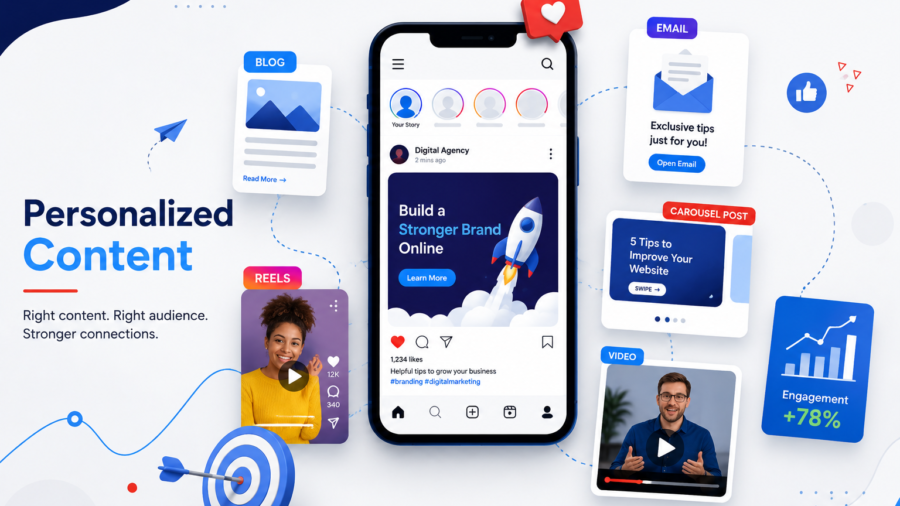
Personalised content

How to Target Niche Audiences Through Digital Marketing

Niche audiences are becoming the foundation of successful digital marketing in today’s competitive online environment. In the Kenyan digital landscape, many businesses are beginning to realise that broad marketing no longer delivers strong results. Modern consumers prefer personalised content, targeted messaging, and brands that directly address their interests, needs, and lifestyles. This is why businesses that focus on the right audience often achieve higher engagement, stronger customer trust, and better conversion rates.

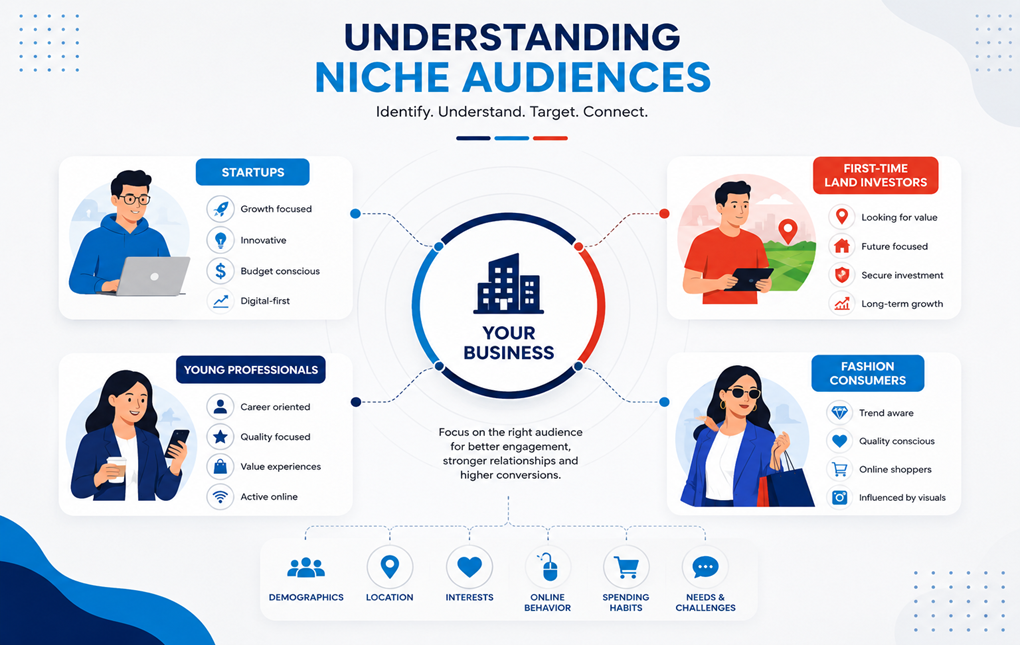
A niche audience refers to a specific group of people who share common characteristics such as interests, behaviours, location, occupation, or spending habits. Through digital marketing strategies such as SEO, social media marketing, branding, content creation, advertising, and web design, businesses can effectively reach their ideal audiences and build sustainable long-term growth.

Understanding Niche Audiences

A niche audience refers to a smaller, more specific segment of a larger market. Instead of targeting everyone, businesses focus on audiences that are more likely to be interested in their products or services.

Niche audiences are often defined by:

  • Interests
  • Age group
  • Location
  • Lifestyle
  • Occupation
  • Online behavior
  • Spending habits
  • Specific problems or needs

For example:

  • A digital agency may target startups seeking affordable branding solutions.
  • A real estate company may target first-time land investors.
  • A fashion brand may target young professionals interested in luxury wear.

Understanding niche audiences allows businesses to create more personalised marketing strategies that connect with audiences on a deeper level.

Understanding Niche Audiences

Why Targeting Niche Audiences Matters

Targeting niche audiences helps businesses market more effectively because their messaging becomes more focused and relevant. Instead of trying to appeal to everyone, businesses communicate directly with people who are most likely to engage with the brand.

One major advantage of niche marketing is higher engagement. Audiences are more likely to interact with content that feels relevant to their interests and needs. Personalised messaging creates stronger emotional connections and improves audience trust.

Targeting niche audiences also improves conversion rates. Businesses waste less time and money marketing to people who may not be interested in their services. Instead, they focus resources on audiences with higher purchasing potential.

Additionally, niche marketing helps businesses:

  • Build stronger brand identity
  • Increase customer loyalty
  • Improve audience retention
  • Reduce advertising waste
  • Establish authority within their industry

For example, a land-selling company targeting young professionals looking for affordable plots near developing urban areas is likely to achieve better results than a company using broad messaging aimed at everyone.

Understanding Your Target Audience

Before businesses can effectively target niche audiences, they must first understand who their ideal customers are. Audience research is one of the most important steps in digital marketing strategy because it helps businesses create content and campaigns that address specific customer needs.

Businesses should analyse:

  • Audience demographics
  • Interests and hobbies
  • Online behavior
  • Preferred social media platforms
  • Purchasing habits
  • Challenges and pain points
  • Goals and motivations

This information helps businesses create more targeted and personalised marketing campaigns.

Several tools can help businesses gather audience insights, including:

Understanding audience behaviour allows businesses to improve communication and deliver more valuable content to the right people.

Using Social Media Strategically

Social media platforms play a major role in niche audience targeting. Different audiences spend time on different platforms, which means businesses should focus on platforms where their ideal customers are most active.

For example:

  • LinkedIn is effective for professionals and B2B marketing.
  • Instagram works well for visual brands such as fashion, beauty, and lifestyle businesses.
  • TikTok attracts younger audiences interested in short-form video content.
  • Facebook is useful for community engagement and broader audience reach.

Businesses that understand platform behaviour can create more effective digital marketing strategies.

Consistency also matters in social media marketing. Brands that regularly post valuable content improve visibility, audience trust, and engagement over time. Social media algorithms often reward active and consistent accounts, increasing the chances of content reaching larger audiences.

To effectively target niche audiences on social media, businesses should:

  • Create valuable and relevant content
  • Use audience-specific messaging
  • Maintain consistent branding
  • Engage with followers regularly
  • Analyze performance metrics

Strategic social media management helps businesses build long-term relationships with their audiences while improving brand visibility online.

Creating Personalized Content

Personalised content is one of the most powerful ways to connect with niche audiences. Modern consumers prefer content that feels relevant to their interests, problems, and goals. Businesses that create audience-focused content are more likely to increase engagement and build trust.

Personalised content may include:

  • Educational blogs
  • Social media reels
  • Carousel posts
  • Infographics
  • Tutorials
  • Videos
  • Email campaigns

For example, a digital marketing agency targeting small businesses may create content explaining:

This type of content provides value while positioning the business as an expert within its niche.

Personalised content also improves audience retention because consumers are more likely to continue following brands that consistently address their interests and needs.

Creating Personalized Content

Importance of Branding in Niche Marketing

Branding plays a major role in helping businesses attract and retain niche audiences. Strong branding creates recognition, professionalism, and trust, which are essential in competitive digital spaces.

Businesses targeting niche audiences should maintain:

  • Consistent brand colors
  • Professional graphic design
  • Clear messaging
  • Consistent tone of voice
  • Professional web design

Strong branding helps businesses stand out while creating a memorable identity that audiences can easily recognise.

In digital marketing, branding and consistency work together to strengthen audience trust and improve long-term visibility. Businesses with poor branding often struggle to maintain audience attention because their messaging appears inconsistent or unprofessional.

Professional branding also increases perceived value, making audiences more likely to trust the business and engage with its services.

SEO and Niche Audiences

Search engine optimisation (SEO) is another important strategy for targeting niche audiences. SEO helps businesses appear in search engine results when users search for specific products, services, or information online.

Instead of targeting broad keywords, businesses targeting niche audiences should focus on more specific search terms.

For example:
Instead of using “real estate”,  a business may target “affordable land in Nairobi”

Specific keywords help businesses attract more relevant traffic from audiences already interested in their services.

SEO strategies may include:

  • Keyword optimization
  • Blogging
  • Website optimization
  • Mobile-friendly web design
  • Quality backlinks
  • Fast-loading websites

Businesses that consistently publish high-quality SEO content improve their visibility and increase opportunities for organic traffic growth.

SEO also supports long-term marketing success because optimised content can continue attracting traffic long after it has been published.

search engine optimisation visibility 2


Measuring Results and Improving Strategy

Successful niche marketing requires continuous analysis and improvement. Businesses should regularly monitor performance metrics to understand what is working and where improvements are needed.

Important metrics include:

  • Website traffic
  • Engagement rates
  • Conversion rates
  • Audience growth
  • Click-through rates
  • Social media performance

Analytics tools help businesses understand audience behaviour and improve future marketing strategies.

Businesses that analyse data consistently are able to:

  • Improve targeting
  • Create better content
  • Optimize campaigns
  • Increase engagement
  • Improve conversion rates

Digital marketing is constantly evolving, and businesses that adapt their strategies based on audience behaviour are more likely to achieve long-term success.

Targeting niche audiences through digital marketing allows businesses to create stronger customer relationships, improve engagement, and achieve more effective business growth. Instead of trying to market to everyone, businesses that focus on specific audiences create more personalised experiences that build trust and increase conversions.

Through strategic branding, social media marketing, SEO, content creation, and audience research, businesses can position themselves more effectively within competitive digital spaces.

In today’s modern digital world, understanding your audience is no longer optional. Businesses that successfully identify and target niche audiences are more likely to build sustainable visibility, stronger brand authority, and long-term business success.

To get professional help and get the right services, you can email us at hello@rtsalvatore.net or call us through 0707079107

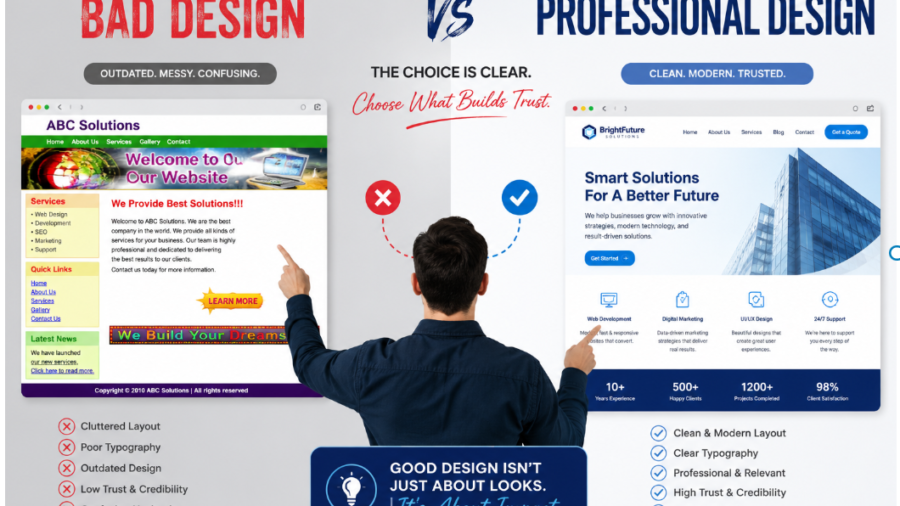
bad deisgn vs professional design

8 Powerful Ways Professional Web Design Builds Customer Trust

Professional web design is often the first impression customers have of a business in today’s digital world. Before purchasing a product, booking a service, or making an inquiry, most people visit a company’s website first. In the Kenyan digital landscape, businesses with slow, outdated, or poorly designed websites risk losing potential customers within seconds.

A clean, modern, and user-friendly website helps businesses build trust, improve customer experience, and strengthen their online presence. For Nairobi-based businesses and growing brands, professional web design is no longer just about appearance. It has become an essential part of branding, digital marketing, customer engagement, and long-term business growth.

What is Professional Web Design?

Professional web design refers to the process of creating websites that are visually appealing, functional, user-friendly, and strategically designed to support business goals.

It involves more than colors, images, and layouts. Professional web design also includes user experience, mobile responsiveness, website speed, navigation structure, branding consistency, and SEO optimisation.

A professional website combines design, functionality, and strategy to create a positive user experience that builds trust and supports business growth.

1. First Impressions Influence Customer Trust

First impressions matter significantly in the digital space. When users visit a website, they immediately evaluate whether the business appears credible and professional.

An outdated or poorly designed website may create the impression that:

  • The business is unreliable
  • The company is inactive
  • Services may not be trustworthy
  • Customer experience is not a priority

On the other hand, a clean and modern website design communicates professionalism and attention to detail. Consumers often associate the quality of a website with the quality of the business itself. This means businesses with organised layouts, modern visuals, and professional branding are more likely to gain customer confidence.

First Impressions build customer trust


2. Mobile-Friendly Design Improves User Experience

Today, a large percentage of internet users browse websites through smartphones and tablets. Businesses that fail to optimise their websites for mobile users risk losing potential customers.

A professional mobile-friendly website:

  • Adjusts properly to different screen sizes
  • Improves readability
  • Enhances navigation
  • Creates a smoother browsing experience

Poor mobile experiences often frustrate users and increase bounce rates. If visitors struggle to navigate through a website on their phones, they are less likely to trust the business or continue engaging with its content. Responsive web design helps businesses provide a consistent and professional experience across all devices.

3. Consistent Branding Creates Recognition and Credibility

Professional web design plays a major role in strengthening brand identity. Consistency across a website helps businesses appear organised, memorable, and trustworthy.

Brand consistency includes:

  • Consistent colors
  • Typography
  • Logo placement
  • Messaging tone
  • Visual identity

When branding remains consistent across webpages and social media platforms, customers are more likely to recognise and trust the business.

Inconsistent branding can create confusion and reduce professionalism. A professionally designed website ensures all visual and communication elements work together to create a strong and recognisable brand image.

Brand Consistency in Professional web Design


4. Website Speed Affects Credibility

Website speed is another important factor that influences customer trust. Modern internet users expect websites to load quickly and function efficiently.

Slow websites often appear:

  • Outdated
  • Unprofessional
  • Unreliable

Long loading times can frustrate visitors and cause them to leave before exploring the business further.

Professional web design focuses on optimising website performance to improve:

  • Loading speed
  • User experience
  • Engagement
  • Search engine visibility

Fast-loading websites create smoother interactions that encourage users to stay longer and engage more with the brand.

5. Clear Navigation Builds Customer Confidence

A professional website should be easy to navigate. Visitors should quickly find the information they need without confusion or frustration.

Clear navigation helps users:

  • Understand services
  • Explore products
  • Contact the business
  • Access important information easily

Complicated website structures can discourage visitors and reduce trust. Businesses that organize their content clearly appear more professional and customer-focused. Simple menus, structured layouts, and strategic page organisation improve usability and create a more positive customer experience.

6. Professional Web Design Supports Conversions

One of the biggest benefits of professional web design is its ability to improve conversions. When customers trust a website, they are more likely to:

  • Make purchases
  • Submit inquiries
  • Book services
  • Subscribe to newsletters
  • Contact the business

Professional websites guide users toward these actions naturally through:

  • Clear call-to-action buttons
  • Organized layouts
  • Strategic design structure
  • User-friendly interfaces

Trust plays a major role in conversion decisions. Businesses with professional websites often experience higher engagement and better conversion rates because customers feel more confident interacting with the brand.

7. SEO and Web Design Work Together

Search engine optimisation (SEO) and web design are closely connected. A professionally designed website helps businesses improve their online visibility and search engine rankings.

Professional web design supports SEO through:

  • Mobile responsiveness
  • Fast loading speeds
  • Clean website structure
  • Optimized content layouts
  • Improved user experience

Search engines prioritise websites that provide good user experiences. This means businesses with professionally designed websites are more likely to rank higher on search engines such as Google.

Higher visibility leads to:

  • Increased website traffic
  • Better brand awareness
  • More business opportunities

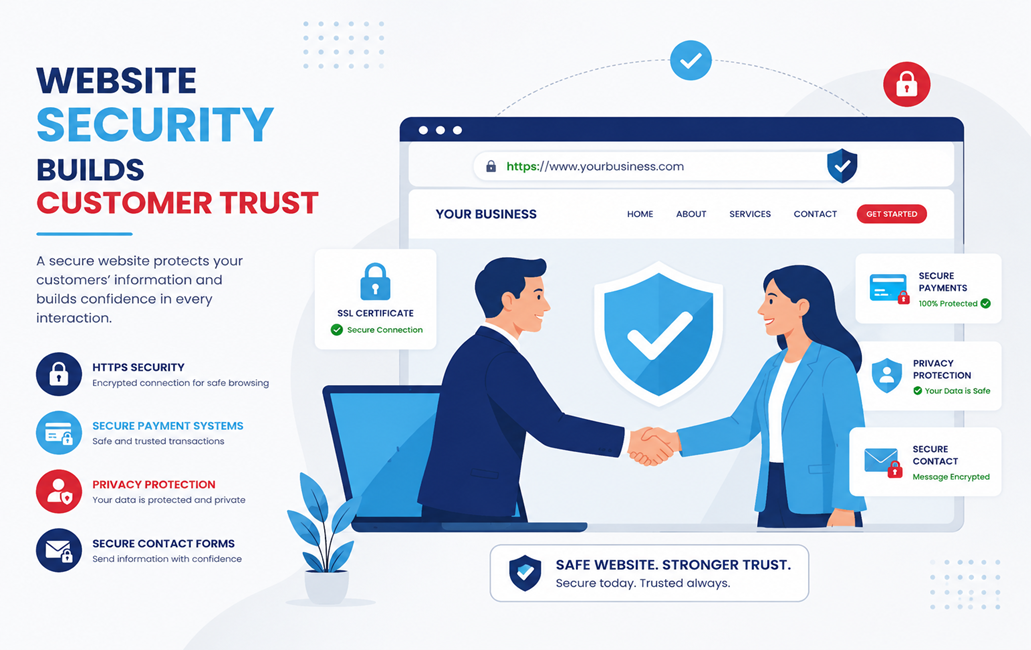
8. Website Security Increases Customer Trust

Modern consumers are increasingly concerned about online security and privacy. Businesses that invest in secure websites build greater confidence among their customers.

Professional websites often include:

  • HTTPS security
  • Secure payment systems
  • Privacy protection
  • Secure contact forms

Security reassures users that their information is protected while interacting with the business online. A secure website not only protects users but also strengthens the brand’s reputation and credibility.

Website Security Increases Customer Trust

Challenges Businesses Face with Poor Web Design

Businesses with poorly designed websites often struggle with:

  • High bounce rates
  • Low engagement
  • Weak conversions
  • Poor credibility
  • Inconsistent branding

Even strong products or services may fail to attract customers if the website experience appears outdated or unprofessional. In today’s competitive digital environment, businesses without professional websites risk losing potential customers to competitors with stronger online presence.

Professional web design is far more than visual appearance. It is a strategic tool that helps businesses build customer trust, strengthen branding, improve user experience, and increase conversions.

A professionally designed website communicates credibility, professionalism, and reliability while creating a positive experience for visitors. From mobile responsiveness and website speed to branding consistency and SEO performance, every aspect of web design contributes to how customers perceive a business online.

As digital competition continues to grow, businesses that invest in professional web design position themselves for stronger visibility, improved customer trust, and long-term business growth.

To get professional help and get the right services, you can email us at hello@rtsalvatore.net  or call us through 0707079107

organic growth

Digital Marketing: Benefits of Organic Growth in a Business

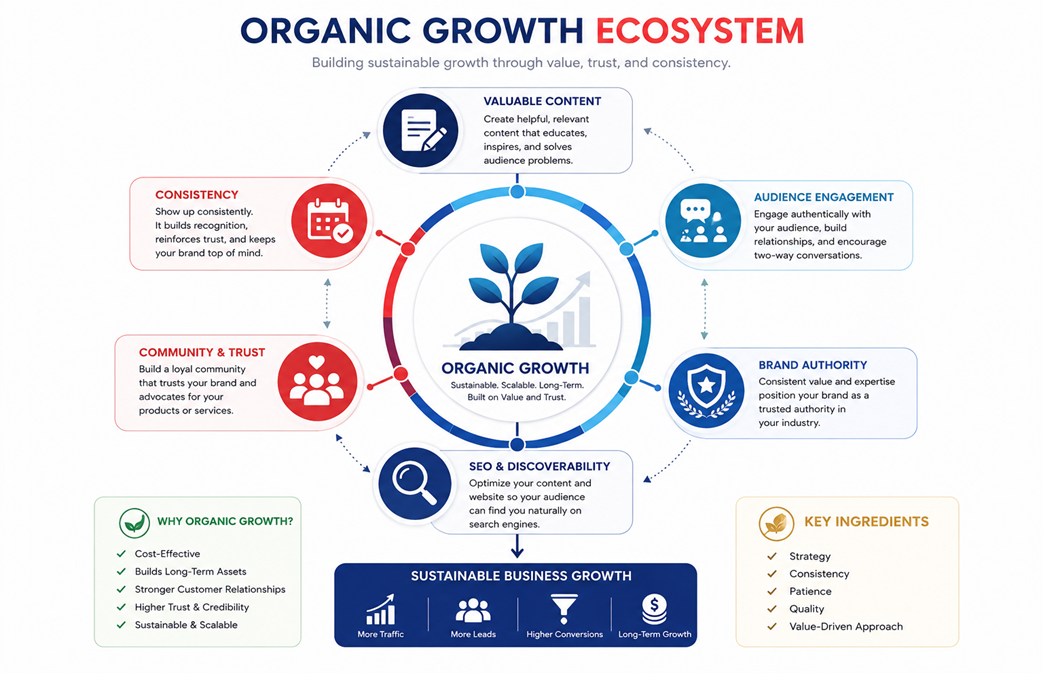
Organic growth refers to the process of growing a business naturally through consistent branding, valuable content, customer engagement, search engine optimisation (SEO), and strong digital presence rather than relying entirely on paid promotions. It focuses on building authentic relationships with audiences over time, creating trust and credibility that lead to long-term business growth.

In today’s competitive digital world, businesses are constantly searching for effective ways to grow their brand, attract customers, and increase sales. While paid advertising offers quick visibility, organic growth remains one of the most powerful long-term strategies for sustainable business success.

For modern businesses, organic growth is no longer optional instead, it is an essential part of a successful digital marketing strategy.

Builds Long-Term Brand Credibility

One of the biggest advantages of organic growth is the trust it builds between a business and its audience. Today’s consumers are more likely to engage with brands that regularly offer helpful content, participate in meaningful conversations, and present themselves in a professional manner online.

Through regular social media content, SEO-optimised blogs, professional branding and audience engagement, companies can build their reputation as reliable and knowledgeable within their industry. Organic content, on the other hand, establishes authentic relationships that increase customer confidence and brand loyalty, whereas paid ads can sometimes feel promotional or forced.

Brand Credibility

Cost-Effective Marketing Strategy

Growing organically is one of the most effective ways to market a business. It takes time, planning and consistency, but it allows businesses to drive traffic and engagement without continually spending large sums of money on advertising.

Organic marketing is particularly useful for small and medium-sized businesses because it allows them to compete with larger brands by:

• Strong content strategy

• Brand consistency

• Good graphic design.

• Audience engagement rather than relying solely on big advertising budgets.

Organic growth takes longer to pay off, but the long-term return on investment is often more sustainable.

Improves Search Engine Visibility

Most organic growth is from SEO (search engine optimisation). Publishing high-quality, relevant content regularly increases a company’s chances of showing up on search engines like Google.

This is good for companies:

• Increase Website Traffic

• Reach new audiences

• Enhance online visibility

• Generate leads for future growth

Unlike paid ads, which stop driving traffic once the campaign is over, SEO content can drive traffic for months or years after it’s published.

This is why blogs, search engine-optimised websites, and strategic use of keywords are still valuable assets in digital marketing. This is why blogs, optimised websites, and strategic keyword usage remain valuable assets in digital marketing.

Search Engine Drives

Creates Stronger Customer Relationships

Organic growth is very much about engagement and community building. Firms that engage in regular dialogue with their audiences through comments, content and conversations on social media tend to build stronger emotional connections with their customers. These relationships often lead to:

  • Increased customer loyalty
  • Higher engagement rates
  • Return customers
  • Word of mouth marketing

If customers build a relationship with a brand, it is more likely they will trust its products or services and recommend it to others.

 Strengthens Brand Identity

Consistency is a big part of successful organic growth. Creating content on a regular basis and having a clear visual identity helps reinforce the overall image of your brand.

This means:

• Consistent color and design

• Clear messaging for brands

• Experienced web design

• Developed social media presence

Good branding makes companies easier to remember and helps them to stand out from the crowd online. Branding and organic growth go together to build long-term recognition and trust, both for agencies and businesses.

Supports Sustainable Business Growth

Organic growth, rather than short-term advertising campaigns, creates digital assets that have a long shelf life and continue to help the business grow over time.

Examples:

• Blog articles

• Content for social media

• SEO- Rankings

• Traffic to the website

• Brand trustworthiness

These assets continue to generate visibility and engagement for a long time after they are created. Organic growth also sets up a strong foundation for future paid advertising. Brands with a loyal audience, a clear brand identity, and engaging content tend to do better in advertising. The audience already trusts and knows the brand. 

Organic Growth Ecosystem

Challenges of Organic Growth

Organic growth has many benefits, but it also has its challenges. Businesses may have problems with:

• Slow results at the beginning

• Content saturation

• Change of algorithm

Organic growth is one of the best long-term investments a business can make. Businesses generate sustainable visibility and trust which advertising alone cannot achieve through authentic engagement, branding, content, SEO and customer relationships.
Paid ads will help boost growth in the short term but organic growth is what builds the solid base for long-term business success. Businesses that invest in both are positioning themselves for a stronger digital presence, increased credibility and long-term profitability in the modern digital world.

To get professional help and get the right services, you can email us at hello@rtsalvatore.net  or call us through 0707079107

image

The Powerful Impact of Consistency in Social Media Growth

Creativity is often the only thing that matters in the fast-paced world of social media. The conversation is mostly about viral content, popular ideas, and eye-catching images. However, consistency is what really makes a digital brand successful, even if it isn’t as exciting.
In most businesses, consistency isn’t just a habit, it’s a strategic tool that helps grow in branding, digital marketing, and advertising in ways that can be measured.

 6 Reasons Why Consistency Beats Creativity

1. Consistency Builds Strong Brand Identity

Consistency reinforces brand recognition. When businesses maintain a uniform tone, visual style, and message, they become more memorable in the minds of consumers.

Through branding and graphic design, consistent content helps:

  • Strengthens Brand identity

Consistent colours, typography, logos, design styles and messaging create a clear brand personality. Over time, the audience starts to link certain visuals and modes of communication with the business. For instance, when a business maintains the same brand colours, logo placement and tone of communication across social media, websites and advertisements, it makes it easier for customers to instantly recognise the brand.

  • Improve Marketing Effectiveness

Consistent branding also makes digital marketing and advertising campaigns more effective. Consumers are more likely to remember and respond to marketing when they see the same message and visual identity across multiple platforms.

This creates a unified customer experience across social media, websites, ads, etc. It also helps businesses to build trust with their customers and increase their overall brand awareness.

 2. Algorithms Reward Active and Consistent Accounts

Social media platforms are designed in such a way that it prioritizes accounts that post regularly. Consistency shows activity and dependability, thus increasing visibility.

From a digital marketing point of view, this means:

  • More reach
  • Higher rates of engagement
  • More ways to find it

For example, social media platforms such as Instagram, TikTok and Facebook are designed to give priority to active accounts that post engaging content on a regular basis. When businesses go on a break for weeks, the reach and engagement tend to drop as the algorithm believes the audience is no longer interested. 

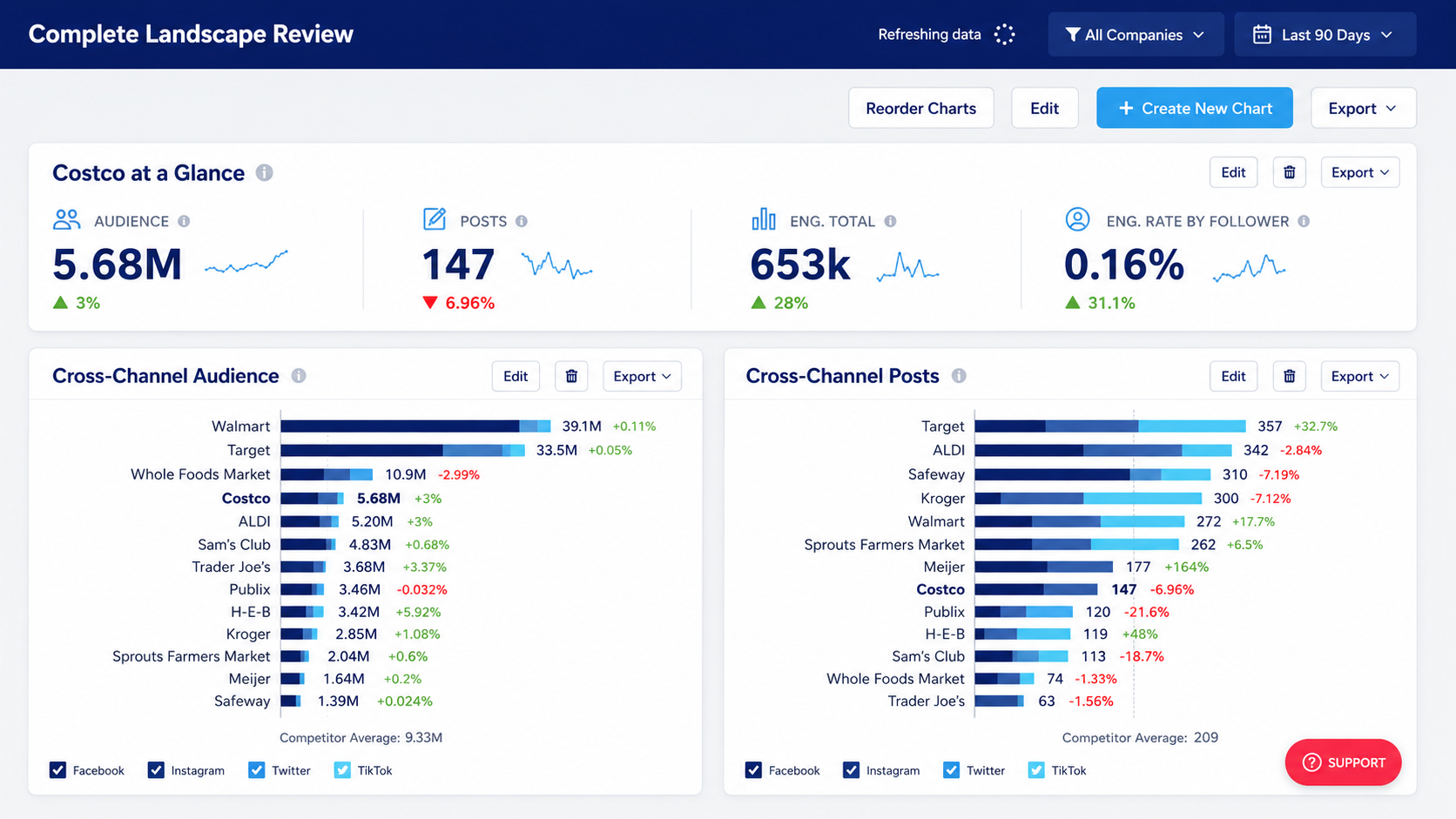
Landscape Review

3. Keeps Your Brand in Mind

In a crowded digital world, being seen is the most important thing thus consistent posting ensures that your brand remains relevant in the minds of consumers.

Through digital marketing and branding, regular exposure:

  • Increases chances of conversion

Consumers rarely make buying decisions after seeing a business only once. Most customers will interact with a brand several times before they decide to take action. Consistent posting increases the number of opportunities businesses have to educate, engage, and persuade potential customers.

The more audiences see a brand through valuable content and consistent messaging, the higher the chances of website visits increasing. product enquiries, engagement, and sales conversion.

This is why consistency is a huge factor for organic growth and long-term digital marketing success.

4. More Content Increases Growth Opportunities

Not every post will go viral, but posting regularly makes it more likely that one will.

In advertising and content strategy, volume is important because:

  • More content means more data.
  • More information means better optimisation.
  • Better optimisation leads to better results.

A brand that only posts once every two weeks has fewer chances to see how their audience is behaving than a business that consistently posts multiple times a week. Regular posting gives businesses the opportunity to experiment with new content formats, see what works best and adjust their marketing strategy over time.

 5. Improves Content Quality Over Time

Consistency creates room for improvement this is whereby the more a brand posts, the better it understands what works.

Thus with continuous effort:

  • Messaging becomes clearer
  • Design improves
  • Audience preferences become evident
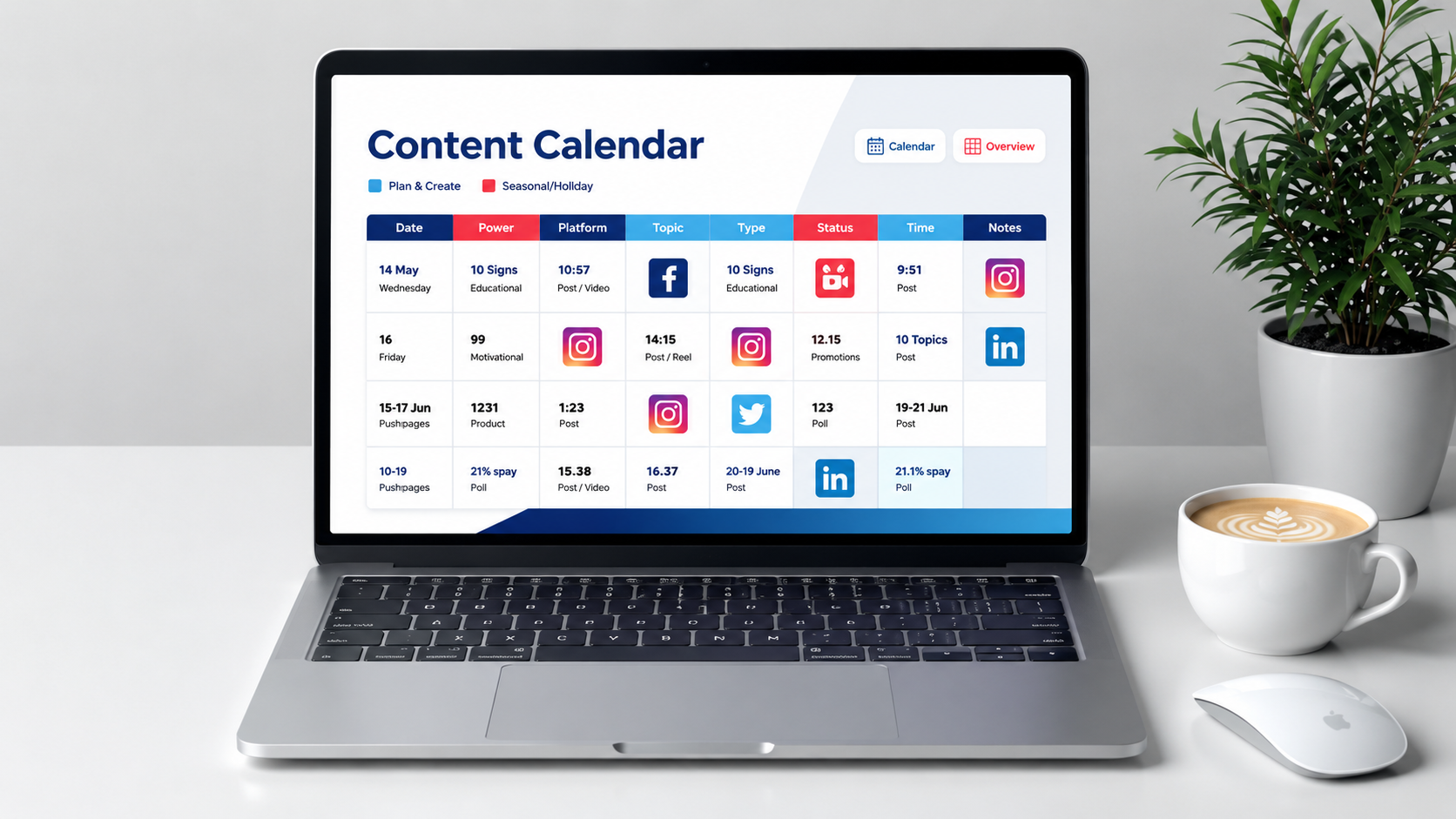
Content Calendar

Over time, a business learns what kinds of designs, captions, posting times and content formats get the most engagement. This allows brands to make improvements with data to improve their overall digital marketing strategy.

6. Consistency Supports Long-Term Business Growth

Consistency allows businesses to build structured marketing systems that continuously attract, engage and convert audiences over time. In digital marketing, growth rarely comes from a single viral post or one successful advertisement. Instead, long-term success is usually a result of doing the same things over and over again across multiple digital platforms. Thus when aligned with web design and conversion strategies, consistent traffic leads to:

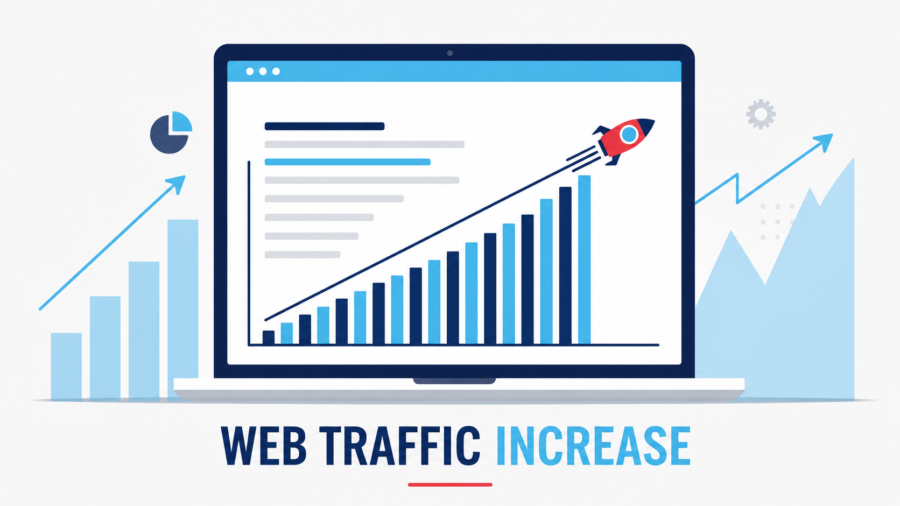
  • More website visits

When businesses regularly publish content, update their websites, optimize SEO, and engage with audiences, they build a consistent flow of traffic and engagement. Consistency helps online visibility and keeps the brand active in search engine and social media algorithms.

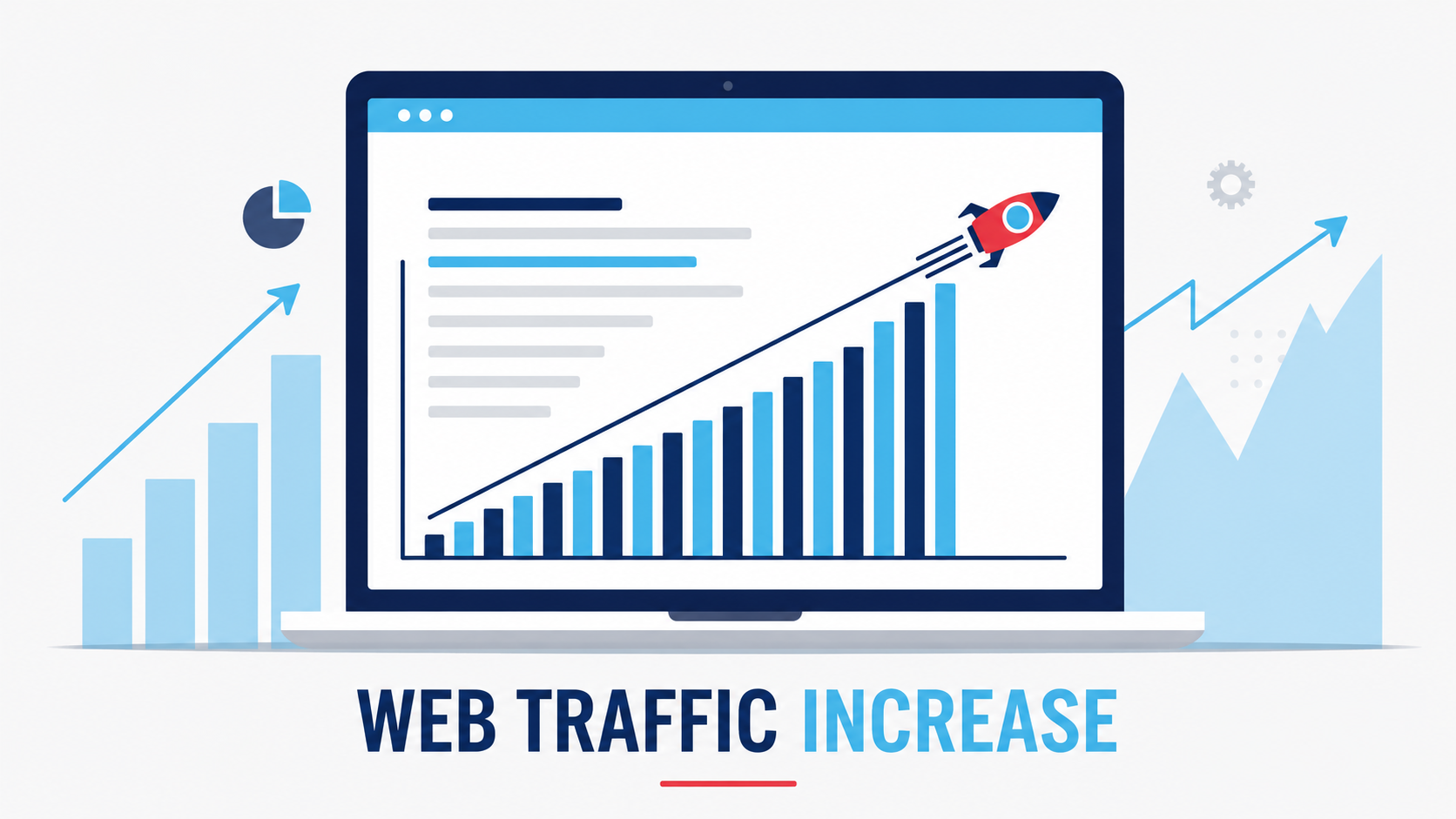
Web Traffic

While creativity can capture attention, consistency sustains growth. Businesses that commit to showing up regularly, refining their message, and maintaining a cohesive brand presence are the ones that succeed in the end.

To get professional help and get the right services, you can email us at hello@rtsalvatore.net or call us through 0707079107

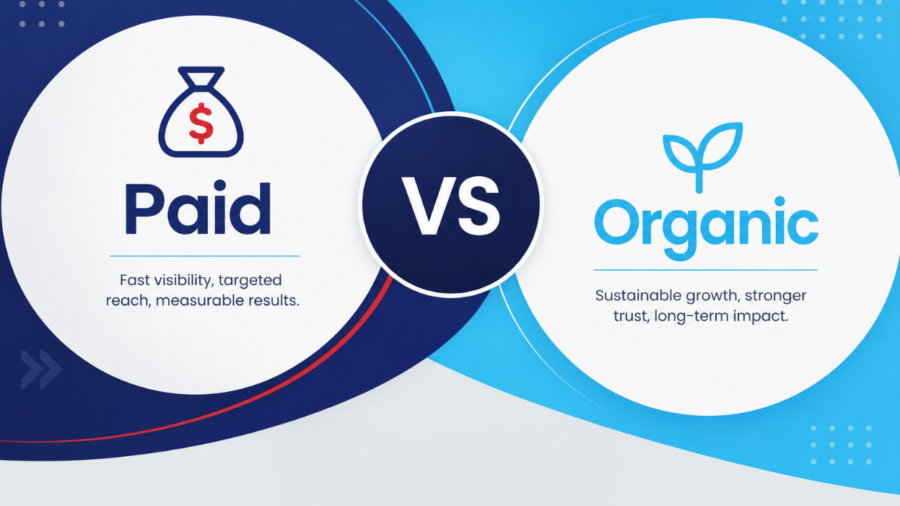
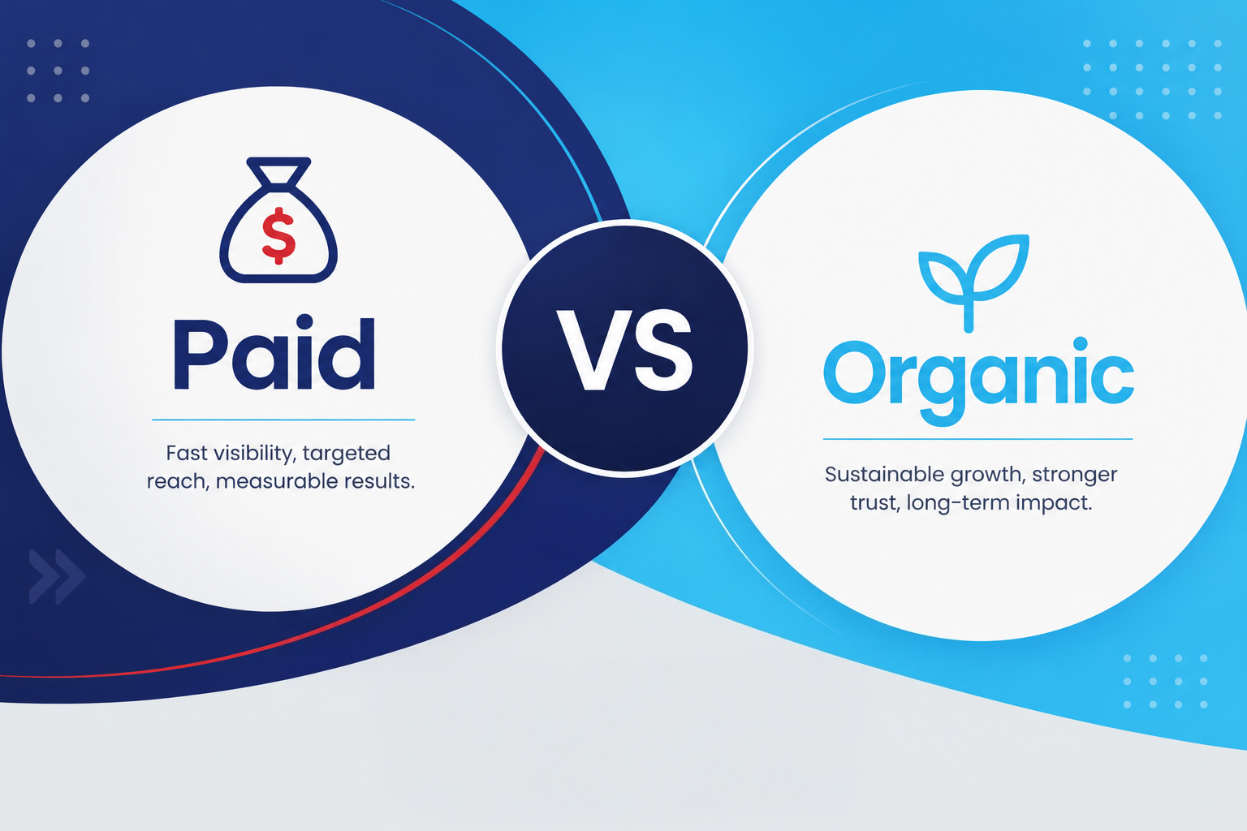
Paid and Organic Growth

The Best Digital Marketing Strategy: Paid Ads vs Organic Growth

Businesses today have to make a tough choice all the time: should they spend money on ads to get quick results, or should they focus on organic growth to make sure their business lasts? Both strategies are important for modern marketing, but picking the right digital marketing strategy to start with can have a big effect on how a brand grows.

In business, the answer isn’t to pick one over the other; it’s to figure out how each one fits into a bigger digital strategy.

Digital Marketing Strategy

A digital marketing strategy is a structured plan that businesses use to promote their products or services online in order to achieve specific goals such as increasing brand awareness, generating leads, driving website traffic, or boosting sales. It entails strategically utilising digital platforms and tools to deliver the right message at the right time to the right audience. 

Random posting or occasional advertising isn’t the way to go. A digital marketing strategy will give you direction and consistency. It helps companies to understand:

  • Who their target audience is
  • Which platforms they should focus on
  • What kind of content they should produce
  • How to communicate their brand on the internet
  • How to measure performance and improve results over time 

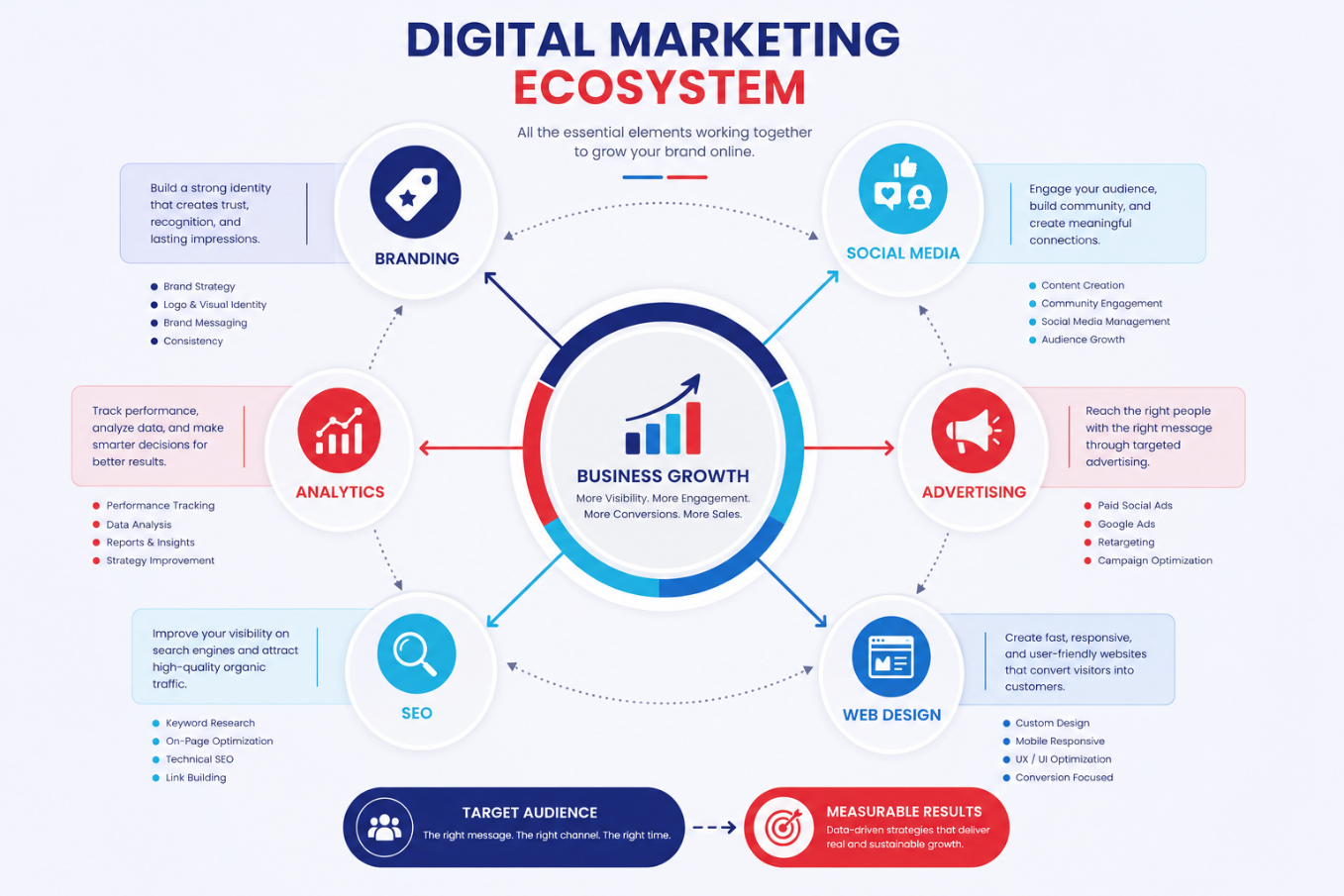
Digital marketing strategy in business is the link that binds branding, advertising, graphic design and web design into one system that moves business growth. 

Digital Marketing Ecosystem

Why Digital Marketing Strategy Matters 

In today’s digital world, having a website or social media accounts is not sufficient. A business needs a clear plan to be noticed, to stand out, and to convert audiences to customers. 

A good digital marketing strategy assists businesses:

  • Increase brand recognition 
  • Focus on niche audiences 
  • Boost engagement and trust
  • Create quality leads. 
  • Retain customers longer
  • Achieve measurable growth

Businesses that lack a strategy often create inconsistent content, run ineffective ads, or spend money on platforms that don’t work.

Challenges Businesses Face in the Modern Digital World

1. Too Much Content

It is hard for brands to stand out, with millions of posts uploaded every day. That’s why good branding, consistency and quality design are more important than ever.

2. Constant Algorithm Changes

Social media algorithms are constantly changing, which can affect visibility and engagement. This means brands are compelled to:

  • Regularly adapt strategies
  • Use another platform
  • Join organic and paid efforts

3. Increased Competition

Almost every business is online today. Therefore, a business without clear branding, professional design, and strategic marketing is at risk of becoming invisible.

4. Consumer Trust Issues

Modern consumers are more cautious due to scams, misinformation, and fake advertising.

This is why a professional web design, authentic branding, and consistent communication are essential for credibility.

Organic growth understanding

Organic growth is the basis of digital marketing. That means you post content regularly, brand yourself, and engage with people on all your platforms so that people organically follow you. Such practices includes:

  • Making content for social media
  • SEO, or search engine optimization
  • Telling stories about a brand
  • Making content for websites

Branding and digital marketing in organic growth helps businesses to:

  • Build trust with their audience
  • Establish authority in their niche
  • Create long-term relationships

However, organic growth takes time. Without strong graphic design and consistent messaging, content may fail to stand out, slowing progress.

Paid and Organic Growth in Digital Marketing Strategy

Understanding Paid Advertising

The advantage of paid advertisement is that it creates instant visibility/exposure to the target audience through services such as Google AdSense and social media advertising.

From an advertising and web design point of view, paid ads helps to:

  • Drives immediate traffic
  • Quick lead generation
  • Create brand awareness

However, paid ads rely heavily on the following:

  • Budgeting
  • Strong creative (design & copywriting)
  • Web Design Successful Landing Pages

Without proper branding and a well-designed website, paid traffic may not always lead to conversions.

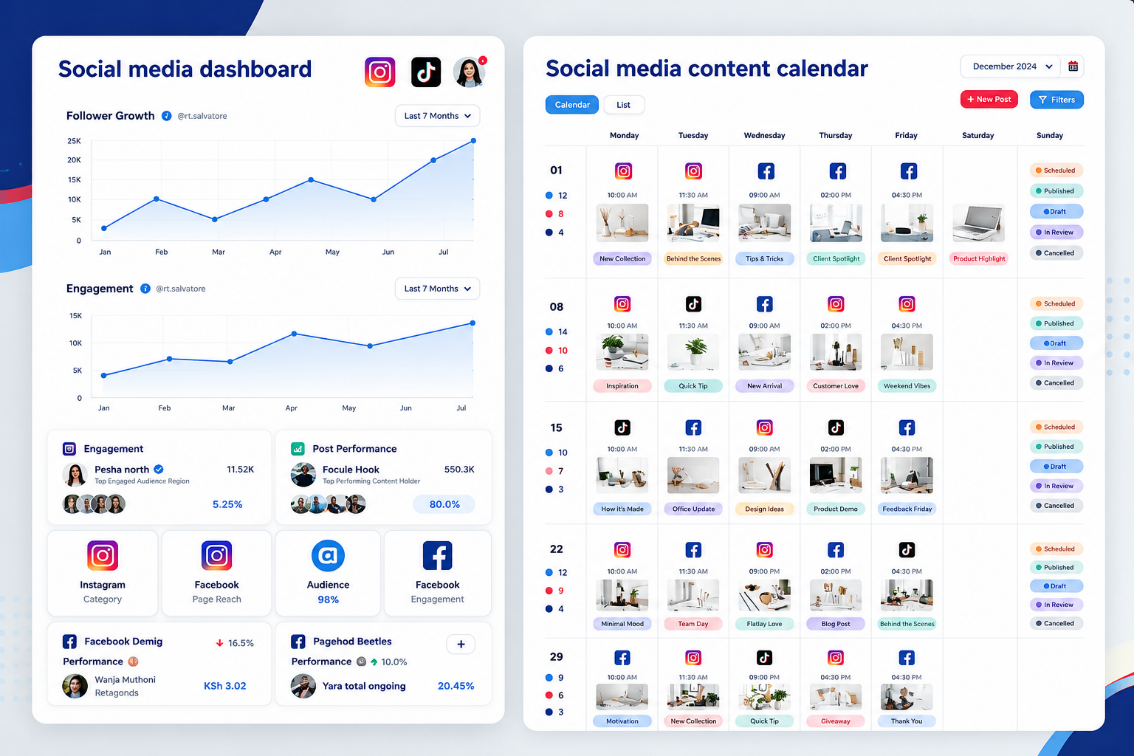
Social Media Content Calendar and Dashboard

Key Factors to Consider

Before deciding where to focus, businesses should consider the following:

  • Budget: You’ll need to continue paying for paid ads
  • Business Stage: New brands can benefit from building organic presence first.
  • Goals/  Objectives: Short term sales vs. long term brand growth
  • Branding: A good business with good branding will improve organic and paid performance.

A major factor in whether a company opts for paid advertising or organic growth is how much money they have to spend. While many companies believe that spending more money automatically guarantees better results, digital marketing performance often depends more on strategy, branding, content quality, and understanding the audience than on budget size alone.

For example, think of two fashion businesses launching online campaigns:

  • Company A invests KSh 70,000 into paid social media ads over one month.
  • Company B invests only KSh 10,000 but focuses heavily on organic growth strategies such as consistent posting, engaging reels, audience interaction, and strong branding.

Company A appears to have the advantage because of its larger advertising budget. However, results may tell a different story. Whereby company B could generate higher engagement rates, more conversions, more profile visits, and increased website traffic, despite spending less money, 

Why?

Because their audience already connects with the brand organically. Their content feels authentic, their branding is consistent, and their followers are actively engaged. When they finally boost a few posts using their smaller budget, the ads perform more effectively because a strong foundation already exists. 

Meanwhile, Company A may struggle despite the larger budget if their branding is weak, their website is poorly designed, their content lacks consistency, and their ads target the wrong audience.

In such cases, businesses end up paying for visibility without building genuine customer relationships.

So, What Should Come First?

For most businesses, the best approach is to start with organic growth.

Why?

Because:

  • It establishes a good brand foundation
  • It generates content that can be leveraged later on for further marketing efforts
  • It builds up your reputation without relying on ads

Once a solid presence is established, paid advertising can then be used to speed up results. 

The Power of Integration

A combination of the two approaches is actually the best solution.

  • Branding helps achieve consistency and awareness.  
  •  Graphic design makes the content visually appealing.
  • Digital marketing increases engagement.  
  •  Advertising accelerates the process. 
  •  A good web design will ensure conversions.
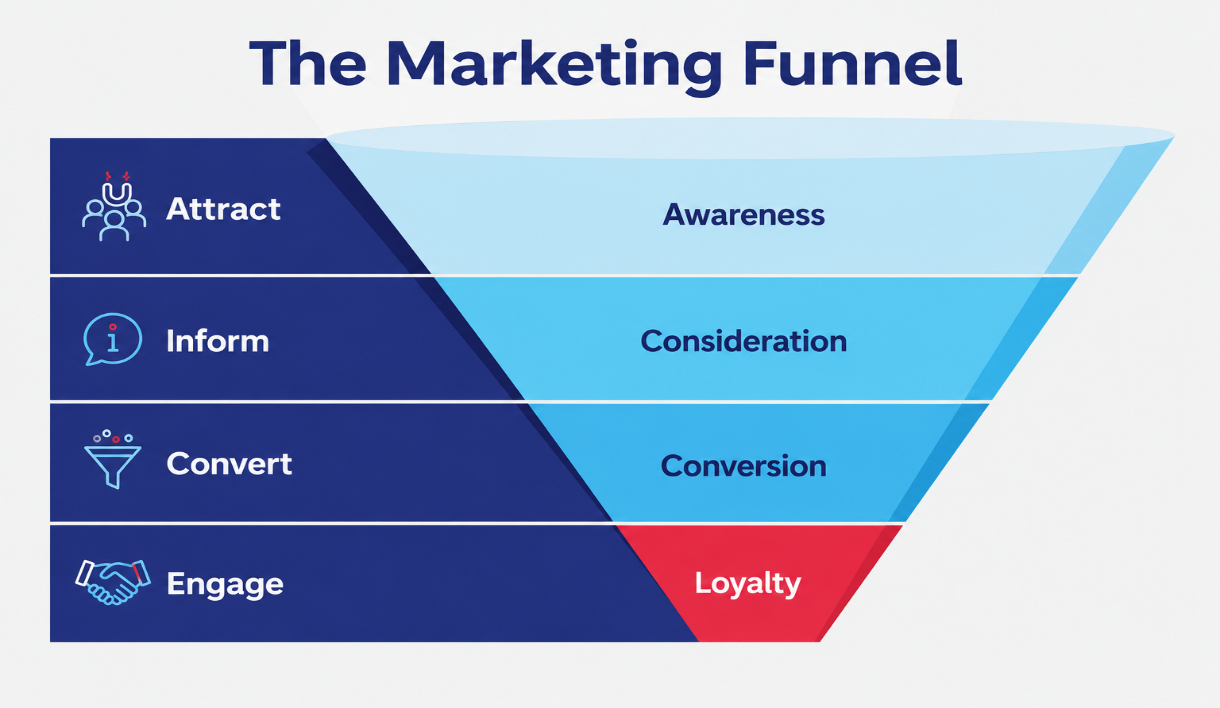
The Marketing Funnel

Organic growth and paid advertising are not competitors, they complement each other. Businesses that use them effectively and at the right time can thrive and grow sustainably in a highly competitive digital world. Having a clear digital marketing strategy is one of the most important steps toward growing a successful business.

To get professional help and get the right services, you can email us at hello@rtsalvatore.net or call us through 0707079107